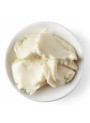
Stability of SureCream™ at 1% Usage with 21% Oil/Silicone Phase
Question
For a formula containing a 21% solvent phase (oils and silicones), will SureCream™ (Non-Ionic Cream Maker, product ID 32593, Cosmetics grade) provide long-term stability when used at its minimum 1% concentration?
Answer
Based on the technical specifications for SureCream™ (Non-Ionic Cream Maker), here is an evaluation of your formula's stability:
1. Emulsifying Capability
Yes, SureCream™ is designed to be highly efficient. At a 1% usage rate, it is capable of emulsifying a 21% oil/silicone phase. The manufacturer indicates that 1% is sufficient for oil phases ranging from 20% to 40%.
2. Long-Term Stability Considerations
While 1% can technically bond the oil and water, "long-term stability" depends on several factors:
- Viscosity: At only 1% emulsifier and 21% oil, the resulting texture will likely be a thin lotion rather than a thick cream. Thin emulsions are more prone to "creaming" (oil droplets rising to the top) over time.
- Recommended Rate: The manufacturer generally recommends 2% for most standard formulations to ensure a more robust emulsion shield around the oil droplets.
- Stabilizers: To ensure long-term stability at a low 1% emulsifier rate, it is highly recommended to add a water-phase thickener (such as Xanthan Gum or a Carbomer) or oil-phase thickeners (such as Cetyl Alcohol or Stearic Acid) to increase the viscosity and prevent droplet migration.
3. Key Processing Requirements
To achieve a stable emulsion with SureCream™, you must follow these steps:
- Heat: Both the water phase and the oil phase (containing the SureCream™) must be heated to 80°C before mixing.
- Mixing: Combine the phases while hot and stir/homogenize thoroughly until the mixture cools down.
Summary: 1% is functional for 21% oil, but for the best long-term shelf life and a professional texture, increasing the usage to 2% or adding a stabilizing thickener is advised.