Stable Selenium Sulfide Shampoo Formulation Guide
Question
The user is seeking a guide for formulating a stable shampoo containing Selenium Sulfide, as they have encountered stability issues with their current formulation. The specific problems observed are:
- The color of the Selenium Sulfide changes to black.
- The formula separates (both at Room Temperature and in Oven tests).
They are looking for a formulation guide or recommendations to address these issues and achieve good stability.
Answer
Guide to Stable Selenium Sulfide Shampoo Formulations
It sounds like you're encountering common stability challenges when formulating shampoo with Selenium Sulfide, specifically color change and separation. These issues can often be addressed by carefully selecting ingredients and following specific formulation guidelines.
Based on the properties of Selenium Sulfide, here are some key points and recommendations to help improve the stability of your shampoo formula:
Addressing Color Change (Turning Black)
Selenium Sulfide can react with certain ingredients, leading to discoloration. To prevent your formula from turning black:
- Avoid Chelating Agents with Iron: Specifically, avoid using EDTA complexes that contain iron (EDTA Fe complexes). Iron contamination can cause the Selenium Sulfide to darken.
- Avoid Strong Oxidisers: Do not include strong oxidising agents in your formulation, as they can also contribute to the degradation and color change of Selenium Sulfide.
Addressing Formula Separation
Selenium Sulfide is insoluble in water, so maintaining a stable suspension is crucial to prevent separation. Consider using effective suspending agents:
- Recommended Suspending Agents: Incorporate ingredients like Magnesium Aluminum Silicate, Hydroxypropyl Methylcellulose, or Xanthan Gum into your formula at a concentration of 1-2% to help keep the Selenium Sulfide particles evenly dispersed.
- Check Stability: After formulating, it is important to test the stability of your product, including storage tests at different temperatures (like 40°C for 4 weeks) to ensure the suspension remains stable over time.
General Formulation Tips for Stability
- pH Control: Maintain the final pH of your shampoo between 4.5 and 6.0. This pH range is critical for the stability of Selenium Sulfide.
- Mixing Temperature: When adding heat-sensitive ingredients like fragrance and dyes, ensure the shampoo base has cooled below 40°C to avoid potential issues like agglomeration of particles.
- Ingredient Compatibility: Be mindful of the compatibility of all ingredients in your formula with Selenium Sulfide.
Product Options
MySkinRecipes offers Selenium Sulfide in different forms. The standard Selenium Sulfide powder requires careful dispersion and suspension control as mentioned above. We also offer Selenium Sulfide (20% Dispersion), which is a pre-stabilized dispersion designed to be easier to incorporate into formulations and may help mitigate some of the stability challenges you are facing.
Remember that the maximum allowed concentration of pure Selenium Sulfide in cosmetic products is 1% (which corresponds to 5% of the 20% dispersion). Formulations with higher concentrations must be registered as drugs.
By following these guidelines, you should be able to create a more stable Selenium Sulfide shampoo formulation that maintains its color and prevents separation.
Related Products Mentioned
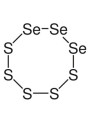
Selenium Sulfide