Stable Vitamin C Serum Formulation with Peptides: Addressing L-AA Instability, Cloudiness, and Foam
Question
I am developing a serum formula containing the following ingredients:
- Distilled Water
- Phospholipid (Hydrogenated Lecithin)
- Grape Seed Extract (Proanthocyanidins)
- Vitamin C (L-ascorbic acid)
- Glutathione (L-Glutathione Reduced)
- Triethanolamine
- Acetyl Hexapeptide-8 (Argireline)
- Matrixyl 3000 (Pal-GHK, Pal-GQPR)
- Pro Polymer™ (Gel Maker)
After adding Phospholipid and mixing thoroughly, the serum has a cloudy white appearance and develops foam. I understand the cloudy texture is normal, but how can I prevent the foam? Also, I am concerned about the stability of Vitamin C (L-ascorbic acid) in this formula, especially considering the presence of peptides (Acetyl Hexapeptide-8, Matrixyl 3000) which may require a different pH range for optimal efficacy compared to L-ascorbic acid. I was considering adding Triethanolamine to adjust the pH, but I'm unsure if this would negatively impact the Vitamin C stability. How can I create a stable serum that combines the benefits of Vitamin C and these peptides, addressing the texture issues (cloudiness and foam) and ingredient compatibility concerns?
Answer
Analysis of Your Current Formula
Your current formula includes several potent ingredients: Distilled Water, Phospholipid (Hydrogenated Lecithin), Grape Seed Extract (Proanthocyanidins), Vitamin C (L-ascorbic acid), Glutathione (L-Glutathione Reduced), Triethanolamine, Acetyl Hexapeptide-8 (Argireline), Matrixyl 3000 (Pal-GHK, Pal-GQPR), and Pro Polymer™ (Gel Maker).
The staff correctly identified the primary challenge: the high concentration of Vitamin C (L-ascorbic acid). While L-ascorbic acid is a highly effective form of Vitamin C, it is inherently unstable, especially in water-based formulas and at higher pH levels.
- Stability of L-Ascorbic Acid: L-ascorbic acid is most stable in highly acidic environments (low pH, typically below 3.5). Your formula contains other ingredients, particularly the peptides Acetyl Hexapeptide-8 (Argireline) and Matrixyl 3000, which are generally more stable and effective at a higher pH (closer to the skin's natural pH, around 4.5-6.5). This creates a conflict: formulating at a low pH for L-ascorbic acid stability compromises the peptides' efficacy, and raising the pH for the peptides causes rapid degradation of the L-ascorbic acid. Adding Triethanolamine to increase the pH, as you considered, would indeed make the L-ascorbic acid less stable, as the staff explained.
- Glutathione and Grape Seed Extract for Stability: As the staff noted, research shows Glutathione can help stabilize L-ascorbic acid, but typically requires a high ratio to L-AA and has mainly been studied in simpler formulas. Grape Seed Extract is a great antioxidant but is not known to significantly improve the stability of L-ascorbic acid.
- Texture (Cloudiness and Foam): The cloudy white appearance you observed is a normal characteristic when incorporating Phospholipid (Hydrogenated Lecithin) into a water-based formula, as it forms a dispersion. The foam is likely due to air being incorporated during the mixing process. The staff's suggestion to use Satin Cream Maker (0.5%) can help reduce foam and improve texture. Ensuring thorough but gentle mixing can also minimize foam.
In summary, while your formula contains excellent actives, the combination of high-dose L-ascorbic acid with peptides at conflicting optimal pH ranges makes it inherently unstable and challenging to formulate effectively.
Proposed New Stable Vitamin Serum Formula
To address the stability issues while retaining the benefits of Vitamin C and peptides, I recommend using a stable Vitamin C derivative that is compatible with a pH range suitable for peptides. Sodium Ascorbyl Phosphate (SAP) is a good option as it is water-soluble, highly stable, and works well in formulas with a pH between 7-9, which can be adjusted to be closer to the optimal range for peptides (though peptides are most effective slightly lower, a pH around 6-6.5 can be a good compromise for both SAP and peptides).
Here is a concept for a more stable serum formula:
Stable Vitamin Serum Formula (Example)
This formula uses Sodium Ascorbyl Phosphate (SAP) for stable Vitamin C activity and includes the peptides and other beneficial ingredients from your original formula.
- Distilled Water: Q.S. to 100%
- Sodium Ascorbyl Phosphate (SAP): 5-10%
- Function: Stable Vitamin C derivative, antioxidant, brightening.
- Note: Converts to L-ascorbic acid in the skin. Stable at pH 7-9, but can be formulated slightly lower (pH 6-6.5) for peptide compatibility.
- Phospholipid (Hydrogenated Lecithin): 3%
- Function: Penetration enhancer, emulsifier.
- Note: May cause cloudiness. Mix thoroughly.
- Grape Seed Extract (Proanthocyanidins): 1-2%
- Function: Antioxidant.
- Note: Use at 1-2% to minimize color impact.
- Glutathione (L-Glutathione Reduced): 1-2%
- Function: Antioxidant, brightening.
- Note: Works synergistically with Vitamin C.
- Acetyl Hexapeptide-8 (Argireline): 5-10%
- Function: Anti-wrinkle peptide.
- Note: Stable at pH 4-7.
- Matrixyl 3000 (Pal-GHK, Pal-GQPR): 3-5%
- Function: Anti-aging peptide, stimulates collagen.
- Note: Stable at pH 4-7.
- Pro Polymer™ (Gel Maker): 0.5-1%
- Function: Thickener, creates gel texture.
- Note: Adjust percentage for desired viscosity.
- Preservative: As needed (according to supplier recommendations)
- Function: Prevents microbial growth.
- Note: Choose one effective in the target pH range (approx. 6.0-6.5).
- pH Adjuster (e.g., Lactic Acid or Citric Acid solution): As needed
- Function: Adjusts final pH.
- Note: Aim for a final pH of 6.0-6.5 for optimal balance between SAP and peptide stability.
- Satin Cream Maker: 0.5% (Optional)
- Function: Texture enhancer, helps reduce foam.
- Note: Add if foam is an issue during mixing.
Key Advantages of this Formula Concept:
- Improved Stability: Using Sodium Ascorbyl Phosphate (SAP) significantly enhances the stability of Vitamin C in the formula compared to L-ascorbic acid.
- Ingredient Compatibility: The target pH range (6.0-6.5) is a good compromise that allows both SAP and the peptides (Acetyl Hexapeptide-8, Matrixyl 3000) to remain relatively stable and effective.
- Retains Benefits: Keeps the key active ingredients you wanted (Vitamin C, Glutathione, Grape Seed Extract, Argireline, Matrixyl 3000).
- Suitable Texture: Pro Polymer creates a lightweight gel/serum texture suitable for combination skin and layering under a cream. Satin Cream Maker can further refine the texture and reduce foam.
Suggested Mixing Steps for the New Formula:
- In your main beaker, combine the majority of the Distilled Water with Pro Polymer™. Mix gently but thoroughly until the gel is fully formed and smooth. Avoid whipping air into the mixture.
- In a separate small container, dissolve Sodium Ascorbyl Phosphate (SAP) in a small amount of the remaining Distilled Water. Add this solution to the main gel mixture and mix well.
- Add Glutathione, Grape Seed Extract, Acetyl Hexapeptide-8, and Matrixyl 3000 to the main batch. Mix until all ingredients are fully dissolved and dispersed.
- Add Phospholipid (Hydrogenated Lecithin) and Satin Cream Maker (if using). Mix thoroughly until the mixture is uniform and the cloudy appearance is consistent. Continue mixing until the texture is uniform. If using Satin Cream Maker, add it now and mix.
- Measure the pH of the mixture. Slowly add drops of your pH Adjuster solution while mixing, until the pH is in the range of 6.0-6.5. Mix well after each addition and re-measure.
- Add your chosen Preservative according to the supplier's recommended usage rate and mixing instructions. Mix well.
- Top up with any remaining Distilled Water to reach 100% total weight, if necessary, and mix one final time.
- Transfer the serum to a clean, opaque bottle (to protect from light). Store in a cool place, preferably the refrigerator, to help maintain the stability and freshness of the active ingredients.
Always practice good hygiene and use clean equipment when making cosmetics. It's also recommended to perform a small patch test on your skin before applying the product to your face.
Related Products Mentioned
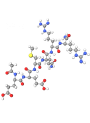
Acetyl Hexapeptide-8 (eq Argireline)
Pal-GHK, Pal-GQPR (eq Matrixyl 3000)
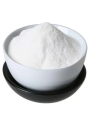
Vitamin C (L-ascorbic acid) (Ultra-Fine)
Vitamin C (L-ascorbic acid) (Fine)
Triethanolamine 99%
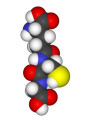
Glutathione (L-Glutathione) (Extrasol)
Pro Polymer™ (Gel Maker)

Satin Cream Maker™
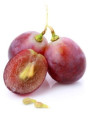
Grape Seed Extract (Proanthocyanidins)