Starting a Natural Cream Brand: Formulation & Costs
Question
I want to create a natural cream product for my own brand, using ingredients like Aloe Vera and Licorice extract. I don't have much knowledge about ingredients and formulation.
Could you please advise on:
- The process to develop such a product?
- The estimated costs involved?
Answer
Starting Your Natural Cream Brand
It's exciting that you want to create your own natural cream brand! Starting a cosmetic brand, especially when you're new to formulation, involves several steps. Here's a general overview:
1. Formulation Development
- Learn the Basics: Understand the different types of ingredients needed for a cream (water phase, oil phase, emulsifiers, thickeners, active ingredients, preservatives, fragrance).
- Choose Your Ingredients: Select natural ingredients that align with your brand vision and desired product benefits. Aloe Vera and Licorice extract are great choices for their skin-soothing and beneficial properties.
- Experiment: Start with simple base cream recipes and gradually incorporate your chosen active ingredients. It requires testing and adjustment to get the right texture, stability, and efficacy.
About Your Chosen Ingredients:
Based on the information retrieved:
- Aloe Vera Extract (extraction ratio 10:1 FullAssay™): This is a water-soluble liquid extract known for conditioning the skin, reducing allergic irritation (especially sunburn), and providing moisture. It can be used in creams at a rate of 1-10%. It's important to note that as an electrolyte, it might affect the thickness of some cream bases.
- Licorice Extract: There are several types available with different properties and solubilities:
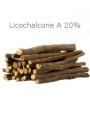
- Licorice Extract (Licochalcone A 1%, Water-Soluble) and Hi-LiconeA™ Licorice Extract (Licochalcone A 20%): These contain Licochalcone A, which is effective for reducing skin inflammation, redness, irritation, and controlling oiliness. The 1% version is water-soluble, while the 20% version needs to be dissolved in glycols. They are generally not for skin whitening.
- Pure-Glabridin™ Licorice Extract (Glabridin 90%), Hi-Glabridin™ Licorice Extract (Glabridin 40%), and Licorice Extract (Glabridin 4.5%, Water-Soluble): These types contain Glabridin, known for both whitening and anti-irritation effects. The 90% and 40% powder forms need to be dissolved in Butylene Glycol or Ethanol, while the 4.5% liquid version is water-soluble.
- Glycyrrhizic acid (Oil Soluble Licorice Extract): This form is oil-soluble and offers anti-inflammatory, antioxidant, antimicrobial, skin brightening, and anti-aging benefits.
Choosing the right type of Licorice extract will depend on your desired cream properties and the solubility needed for your specific cream formula.
2. Sourcing Ingredients
- You can source ingredients from suppliers like MySkinRecipes. Ensure you purchase cosmetic-grade ingredients.
3. Manufacturing
- Small Scale: You can start by making small batches yourself to test formulations.
- Larger Scale: For a brand, you will likely need to work with a contract manufacturer who can produce larger quantities according to your formula and quality standards.
4. Packaging
- Select appropriate packaging for your cream (jars, tubes, bottles) that is compatible with your formulation and aligns with your brand image.
5. Legal and Regulatory
- Register your business and products according to local regulations. This often involves notifying the authorities about your cosmetic products.
- Ensure your labeling is compliant, including ingredient lists, usage instructions, and warnings.
- Consider necessary testing (e.g., stability testing, microbial testing) to ensure product safety and shelf life.
6. Marketing and Sales
- Develop your brand story and marketing strategy.
- Decide where you will sell your products (online, local markets, retailers).
Costs
Estimating the exact cost is difficult without a detailed plan. Costs will include:
- Ingredient Costs: Vary depending on the type and quantity purchased.
- Packaging Costs: Vary based on material, design, and order volume.
- Manufacturing Costs: If using a contract manufacturer, this will be a significant cost, depending on batch size.
- Testing Costs: For stability, safety, etc.
- Legal/Registration Fees: For business and product registration.
- Marketing Costs: For website, advertising, etc.
- Overhead: Rent, utilities, labor, etc.
Starting small and scaling up as you grow is a common approach to manage initial costs.
In summary, creating a natural cream brand involves more than just selecting ingredients. It's a process that requires learning, planning, and investment. Focusing on understanding your ingredients, like the Aloe Vera and Licorice extracts mentioned, is a great first step.