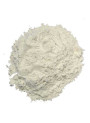
Sterilization Methods and Ethylene Oxide Compatibility for Acacia Gum
Question
Hello, I would like to purchase Acacia Gum to use as an ingredient in a solution for fungal testing in my research. I have the following questions:
- What is the sterilization process used for the company's
Acacia Gumproduct? - Can this product be sterilized to eliminate fungi and bacteria using the
Ethylene Oxidegas method?
Thank you.
Answer
Regarding your inquiry about Acacia Gum (Gum Arabic) for research purposes, here is the information concerning sterilization:
1. Sterilization Process of the Product
The Acacia Gum products provided (both Cosmetic and Food grades) are manufactured using standard industrial processes, typically involving spray drying. While this process involves heat which significantly reduces the microbial load, the products are not sold as "sterile" (aseptic). They are produced to meet standard microbial limits for their respective grades (e.g., Total Plate Count, Yeast, and Mold counts within specified limits), but they are not guaranteed to be free of all microorganisms required for sensitive microbiological research.
2. Sterilization via Ethylene Oxide (EtO)
Ethylene Oxide (EtO) is a common method used to sterilize heat-sensitive powders like natural gums.
- Compatibility: Acacia Gum is a polysaccharide and is generally compatible with EtO sterilization in its powder form.
- Considerations: While EtO is effective against bacteria and fungi, you must ensure proper aeration after treatment to remove any toxic residuals (ethylene oxide or ethylene chlorohydrin), as these residuals could potentially inhibit the growth of the fungi you are trying to test in your research.
Recommendations for Research:
- Validation: If you choose to use EtO, it is recommended to perform a validation to ensure the process does not alter the chemical properties of the gum or leave residues that interfere with your fungal assay.
- Alternative (Autoclaving): If your research allows the gum to be in an aqueous solution, autoclaving (121°C for 15 minutes) is a common laboratory sterilization method. However, please note that high heat may slightly alter the viscosity or color of the solution.
- Filtration: For liquid solutions, membrane filtration (0.22 micron) is the best way to achieve sterility without heat or chemical exposure, though Acacia Gum solutions can be viscous and may require pre-filtration.
We offer several grades of Acacia Gum depending on your specific research requirements:
- Acacia Gum (Gum Arabic, 60-110 mPa.s., France): Cosmetic grade, high purity.
- Acacia Gum (Gum Arabic): Food grade.