Strong Pungent Odor in Serum Formula: Identifying Source and Solutions
Question
My cosmetic formula, containing ingredients like Rosa Hybrid Cell Extract, Snow Algae, Dragon Blood Extract, Hyaluronic Acid Gel Base, Repair Activator (Bifida Ferment Lysate), Wrinkle-Fill (Acetyl Tyrosine), Wrinkle-Lax (Stevioside), WaterLock (Polyquaternium-51), Skin-Barrier complex, Acetyl Hexapeptide-8, PaeoniaPreserve, Hydrolyzed Elastin (From Fish), Glutathione, 4MSK, Ethyl Ascorbic Acid, Disodium EDTA, Glycerin, Yeast Radiance, Hyaluronic Acid Elastomer, and Lift-Now, has a strong pungent odor after production. Based on this ingredient list, which components are likely causing this smell, and what methods can be used to reduce or eliminate the odor?
Answer
Based on the ingredients in your formula, the strong pungent odor is most likely coming from one or more of the following components:
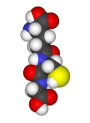
- Glutathione (L-Glutathione) (Item 13): Glutathione is a sulfur-containing compound known for having a distinct, often unpleasant sulfurous smell, sometimes described as similar to rotten eggs or cabbage. This is a very common source of off-odors in cosmetic formulas.
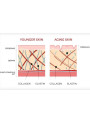
- Hydrolyzed Elastin (From Fish) (Item 12): Hydrolyzed proteins, especially those derived from animal sources like fish, can carry a noticeable odor, which might be perceived as fishy or pungent.
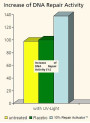
- Repair Activator™ Liquid (Bifida Ferment Lysate) (Item 5) and Yeast Radiance™ (Hydrolyzed Yeast Protein) (Item 18): Fermented ingredients and hydrolyzed yeast protein can have characteristic odors that might be strong or slightly yeasty/sour.
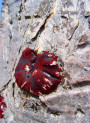
- Dragon Blood Extract (Item 3): Natural plant extracts can have strong, characteristic smells. While often described as earthy or resinous, some might perceive it as pungent.
To identify the exact source, you could try smelling each raw material individually. However, Glutathione and Hydrolyzed Elastin from fish are the most probable causes for a pungent smell based on their typical odor profiles.
Here are some ways to adjust your formula to reduce the strong odor:
- Reduce Concentration: If possible, try reducing the percentage of the ingredient(s) suspected of causing the odor. Be mindful that this might affect the product's intended efficacy.
- Source from a Different Supplier: The odor profile of an ingredient can vary significantly between suppliers depending on their processing methods and purity. Look for cosmetic-grade ingredients specifically noted as low-odor or odorless, especially for ingredients like Glutathione or hydrolyzed proteins.
- Add Fragrance: Incorporating a suitable fragrance can help mask the undesirable odor. Choose a fragrance that is effective at covering the specific type of smell without being overpowering itself.
- Use an Odor Neutralizer: Certain cosmetic ingredients are designed to absorb or neutralize odors in a formula.
- Check Ingredient Quality: Ensure that the ingredients, especially natural extracts and proteins, are fresh and have been stored correctly, as degradation or rancidity can cause off-odors.
Given the ingredients, Glutathione (Item 13) and Hydrolyzed Elastin (Item 12) are the most likely primary contributors to a strong pungent smell.
Related Products Mentioned
Glutathione (L-Glutathione) (Extrasol)

Yeast Radiance™
Hydrolyzed Elastin (From Fish)