Substitute for Sorbeth-6 Laurate in Cleansing Gel Formulation
Question
Based on the ingredient list of Preme Nobu Cleansing Gel, I am looking for a substitute for Sorbeth-6 laurate that can provide a similar texture and cleansing feel. Could you suggest alternative surfactants or a combination of surfactants that would be suitable for formulating a cleansing gel with properties close to the original product?
Answer
How to Make a Cleansing Gel Similar to Preme Nobu Cleansing Gel
Creating a cleansing gel that precisely replicates a commercial product like Preme Nobu Cleansing Gel is challenging because the exact percentages of each ingredient and the specific manufacturing process are proprietary. However, we can analyze the provided ingredient list and discuss the roles of the key components to help you formulate a similar product.
Based on the ingredient list you provided, here are the main types of ingredients and their likely functions:
- Water: The primary base of the gel.
- Cleansing Agents (Surfactants): The list includes
Sorbeth-6 laurate. Finding an exact substitute for this specific surfactant is difficult. Different surfactants provide varying cleansing strengths, foaming, and skin feel. Based on our search, related compounds likeSorbitan Laurate(Span 20),Laureth-3, andLaureth-9are available and could potentially be explored as part of a surfactant system. Experimentation with different mild surfactants or combinations will be necessary to achieve a similar cleansing feel (like the "slightly frictional" feel you described) and performance without being overly drying. - Gelling Agents (Thickeners):
CarbomerandAcrylates/C10-30 alkyl acrylate crosspolymerare polymers responsible for creating the gel structure.Carbomer 940is a common gelling agent that requires neutralization.Carbomer 2020(an Acrylates/C10-30 Alkyl Acrylate Crosspolymer) is another option known for easier dispersion and better electrolyte tolerance, potentially resulting in a clearer gel. - Neutralizer:
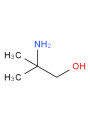
Aminomethyl propanol(AMP) is an alkaline ingredient used to neutralize the acidic Carbomer polymers, causing them to thicken and form a gel. - Humectants/Conditioners:
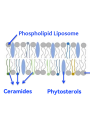
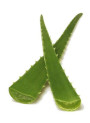
Butylene Glycolis a humectant that helps the skin retain moisture.Aloe Barbadensis Leaf Extract(Aloe Vera Extract) is known for soothing and moisturizing properties.Hydrogenated Lecithin,Cholesterol, andCeramide 3(Ceramide NP) are lipids that help moisturize and support the skin barrier, counteracting potential dryness from cleansing. ACeramide Complexliposome product could also be used for effective ceramide delivery. - Soothing/Other Extracts:
Ammonium glycyrrhizate(from Licorice) andGentiana luteaare often included for soothing or anti-inflammatory benefits. - Preservative:
Methylparaben(Sodium Paraben) is used to prevent microbial growth. - Chelating Agent:
Pentasodium pentetatehelps stabilize the formula by binding to metal ions.
General Formulation Steps (Requires Experimentation)
Formulating this type of gel involves combining these components. Here is a simplified outline, but precise percentages and steps will require testing:
- Water Phase: Disperse the gelling agent (e.g., Carbomer 940 or Carbomer 2020) in purified water and allow it to hydrate.
- Add Humectants & Extracts: Incorporate Butylene Glycol, Aloe Vera Extract, Ammonium Glycyrrhizate, and other water-soluble ingredients.
- Lipid Phase (Optional): If using oil-soluble lipids like Cholesterol or Ceramide 3 powder, they may need to be heated and dissolved in a small amount of oil before being added to the water phase. Alternatively, use water-dispersible forms like the Ceramide Complex Liposome.
- Add Cleansing Agents: Carefully mix in the chosen surfactant(s). This step is critical for achieving the desired texture and cleansing performance.
- Neutralize: Gradually add the neutralizer (Aminomethyl propanol) while stirring until the gel thickens to the desired consistency and the pH is suitable for skin (typically pH 5.5-7).
- Add Preservative & Chelating Agent: Incorporate Sodium Paraben and Pentasodium pentetate.
- Final Adjustments: Check and adjust the pH if needed. Ensure the gel is uniform.
Achieving the specific texture and feel of the reference product will require careful experimentation with ingredient types and concentrations, particularly the surfactant system and gelling agents.
Related Products Mentioned
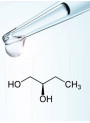
Butylene Glycol
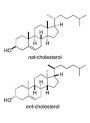
Cholesterol (95%, NF, Fine Powder)
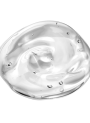
Carbomer 940 (EasyDisperse™, France)
Laureth-3
Laureth-9
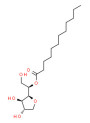
Sorbitan Laurate (Span 20)
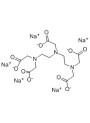
Pentasodium Pentetate (DTPA-5Na, 40%)
Ammonium Glycyrrhizate