Substitute Ingredients for Shampoo Formula
Question
Based on the following shampoo formula, what ingredients can be used as substitutes?
Formula:
Water, Sunflower Seed Extract, Grapeseed Extract, Ethylhexyl Methoxcinnamate, Tocopheryl Acetate, Rice Amino Acids, Panthenol B5, PCA, Cystine, Phospholipids, Disodium Cocoyl Glutamate, Sulfoalkyl Amides & Esters, Glyceryl Stearate, Methyl Gluceth 20, Glycereth 2 Coccoate, Benzoic Acid, Fragrance
Answer
Based on the shampoo formula you provided, here are some potential substitute ingredients you could use:
Suggested Substitute Ingredients for Shampoo Formula
Here are some alternative ingredients you can use to create a shampoo similar to the formula you provided:
- Sunflower Seed Extract: You could consider using Sunflower Oil (High Omega, Refined) as a emollient or Pure-Oryzanol™ (Rice Bran Extract) which offers antioxidant and moisturizing benefits.
- Grapeseed Extract: Grape Seed Extract (Proanthocyanidins) is a suitable alternative, known for its antioxidant properties.
- Ethylhexyl Methoxcinnamate: If the purpose is UV protection, Enzacamene is an oil-soluble UVB sunscreen that could be used.
- Tocopheryl Acetate: You can directly substitute with Vitamin E (Tocopheryl Acetate) (oil-soluble) or Vitamin E (Tocopheryl Acetate) Water-Soluble depending on your formula's needs.
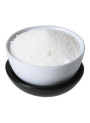
- Rice Amino Acids: For amino acid benefits for hair, Kerasyn™ (L-Cysteine, 100%) is an option. Other rice-derived ingredients like MYFerment™ Rice Berry (fermented rice extract with antioxidant benefits) or Rice Vitamin (Inositol, Vitamin B8) (for moisturizing) could also be incorporated for different benefits.
- Panthenol B5: Both Panthenol (Vitamin B5, DL-Panthenol, Powder) and D-Panthenol Care (Pro-Vitamin B5, 100% Liquid) are excellent direct substitutes for Panthenol B5, providing moisturizing and hair nourishing benefits.
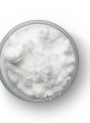
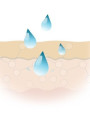
- PCA: You can use Sodium PCA 50% or PCA (L-PCA, L-Pyroglutamic Acid), which are components of the skin's natural moisturizing factor and help with hydration.
- Cystine: Kerasyn™ (L-Cysteine, 100%) is a direct amino acid substitute important for hair strength. HeatPlex™ (Cystine Bis-PG-Propyl Silanetriol) is a related ingredient that helps protect hair from heat and provides hold.
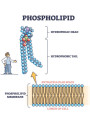
- Phospholipids: You can use Phospholipid (Hydrogenated Lecithin) which acts as a natural emulsifier and helps moisturize, or PhosCare™ (Water Soluble 15% Phospholipid) for a water-soluble option with hydrating and barrier repair benefits.
- Disodium Cocoyl Glutamate: Gluta-Clean™ (Disodium Cocoyl Glutamate) is a direct substitute, providing gentle cleansing and good foam.
- Sulfoalkyl Amides & Esters and Glycereth 2 Coccoate: These are surfactants and emollients. Sucrose Cocoate (Sugar + Coconut Surfactant) is a natural, mild surfactant that can boost foam, moisturize, and thicken, making it a potential substitute for one or both of these depending on their role in the original formula.
- Glyceryl Stearate: Glyceryl Stearate SE / Glyceryl Monostearate SE (GMS SE) or Glyceryl Stearate and PEG-100 Stearate (Powder) can be used as emulsifiers and thickeners.
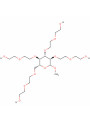
- Methyl Gluceth 20: Methyl Gluceth-20 is a direct humectant substitute. PPG-20 Methyl Glucose Ether and Methyl Gluceth-10 are related humectants that could also be used.
- Benzoic Acid: Sodium Benzoate or Zinc-Ben (which contains Sodium Benzoate) are common preservative alternatives.
- Fragrance: You can use any cosmetic-grade fragrance oil you prefer, such as Strawberry (Fragrance Oil), to add scent to the shampoo.
Remember that the performance and texture of the final product may vary depending on the specific substitutes used and their concentrations. It is always recommended to perform small-scale tests before making a large batch.
Related Products Mentioned
Vitamin E (Tocopheryl Acetate)
Sodium PCA 50%
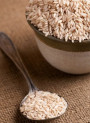
Rice Vitamin (Inositol, Vitamin B8)
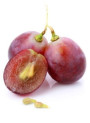
Grape Seed Extract (Proanthocyanidins)
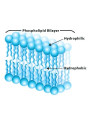
Phospholipid
Gluta-Clean™ (Disodium Cocoyl Glutamate)
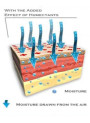
Methyl Gluceth-20
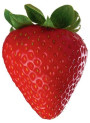
Strawberry (Fragrance Oil)
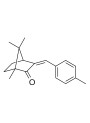
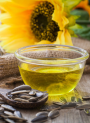
Sunflower Oil (High Omega, Refined)
Kerasyn™ (L-Cysteine, 100%)
Methyl Gluceth-10
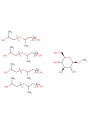
PPG-20 Methyl Glucose Ether