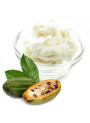
Suitable Ingredients for Stretch Mark Cream and Vitamin A Use
Question
I am planning to formulate a stretch mark cream using the following ingredients: Cocoa Butter, Shea Butter, Avocado Oil, Olive Oil, Rosehip oil, Aloe Vera, Vitamin E, Vitamin A (specifically Retinyl Palmitate / Retinol Palmitate), and Lemon Juice.
Could you please advise on:
- Which of these ingredients are suitable and beneficial for a stretch mark cream?
- How should Vitamin A (Retinyl Palmitate / Retinol Palmitate) be incorporated, and are there any important considerations for its use?
- Is Lemon Juice suitable for this formulation, and what are the potential effects?
Answer
Essential Ingredients for Stretch Mark Cream
Based on the ingredients you found and general formulation principles for stretch mark creams, here is a breakdown of which ingredients are beneficial and how to use Vitamin A.
Stretch marks are a type of scar that develops when the skin stretches or shrinks quickly. Hydration and maintaining skin elasticity are key to preventing and improving their appearance.
Beneficial Ingredients
Several ingredients on your list are excellent for moisturizing and supporting skin elasticity:
- Cocoa Butter and Shea Butter: These are rich emollients that provide deep hydration and help improve skin's suppleness and elasticity. They are widely used in products targeting stretch marks and dry skin.
- Avocado Oil and Olive Oil: These oils are packed with fatty acids, vitamins (like E and A), and antioxidants. They are highly moisturizing and help nourish the skin, keeping it soft and flexible.
- Rosehip oil: Known for its skin regenerative properties, Rosehip oil is rich in essential fatty acids and can help improve the appearance of scars and support skin repair.
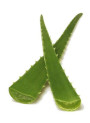
- Aloe Vera: Provides soothing hydration and can help calm irritated skin and support the skin's natural healing process.
- Vitamin E: A beneficial antioxidant that helps protect the skin and offers additional moisturizing benefits.
These ingredients work together to keep the skin well-hydrated and elastic, which is crucial for minimizing the appearance of stretch marks.
Vitamin A (Retinyl Palmitate / Retinol Palmitate)
Vitamin A derivatives, such as Retinyl Palmitate or Retinol, can help with skin cell turnover and collagen production, which may help improve the appearance of older, established stretch marks. However, there are important considerations:
- Pregnancy Warning: As the staff reply correctly pointed out, Vitamin A in any form should be avoided during pregnancy due to potential risks to the fetus.
- Formulation Use: To incorporate Vitamin A into a cream, you need the cosmetic ingredient form (like a powder or liquid concentrate designed for topical application), not capsules intended for oral dietary supplementation. These cosmetic-grade ingredients are formulated for stability and efficacy when applied to the skin.
Its necessity depends on your specific goal (prevention vs. treatment of older marks) and, most importantly, your personal circumstances regarding pregnancy.
Ingredients Not Recommended
- Lemon juice: Lemon juice is acidic and can cause skin irritation, sensitivity to sunlight (photosensitivity), and potential damage to the skin barrier, especially on stretched or compromised skin. It is generally not recommended for use in leave-on skin creams for stretch marks.
In summary, focus on the rich butters and oils, Aloe Vera, and Vitamin E for their hydrating and skin-conditioning benefits. Use Vitamin A with caution and only the cosmetic-grade form, strictly avoiding it during pregnancy. Avoid Lemon juice in your formulation.
Related Products Mentioned
Vitamin E (Tocopheryl Acetate)
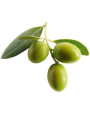
Olive Oil (Extra Virgin)
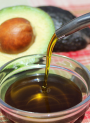
Avocado Oil (Refined)
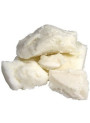
Shea Butter (Refined , Deodorised)
Vitamin E (dl-alpha tocopherol)
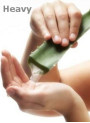
Aloe Vera Gel (Heavy)
Shea Butter (Ultra Soft)
Rosehip Oil (Virgin, Fresh)
Retinol (100% Pure Powder)
Golden Shea Butter (Virgin, Ghana)
Rosehip Oil (Extra Virgin)