Sulfate-Free Anti-Dandruff Shampoo Formulation Review and Mixing Instructions
Question
Please review the following sulfate-free shampoo formula and provide mixing instructions:
Formula:
- distilled water 43%
- Sulfate Free Shampoo Base (pH 7, Clear, Foaming) 30%
- Cetrimonium Chloride (CTAC) 2%
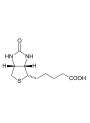
- Pure-Biotin™ 0.10%
- Poly-Conditioner Eco 2%
- Mild Preserved Eco™ (Preservative-Free) 1%
- Zinc Pyrithione (Dandruff, Sebderm) Liquid 2%
- Dandruff-Guard™ (Piroctone Olamine) 0.5%
- Cocamidopropyl Betaine (Coco Betaine) 15% (Is this necessary? How much should be used for this formula?)
- Centella Leaves Liquid 2%
- Flora Fix™ 0.3%
- Cotton Blossom (Compare to Bath & Body) 1%
- color powder 0.1%
Is a fragrance solubilizer needed?
Are the proportions in the formula okay? Do any ingredients need to be increased or decreased?
Please provide advice on the mixing procedure.
Thank you.
Answer
Formula Review and Recommendations
Your formula includes a good combination of ingredients for a sulfate-free shampoo with anti-dandruff and conditioning properties, as well as ingredients for hair growth support and fragrance.
Here's a breakdown of the ingredients and percentages:
- Distilled water (43%): This is your base. The percentage is appropriate given the other ingredients.
- Sulfate Free Shampoo Base (pH 7, Clear, Foaming) (30%): This is your primary cleansing base. 30% is within the recommended usage range for an adult formula (30-35%). This base works well with amphoteric surfactants like Cocamidopropyl Betaine for thickening with salt, if needed.
- Cetrimonium Chloride (CTAC) (2%): This is a cationic conditioning agent. 2% is at the higher end of the recommended range (0.5-2.0%) for rinse-off conditioners/shampoos. It helps reduce static and makes hair smoother.
- Pure-Biotin™ (0.10%): This is for hair growth support. 0.10% is within the recommended range (0.1-0.2%) for the powder form. Note that Pure-Biotin™ is sensitive to UV light, so adding a UV filter is recommended for formula stability. The description also suggests adding Urea (3-7%) and Triacetin (approx. 10% of Urea) to improve Biotin penetration into the skin. Your current formula does not include these.
- Poly-Conditioner Eco (Polyquaternium-7) (2%): This is a non-silicone conditioning agent. 2% is within the recommended range (1-3%) for shampoo. It helps provide softness and smoothness to the hair.
- Mild Preserved Eco™ (Preservative-Free) (1%): This is your preservative. 1% is at the lower end of the recommended range (1.0-1.5%) for general cosmetic formulas. While it might be sufficient, especially in a cleansing product, performing a challenge test is always recommended to ensure adequate preservation. It is compatible with a wide pH range (4-9) and can withstand heat up to 80°C for a short time.
- Zinc Pyrithione (Dandruff, Sebderm) Liquid (2%): This is an anti-dandruff active. The liquid form is typically 48-50% active, so 2% liquid provides approximately 1% active Zinc Pyrithione. This is within the allowed concentration (up to 2% active) for rinse-off anti-dandruff shampoos according to regulations. It is insoluble and needs to be well dispersed. Avoid using EDTA or strong oxidizers.
- Dandruff-Guard™ (Piroctone Olamine) (0.5%): This is another anti-dandruff active. 0.5% is within the recommended range (0.5-1.0%) for anti-dandruff shampoo. Using it together with Zinc Pyrithione can provide maximum dandruff removal efficiency. It is a powder that needs to be dispersed in water first and added to the formula, avoiding heat above 80°C. It can also increase formula viscosity.
- Cocamidopropyl Betaine (Coco Betaine) (15%): You asked if this is necessary and how much to use. Yes, it is beneficial and often necessary in sulfate-free formulas, especially when using a base like the Sulfate Free Shampoo Base which benefits from an amphoteric co-surfactant for viscosity adjustment with salt. It contributes to foam quality (fine and smooth) and mildness. 15% is a suitable amount as a co-surfactant in a shampoo formula (typical range 15-30% when used as a main detergent or co-surfactant).
- Centella Leaves Liquid (Centella Asiatica Extract) (2%): This extract is known for its skin soothing and healing properties. 2% is within the typical usage range for extracts. The powder form (Centella Asiatica Extract Madecassoside 90%) is recommended to be mixed in the final step, not exposed to heat, and works best in pH 4-6.5. You should verify the specific properties and recommended usage of your liquid Centella Leaves product, especially regarding heat sensitivity and optimal pH range, as the pH 7 of the shampoo base might affect its stability or efficacy if it behaves like the powder form.
- Flora Fix™ (long lasting fragrance) (0.3%): This is a fragrance fixative. The description suggests using it at the same rate as the fragrance (1-5%) in cosmetic products. Your percentage (0.3%) is lower than your fragrance percentage (1%). You might consider increasing the Flora Fix™ percentage to match or be closer to the fragrance percentage for better performance, if desired. It should be mixed with the fragrance before adding to the main formula, avoiding high heat.
- Cotton Blossom (Fragrance) (1%): 1% is a typical usage rate for fragrance in shampoo.
- Color powder (0.1%): This is for aesthetics. 0.1% is a reasonable starting point. Ensure it is water-soluble and fully dissolved or dispersed.
Total Percentage: Your current percentages add up to 98%. Please double-check your measurements to ensure the total is 100%.
Fragrance Solubilizer: You asked if a solubilizer is needed for the fragrance. The surfactants in your formula (Sulfate Free Shampoo Base and Cocamidopropyl Betaine) will help solubilize the fragrance. An additional dedicated solubilizer like Flora Solve™ Clear might not be strictly necessary but could help ensure clarity and full dispersion of the fragrance, especially if you notice cloudiness.
Mixing Instructions
Here is a suggested mixing procedure for your shampoo formula. Always ensure your equipment is clean and sanitized.
- Water Phase: In your main mixing vessel, add the distilled water.
- Add Surfactants and Conditioners: Add the Sulfate Free Shampoo Base, Cocamidopropyl Betaine, Cetrimonium Chloride, and Poly-Conditioner Eco to the water. Stir gently but thoroughly until all ingredients are dissolved and the mixture is homogenous. Avoid creating excessive foam.
- Disperse Dandruff-Guard™: In a separate small container, disperse the Dandruff-Guard™ powder in a small amount of distilled water. Stir or blend until it is evenly dispersed (it will not fully dissolve). Add this dispersion to the main mixture and stir well.
- Add Zinc Pyrithione: Add the Zinc Pyrithione Liquid to the main mixture. Blend at a higher speed briefly to ensure the Zinc Pyrithione is evenly dispersed throughout the formula.
- Fragrance and Fixative: In a separate small container, mix the Cotton Blossom fragrance with the Flora Fix™. Add this mixture to the main formula and stir gently until combined. Avoid high heat during this step.
- Add Preservative and Extracts: Add the Mild Preserved Eco™ and Centella Leaves Liquid to the main mixture. Stir gently until fully incorporated. Note: If your Centella Leaves Liquid has specific pH or heat requirements, adjust the mixing step accordingly. It might be better to add it at a lower temperature or after pH adjustment if necessary.
- Disperse Biotin: Disperse the Pure-Biotin™ powder in a very small amount of the shampoo mixture or distilled water by blending. Add this dispersion to the main formula and blend briefly to ensure it is evenly distributed. Note: Consider adding Urea and Triacetin with the Biotin phase if you want to enhance penetration.
- Add Color: Dissolve the color powder in a small amount of distilled water. Add this colored water drop by drop to the main mixture, stirring gently, until the desired color intensity is achieved.
- Final Adjustments: Gently stir the entire mixture. Check the pH of the final product. While the base is pH 7, adjusting the final pH to be slightly acidic (e.g., pH 5.5-6.5) is generally better for the hair cuticle and scalp health. However, ensure all your ingredients, especially the actives like Zinc Pyrithione and Centella Extract, are stable at your target pH. If you need to thicken the formula, you can try adding salt (Sodium Chloride) gradually while stirring gently, as suggested for the Sulfate Free Shampoo Base. Let the mixture sit for 24 hours for the viscosity to stabilize.
- De-aerate: Let the finished shampoo sit undisturbed for several hours or overnight to allow any trapped air bubbles to rise and dissipate.
Remember to perform stability testing on your final product to ensure the ingredients remain stable and the formula maintains its appearance and efficacy over time.
Related Products Mentioned
Cocamidopropyl Betaine
Cetrimonium Chloride (CTAC)

Dandruff-Guard™ (Piroctone Olamine)

Pure-Biotin™
Mild Preserved Eco™ (Preservative-Free)

Poly-Conditioner Eco

Cotton Blossom (Compare to Bath & Body)

Flora Fix ™ (long lasting fragrance)