Summary of Whitening Agents and Mechanisms from Deleted Thread
Question
Could you please provide the information from a deleted forum thread about whitening agents? I am particularly interested in the details regarding different types of whitening agents, their mechanisms of action (such as inhibiting Tyrosinase, reducing melanin creation, skin exfoliation, inhibiting melanin transfer, and the role of sunscreen), and discussions about specific ingredients like 4-butylresorcinol and ellagic acid. I was also looking for the explanation of melanogenesis that was in that thread.
Answer
Hello,
Thank you for your inquiry about the deleted thread on whitening knowledge. I understand you were looking for the valuable information it contained, including the image explaining melanogenesis.
Unfortunately, I cannot recover deleted forum threads or specific images from them. However, I can provide a summary of the key information discussed in the thread based on the content you provided.
The thread discussed various whitening agents and their mechanisms of action, as explained by user "cosmeceutical7":
Inhibiting/Controlling the Tyrosinase Enzyme: This enzyme controls melanin production. Ingredients in this group include:
- Hydroquinone (not the safest, often used at 2% in clinics)
- Arbutin derivatives (beta-Arbutin, Alpha-Arbutin, deoxy-Arbutin)
- Glabridin (extracted from Licorice)
- Azelaic Acid
- Kojic Acid
Reducing Melanin Creation by Other Methods: Ingredients like Vitamin C (various forms such as L-ascorbic acid, Sodium Ascorbyl Phosphate, Magnesium Ascorbyl Phosphate) and Mequinol fall into this category.
Skin Exfoliation: By accelerating skin cell turnover, this process removes keratinocytes containing melanin. Examples include AHA (like glycolic acid) and Retinoids (Vitamin A derivatives like Retin-A, Adapalene). Note that frequent exfoliation can cause skin irritation.
Inhibiting Melanin Transfer: These agents prevent melanin from being transferred from melanocytes (melanin-producing cells) to keratinocytes (skin cells). Vitamin B3 (Niacinamide) is an example.
Sunscreen: While not a direct whitening agent mechanism in the same way, sunscreen prevents UV radiation from stimulating increased melanin production.
The thread also mentioned other substances that can whiten skin but whose mechanisms are less understood, such as Steroids (caution advised due to safety concerns) and certain Flavonoids like ellagic acid.
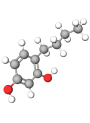
There was a specific discussion about 4-butylresorcinol and ellagic acid. While initially presented as potentially superior to other agents, the consensus from "cosmeceutical7" and "staff" was that the research supporting their efficacy and safety was limited and not highly reliable (e.g., studies on pig skin, limited publications from questionable sources), especially compared to well-researched ingredients like Arbutin or Vitamin C.
I hope this summary from the thread content is helpful for your study.
Related Products Mentioned
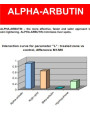
Alpha Arbutin (Switzerland)
Safe-B3™ (Vitamin B3, Niacinamide)
Vitamin C (L-ascorbic acid) (Fine)
Kojic Acid Dipalmitate