Sunscreen and Serum Formulation for Acne-Prone Skin and Acne Scars
Question
What ingredients and bases are recommended for formulating a lightweight sunscreen suitable for acne-prone skin, considering alternatives to silicone gels for texture? Also, what active ingredients and bases are suggested for a serum targeting acne treatment, inflammation reduction, and the prevention/treatment of acne scars?
Answer
Ingredients for Acne-Prone Sunscreen and Acne/Scar Serum
Regarding your request for a mousse-textured sunscreen suitable for acne-prone skin, achieving a true mousse texture often relies on silicone gels. However, as mentioned previously, silicones can potentially clog pores and may not be ideal for acne-prone skin. Instead, we can focus on formulating a lightweight sunscreen that is comfortable for this skin type.
Lightweight Sunscreen for Acne-Prone Skin
For a lightweight sunscreen base, you could consider using a pre-made base like Clear Sprayable Sunscreen (Super Light, SPF40). This provides a non-sticky, sprayable liquid texture with SPF 40.
To enhance UV protection and improve texture without heavy silicones, you can incorporate ZeoBlock™ (UV-Cutting Zeolite, Non-Nano). This is a non-nano physical filter that offers broad-spectrum UVA/UVB protection, has a smooth feel, and is compatible with various formulations, making it suitable for acne-prone skin.
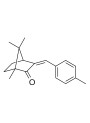
If you need to boost UVB protection further, an oil-soluble chemical filter like Enzacamene (4-methylbenzylidene camphor, 4-MBC) can be added to the oil phase of your formulation.
Serum for Acne Treatment and Scar Reduction
For a serum targeting acne and acne scars, a combination of active ingredients can be used:
For Acne Treatment and Prevention:
- AcnePLEX™: A comprehensive technology that helps restore the skin barrier, contains anti-bacterial agents, and includes Salicylic Acid to treat acne and prevent clogged pores. It's designed for sustainable results.
- Alternatively, Pep®-Acne (Oligopeptide-10 Anti-microbial Peptide) is a water-soluble peptide that specifically targets acne-causing bacteria.
- Other options include Actin AC (5-in-1 Anti-Acne) which regulates sebum, reduces inflammation, and has antibacterial properties, or QD-365 Anti-Acne Complex, a gentle water-soluble complex that reduces inflammation and inhibits acne bacteria.
For Reducing Inflammation and Redness:
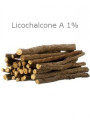
- Licorice Extract (Licochalcone A 1%, Water-Soluble) is excellent for reducing skin inflammation, redness from acne, and controlling oiliness.
For Preventing New Scars (after wound healing):
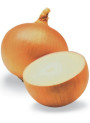
- Hi-Quercetin® (Onion Extract, Quercetin 3%) helps heal wounds and prevents the formation of keloid and hypertrophic scars. It should be used after the wound has completely closed.
For Treating Recent Acne Scars:
- Copper Peptide (GHK-Cu Copper Tripeptide-1, 1:1) Powder can help improve the appearance of recent acne scars by stimulating skin cell regeneration.
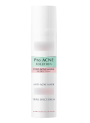
For a base specifically focused on scar reduction, you could use Pro Acne Solution Post-Acne Marks Reduction as a starting point (used at 95-100%).
When formulating the serum, pay attention to the solubility and mixing instructions for each ingredient (e.g., water-soluble vs. oil-soluble, temperature sensitivity, pH range) to ensure stability and efficacy.
Related Products Mentioned

AcnePLEX™
QD-365 Anti-Acne Complex
Actin AC (5-in-1 Anti-Acne)