Sunscreen & BB Cream Formulation: White Cast, Filters, and Mixing
Question
I am developing a combined waterproof sunscreen and BB cream.
- Regarding sunscreen filters, I have two potential options:
- Formula 1 (Physical): Zinc Oxide Nano EasyDisperse (5%) + Titanium Dioxide Nano EasyDisperse (5%)
- Formula 2 (Chemical): Avobenzone (5%) + Octisalate (5%) + Octocrylene (10%)
Why does Formula 1 (Physical) cause a white cast, while Formula 2 (Chemical) does not?
- Is it possible to combine a waterproof sunscreen with BB cream? I am planning a formula structure with high silicone content (up to 90%) using ingredients like Cyclomethicone, Dimethicone, Silicone Gel, LipidSoft, AminoSilk, BB Micro Silk, and Red/Yellow Iron Oxides. What additional ingredients, particularly emulsifiers, would be needed for this high-silicone formula? (Note: My current ingredient percentages add up to over 100% - I understand I need to adjust them to total 100%).
- What are the pros and cons of using physical vs. chemical UV filters in general?
- Does adding BB cream components (like pigments and powders) help to reduce or mask the white cast from physical sunscreen filters?
- Which combination of filters (Physical or Chemical, as in my examples) is better for providing broad-spectrum UVA/UVB protection in a combined BB sunscreen?
- Could you provide detailed mixing instructions for a high-silicone BB sunscreen formulation, specifically for a water-in-silicone emulsion type?
Answer
Sunscreen and BB Cream Formulation Guidance
Here is a detailed response to your questions regarding sunscreen formulations, white cast, combining sunscreen with BB cream, and mixing instructions.
1. White Cast in Sunscreen Formulas
- Sunscreen Formula 1: This formula uses physical sunscreens, Zinc Oxide Nano EasyDisperse (5%) and Titanium Dioxide Nano EasyDisperse (5%). Physical sunscreens, particularly Titanium Dioxide, are known to leave a white cast on the skin, especially at higher concentrations. While using nano-sized particles helps to minimize this effect compared to larger particles, a total of 10% physical filters may still result in some degree of white cast, particularly on darker skin tones.
- Sunscreen Formula 2: This formula uses chemical sunscreens: Avobenzone (5%), Octisalate (5%), and Octocrylene (10%). Chemical sunscreens are absorbed into the skin and convert UV rays into heat, and they typically do not leave a white cast. Therefore, Formula 2 is much less likely to cause a white or ghostly appearance on the skin compared to Formula 1.
2. Combining Waterproof Sunscreen and BB Cream
Yes, it is possible to create a combined waterproof sunscreen and BB cream formula. This approach is popular, especially in Korean cosmetics. Your proposed formula structure is a good starting point for a silicone-heavy base, which is common for a smooth, lightweight feel in BB creams and sunscreens.
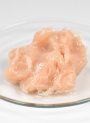
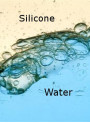
Regarding additional ingredients, your proposed formula (with high silicone content) would require an appropriate emulsifier to combine the silicone/oil phase with the water phase (if you intend to include water). For formulas with a high percentage of silicones (like the 90% in your formula), a water-in-silicone emulsifier such as Warp Cream Maker is typically needed to ensure stability and prevent separation. While SiliSolve can also bind water to silicone, it is generally recommended for lower silicone concentrations (1-30%).
Also, your listed percentages for the ingredients in the proposed formula add up to well over 100%. You will need to adjust the percentages so that the total sum of all ingredients, including water and any emulsifier, equals 100%.
3. Pros and Cons of Different UV Filters
Choosing between physical and chemical sunscreen filters depends on desired performance, texture, and skin sensitivity:
- Physical Filters (Zinc Oxide, Titanium Dioxide):
- Pros: Generally considered gentle and less likely to cause skin irritation, provide broad-spectrum protection (UVA and UVB) when used together, work by sitting on top of the skin and blocking UV rays.
- Cons: Can leave a white cast (especially Titanium Dioxide), may have a thicker or heavier feel, can be more challenging to formulate into elegant textures.
- Chemical Filters (Avobenzone, Octisalate, Octocrylene):
- Pros: Tend to have lighter textures, do not leave a white cast, can achieve high SPF/PA with lower concentrations, easier to formulate into various product types.
- Cons: Some individuals may experience skin sensitivity or allergic reactions, work by absorbing UV rays and converting them to heat (some concerns about skin absorption), Avobenzone can be unstable and requires stabilizers like Octocrylene.
4. Does Adding BB Cream Help with White Cast?
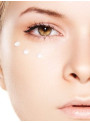
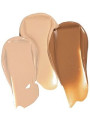
Yes, incorporating BB cream components like pigments (Iron Oxides) and powders (BB Micro Silk) into a sunscreen formula can significantly help to counteract or mask the white cast caused by physical sunscreen filters, particularly Titanium Dioxide. The pigments provide skin-toned coverage, blending the white appearance into the natural skin tone and offering a more natural finish.
5. Choosing UV Filters for UVA/UVB Protection
Both combinations can provide broad-spectrum UVA/UVB protection when formulated correctly at sufficient concentrations:
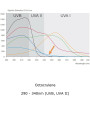
- Zinc Oxide + Titanium Dioxide (Physical): Provides excellent broad-spectrum coverage. Zinc Oxide is particularly good for UVA protection, while Titanium Dioxide covers UVB and shorter UVA wavelengths. The main challenge in a BB formula is managing the white cast, which the BB pigments are intended to address.
- Avobenzone + Octisalate + Octocrylene (Chemical): This combination offers broad-spectrum protection with a lighter feel and no white cast. Octocrylene helps stabilize Avobenzone, which is crucial for maintaining UVA protection. This approach is often favored in BB/CC creams for its texture and finish, sometimes combined with a small amount of Zinc Oxide for enhanced broad-spectrum coverage without significant white cast.
Ultimately, the choice depends on the desired texture, feel, and the level of white cast mitigation achieved by the BB components. For a lightweight, non-white finish, chemical filters are often preferred, potentially with added Zinc Oxide. If using physical filters, ensuring good dispersion and sufficient pigment load from the BB components is key to minimizing white cast.
Mixing Instructions for a High-Silicone BB Sunscreen (Water-in-Silicone Emulsion)
Based on your proposed formula structure with high silicone content, you would typically create a water-in-silicone emulsion using an emulsifier suitable for high silicone levels, such as Warp Cream Maker. The percentages of your ingredients must be adjusted to total 100%. Here is a general mixing method:
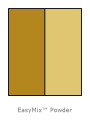
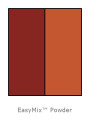
- Silicone/Oil Phase: Combine all silicone ingredients (Cyclomethicone, Dimethicone, Silicone Gel), LipidSoft, AminoSilk, BB Micro Silk, Red and Yellow Iron Oxides, and the emulsifier (e.g., Warp Cream Maker). Mix and disperse the powders (Zinc Oxide, Titanium Dioxide, BB Micro Silk, Iron Oxides) thoroughly in this phase until smooth and uniform. Using a high-shear mixer is recommended for proper dispersion of the powders.
- Water Phase: Combine water and any water-soluble ingredients.
- Emulsification: While continuously mixing the Silicone/Oil Phase, slowly add the Water Phase drop by drop or in a thin stream. Continue mixing until a homogeneous emulsion is formed. Ensure thorough mixing to stabilize the emulsion.
- Final Adjustments: Once the emulsion is formed, you can make final adjustments to color by adding more Iron Oxides if needed, ensuring they are fully dispersed.
Remember to adjust all ingredient percentages to sum up to 100% before mixing. The specific mixing speed and time may need optimization based on the equipment used and the batch size to achieve a stable and smooth texture.
Related Products Mentioned
Light Cream Maker™
Dimethicone (Medium/350, Low-Odor)
Silicone Gel (Ultra Clear, Super Silky)
Pro Polymer™ (Gel Maker)

Satin Cream Maker™
Zinc Oxide 200nm EasyDisperse™
BB Micro Silk™
Octocrylene
Yellow Iron Oxides EasyMix™
Red Iron Oxides EasyMix™
Warp Cream Maker™ (e.q. Nikkomulese wo)
AminoSilk™ (Lauroyl lysine)
LipidSoft™ CC (Cetyl Ethylhexanoate)