Sunscreen Cream Formulation with Vitamin C, Phloretin, and Green Tea (SPF32 PA++)
Question
Please design a sunscreen cream formulation with SPF32 PA++ containing VitC, Phoretin, and Green tea. Thank you very much.
Answer
Sunscreen Cream Formulation with Vitamin C, Phloretin, and Green Tea SPF32 PA++
Creating a stable and effective sunscreen cream with Vitamin C, Phloretin, and Green Tea extract requires careful consideration of ingredient compatibility, especially regarding pH and stability.
Key Ingredients and Considerations:
Vitamin C: While L-Ascorbic Acid is a potent form, it is highly unstable in water and requires a low pH (2.0-4.0) for stability, which can be challenging to formulate in a cream and may affect other ingredients. A more stable water-soluble derivative like Ascorbyl Glucoside (AA-2G) is often preferred for cream formulations, although it requires a specific pH range (6.5-6.8) for optimal stability.
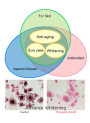
Phloretin (Pure-Phloretin™): This antioxidant can enhance the effectiveness of Vitamin C and provides its own free radical protection. It disperses in cream bases but does not dissolve in water or oil.
Green Tea Extract (Hi-EGCG™): Known for its antioxidant and anti-inflammatory properties, this extract is water-soluble and typically used at a pH between 4.0-6.5. It is sensitive to heat and metal ions.
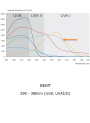
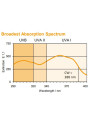
Sunscreen Filters: To achieve SPF32 PA++, a combination of UV filters is necessary to provide broad-spectrum protection against both UVA and UVB rays. Filters like BEMT (Tinosorb S), Bisoctrizole (Tinosorb M), and Octocrylene are commonly used for their effectiveness and stability.
Cream Base (Soft Cream Maker™): A suitable emulsifier system is needed to create the cream texture and ensure the stability of the oil and water phases.
Formulation Challenges:
The primary challenge in combining these ingredients is their differing optimal pH ranges for stability and efficacy. L-Ascorbic Acid requires a significantly lower pH than Ascorbyl Glucoside or Green Tea extract. Formulating with Ascorbyl Glucoside and Green Tea extract together requires finding a compatible pH range, likely between 6.0-6.5, which may not be ideal for either ingredient individually but could be a workable compromise. The stability of the chosen Vitamin C form, Phloretin, and Green Tea extract within the final sunscreen base, especially under UV exposure, must be carefully evaluated.
General Formulation Approach (Conceptual):
A typical approach would involve creating a water phase containing water-soluble ingredients like Ascorbyl Glucoside and Green Tea extract (added during the cool-down phase). An oil phase would contain oil-soluble sunscreen filters and the cream maker, heated to melt the emulsifier. The two phases would be combined and emulsified, followed by cooling and the addition of heat-sensitive ingredients like Phloretin and the pre-dissolved Vitamin C and Green Tea extract, with final pH adjustment.
Please note: Developing a stable and effective sunscreen formulation with a specific SPF and PA rating requires specialized knowledge, precise measurements, and rigorous testing (including in-vivo or in-vitro SPF/PA testing) to ensure both efficacy and stability. The compatibility and stability of all ingredients in the final mixture must be confirmed.
Related Products Mentioned
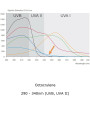
Octocrylene
Soft Cream Maker™
Hi-EGCG™ (Green Tea Extract)