Sunscreen Cream Pilling After Adding Powder
Question
My sunscreen cream formula, based on Light Cream Maker and containing mineral UV filters (Zinc Oxide, Titanium Dioxide), becomes flaky or "pills" after it dries. I added a significant amount of beige foundation powder to the original formula. What could be causing this pilling issue and how can it be fixed?
Answer
Understanding and Fixing Pilling in Your Sunscreen Cream
It sounds like you're experiencing pilling or flaking with your sunscreen cream after it dries. Based on your description and the previous discussion, the most likely reason for this is the addition of a significant amount of beige foundation powder to the original formula.
Here's why this happens and what you can do:
Why Adding Powder Causes Pilling
The original sunscreen formula contains solid mineral sunscreen ingredients like Zinc Oxide and Titanium Dioxide, which are carefully balanced with the liquid (water) and oil (LipidSoft) phases, along with the emulsifier (Light Cream Maker), to create a stable cream that forms a smooth film on the skin. When you add a large amount of extra powder, you significantly increase the total amount of solid particles in the formula.
If the amount of the liquid and oil phases isn't sufficient to properly coat and bind all these extra solid particles together and to the skin, the solid particles can detach from the film as the water evaporates, leading to the cream rolling up or flaking off (pilling).
Potential Solutions
Reduce the Amount of Foundation Powder: The most direct solution is to decrease the quantity of beige foundation powder you are adding. This will bring the solid content closer to the original formula's balance.
Ensure Thorough Blending: As the staff member mentioned, insufficient blending can also contribute to pilling, especially when dealing with powders. Make sure you are blending the mixture adequately to ensure all the powder particles are fully dispersed and incorporated into the cream base. The description for Light Cream Maker also notes that insufficient spinning or stirring can result in a flaky texture.
Optimize Powder Dispersion: Ensure that the Zinc Oxide, Titanium Dioxide, and the added foundation powder are very well dispersed in the oil phase (LipidSoft) before combining with the water phase. Using EasyDisperse™ types of Zinc Oxide and Titanium Dioxide helps with this, but proper mixing technique is still essential, especially with added powder.
Adjust the Oil Phase (LipidSoft): You could potentially try slightly increasing the percentage of the LipidSoft component in your formula (while reducing the water percentage accordingly) to provide more of the binding phase for the solids. However, the Light Cream Maker is designed to handle up to 20% oil phase. Significantly exceeding this might require adjusting the amount of Light Cream Maker or potentially using a different emulsifier designed for higher oil loads, which adds complexity.
Recommendation
Given that you've modified the original formula by adding a significant amount of powder, the best course of action is to consult directly with the staff at MySkinRecipes. Explain the exact amount of foundation powder you added. They can provide specific guidance on how to adjust the original formula's percentages or suggest alternative ingredients or methods to accommodate the higher solid content while maintaining a stable, non-pilling texture.
Related Products Mentioned
Light Cream Maker™
Phenoxyethanol (Extra Pure)
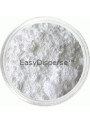

Zinc Oxide 200nm EasyDisperse™
LipidSoft™ CC (Cetyl Ethylhexanoate)