Sunscreen Formula Modification for Acne-Prone Skin
Question
Based on a sunscreen formula using Light Cream Maker and containing Caprylic/Capric Triglyceride (5%), Vitamin B3 (Niacinamide), Titanium Dioxide, and Zinc Oxide, I have the following questions regarding modifications for acne-prone skin:
- If I suspect
Caprylic/Capric Triglycerideis causing breakouts, what are suitable lightweight oil/ester alternatives to replace it, keeping in mind its function (5%) in helpingLight Cream Makeremulsify? - Does
Polysorbate 20(present inLight Cream Maker) tend to clog pores? Are there alternative emulsifiers suitable for acne-prone skin, such asSatin Cream MakerorPro Polymer? - Can I add water-soluble oil control/acne ingredients like
Pure MSMto the water phase of this sunscreen formula? Would this affect the efficacy of the sunscreen filters (Titanium Dioxide,Zinc Oxide) or the added actives?
Answer
Sunscreen Formula Modification Advice for Acne-Prone Skin
Here is a summary and advice regarding your questions about modifying the sunscreen formula, based on your concerns about acne and oily skin:
1. Alternative to Caprylic/Capric Triglyceride
It's understandable that you're looking for an alternative if you suspect Caprylic/Capric Triglyceride is causing breakouts, even though it's generally considered a very lightweight oil/ester and technically not classified as an oil in formulations. It is included in the formula at a low percentage (5%) primarily to help the emulsifier, Light Cream Maker, function correctly.
If you experience acne with this ingredient, you can try replacing it with other very lightweight oils or esters. You would only need a small amount (around 1-3%) to help the emulsifier work. The key is to observe if the cream forms properly when mixing. If it doesn't form a pearly white cream texture, the oil phase might not be compatible or sufficient for the Light Cream Maker.
However, Tea Tree Oil is not recommended as a substitute for the oil phase needed for emulsification. Tea Tree Oil is a highly concentrated essential oil used at very low percentages (typically 0.1-0.5% for facial skin) for its anti-bacterial properties, not as a base oil or emollient for emulsification. Using it at the required percentage for emulsification would likely cause significant skin irritation.
2. Polysorbate 20 and Emulsifier Alternatives
Polysorbate 20, often found in emulsifier blends like Light Cream Maker, is generally considered non-comedogenic and unlikely to clog pores. However, skin sensitivity and reactions are highly individual. If you are concerned or have experienced issues, testing on a small area first is always a good approach.
If you are looking for alternative emulsifiers for acne-prone skin, consider options like Satin Cream Maker or Pro Polymer. These can help create stable cream or gel textures. Satin Cream Maker is a heat-free emulsifier that can handle up to 25% oil and is electrolyte resistant. Pro Polymer is primarily a gel maker that can also create creamy textures and has good electrolyte resistance, though it requires blending for gel formation.
3. Adding Oil Control/Acne Ingredients to the Water Phase
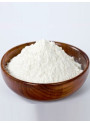
Yes, you can add water-soluble ingredients like Pure MSM or other water-soluble oil-control/acne-fighting ingredients to the water phase of your sunscreen formula. Pure MSM is known for its ability to help control oil production and can offer mild exfoliation at higher concentrations (above 3%). Vitamin B3 (Niacinamide), which is already in your formula, also has benefits for reducing oiliness and improving acne.
The main consideration when adding active ingredients to a sunscreen formula is that the sunscreen filters (like Titanium Dioxide and Zinc Oxide) form a layer on the skin. This layer can potentially reduce the absorption of other active ingredients applied simultaneously. While you can add them, their efficacy might be slightly reduced compared to using them in a non-sunscreen base.
In summary, you have options to adjust the formula based on your skin's needs. For the oil phase, explore other lightweight esters if Caprylic/Capric Triglyceride is an issue. For emulsifiers, Satin Cream Maker or Pro Polymer are potential alternatives if you suspect Light Cream Maker is problematic. And adding water-soluble actives like Pure MSM for oil control is feasible, keeping in mind potential absorption limitations due to the sunscreen.
Related Products Mentioned
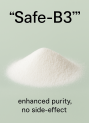
Safe-B3™ (Vitamin B3, Niacinamide)
Light Cream Maker™
Polysorbate 20 (Tween 20)
Tea Tree Oil (Extra Grade, Terpinen‑4‑OL >43%)
Pure MSM™ (Methylsulfonylmethane)
Pro Polymer™ (Gel Maker)

Satin Cream Maker™