Sunscreen Formula Modification for Increased SPF/PA and Longevity
Question
Based on the following sunscreen formula:
- Titanium Dioxide 15nm Liquid (Gloss) - 10%
- Zinc Oxide 35nm Liquid - 10%
- Silicone Blender (ประสานซิลิโคนหลากชนิด) - 3%
- Mild Preserved Eco™ (Ethylhexylglycerin) - 1%
- Silicone Gel (Ultra Clear) - 28%
- น้ำกลั่น ปราศจากเชื้อ - 48%
I want to modify this formula to increase SPF and PA values.
- Can I replace 10% of Silicone Gel with 10% SPF Protect Ultra 2? Would the resulting cream still be stable? If additional ingredients are needed, please advise.
- Alternatively, if I use SPF Protect Ultra 2 instead of Zinc Oxide, but also want to increase the white cast by using powder TiO2 instead of the liquid type in the first ingredient, would the resulting cream still be stable? If additional ingredients are needed, please advise.
I also want to modify this formula to increase its longevity.
- If I want to add Oil Film to make the sunscreen last longer:
- Which ingredient should I replace, and do I need to add any additional emulsifiers?
- If I still want to have some water in the formula, can I still use Oil Film? (Because water is cheaper than Silicone Gel).
- If I want to add Silicone Film to make the sunscreen last longer:
- Can I replace 10% Silicone Gel directly with 10% Silicone Film? Do I need to add any additional emulsifiers?
Answer
Based on the formula provided and your questions:
Increasing SPF and PA
Replacing Silicone Gel with SPF Protect Ultra™ II:
Replacing 10% of Silicone Gel (Ultra Clear) with 10% SPF Protect Ultra™ II is possible to increase SPF/PA. However, Silicone Gel contributes significantly to the texture and feel of the formula. Replacing it will change the texture. Additionally, SPF Protect Ultra™ II is a blend of chemical sunscreens in an ester base. While compatible with water-in-oil systems like your formula, adding a significant amount might affect the stability of the existing emulsion, which relies on the emulsifiers present in the Titanium Dioxide 15nm Liquid and Zinc Oxide 35nm Liquid, as well as the Silicone Blender. You might need to adjust the amount of Silicone Blender or consider adding another water-in-oil emulsifier to maintain stability.Replacing Zinc Oxide and Titanium Dioxide Liquids:
Replacing Zinc Oxide 35nm Liquid with SPF Protect Ultra™ II and replacing Titanium Dioxide 15nm Liquid (Gloss) with a powder form of Titanium Dioxide to increase whiteness is a significant change that will likely affect the stability of your formula.- Replacing Zinc Oxide with SPF Protect Ultra™ II changes the type of UV filter (physical to chemical) and the oil phase composition.
- Replacing the liquid Titanium Dioxide with a powder form (such as pigment grade Titanium Dioxide like Titanium Dioxide 300nm Pigment or Titanium Dioxide 200nm EasyDisperse™) will increase whiteness, but powder forms require proper dispersion in the oil/silicone phase and can be challenging to incorporate stably, especially in an emulsion.
This modification would essentially require a complete reformulation of the emulsification system to ensure stability with the new ingredients and phases. It is unlikely to be stable by simply swapping ingredients.
Increasing Longevity
To increase the longevity and water resistance of your sunscreen formula, you can add a film-forming polymer like Oil Film (Hydrogenated Polycyclopentadiene).
Replacing which ingredient and needing emulsifier:
Oil Film is soluble in silicones and oils, making it compatible with the oil/silicone phase of your formula. You can replace a portion of the Silicone Gel (Ultra Clear) with Oil Film. For example, you could try replacing 5-10% of the Silicone Gel with Oil Film, keeping the total percentage of the oil/silicone phase similar. The existing Silicone Blender should help integrate the Oil Film into the silicone phase and maintain the emulsion, but testing is recommended to ensure stability. An additional emulsifier specifically for the Oil Film might not be strictly necessary if it dissolves well in the existing oil/silicone phase, but monitoring stability is crucial.Using Oil Film with water in the formula:
Yes, you can still use Oil Film even if your formula contains water. Oil Film is designed to create a long-lasting, waterproof film on the skin when the product is applied and the volatile carriers (like Isododecane, which is the base for this Oil Film, and Cyclopentasiloxane from the Silicone Gel) evaporate. As long as the Oil Film is properly dissolved in the oil/silicone phase and your water-in-oil emulsion is stable, the presence of water in the internal phase does not prevent the Oil Film from functioning correctly upon application.
Related Products Mentioned
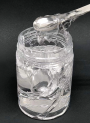
Silicone Gel (Ultra Clear, Super Silky)
Titanium Dioxide 15nm Liquid (Gloss)

Zinc Oxide 35nm Liquid
Silicone Blender