Sunscreen Formula Review for Sensitive/Acne-Prone Skin (Avoiding Cyclopentasiloxane)
Question
I am trying to create a sunscreen formula for sensitive and acne-prone skin. I want to avoid using Cyclopentasiloxane because I had problems with clogging when using a mousse sunscreen containing it. However, my formula includes Dimethicone, which I personally have not had issues with.
Here is my proposed formula:
- Sensitive Cream Maker: 5%
- Fractionated Coconut Oil: 34%
- Zinc Oxide Neutral: 15%
- Titanium Dioxide 200nm Easy Diperse: 9.8%
- Beige Iron Oxide Easy Mix: 3.6%
- Distilled Water: 26.2%
- Allantoin: 1%
- Jojoba Ester: 1.2%
- Natural Bisabolol: 1%
- Di-alpha-Tocopherol: 0.3%
- Ectoin: 2%
- Mild Preserved Eco: 0.9%
Total: 100%
My proposed mixing method is as follows:
- Mix Sensitive Cream Maker, Fractionated Coconut Oil, Zinc Oxide Neutral, Titanium Dioxide 200nm Easy Diperse, and Beige Iron Oxide Easy Mix using heat until dissolved. Add Zinc Oxide, Titanium Dioxide, and Iron Oxide and blend until combined.
- Mix Distilled Water, Allantoin, Jojoba Ester, and Natural Bisabolol until combined.
- Warm the mixtures from step 1 and 2 to similar temperatures. Slowly pour mixture 2 into mixture 1, blending or stirring quickly until fully combined.
- Add Natural Bisabolol, Di-alpha-Tocopherol, and Mild Preserved Eco to the combined mixture and blend again until homogeneous.
I would like to ask:
- Can Sensitive Cream Maker be used as the emulsifier for this cream formulation?
- Are the usage percentages and compatibility of the added active ingredients suitable for this formula?
- Are the proposed mixing steps correct?
Thank you.
Answer
Sunscreen Formula Review
Based on the ingredients and percentages provided, here is a review of your formula:
Ingredient Suitability and Percentages
- Sensitive Cream Maker: Using Sensitive Cream Maker at 5% is within its recommended usage rate (0.5-5%) and it is a suitable emulsifier for sensitive skin, capable of emulsifying up to 40% oil phase. However, your formula has a high total percentage of oil and dispersed powders (Fractionated Coconut Oil, Zinc Oxide Liquid, Titanium Dioxide, Beige Iron Oxide), which appears to be significantly over 40%. While 5% is the maximum recommended rate for Sensitive Cream Maker, the high oil/powder load might challenge the stability of the emulsion. You may need to test stability carefully or consider adjusting the oil/powder phase percentage or using a co-emulsifier if stability issues arise.
- Fractionated Coconut Oil: This is a good choice as a lightweight, non-comedogenic oil for sensitive and acne-prone skin. The percentage used (34%) is within its usage range.
- Zinc Oxide Neutral (Zinc Oxide 35nm Liquid): This is a suitable physical sunscreen filter for sensitive skin and is provided as a liquid dispersion for ease of use. The percentage (15%) is within the recommended range (5-40%). This product contains Dimethicone and PEG-10 Dimethicone, which you mentioned you do not have issues with, and is designed for water-in-oil emulsions, which aligns with your mixing method.
- Titanium Dioxide 200nm Easy Diperse (Titanium Dioxide 200nm EasyDisperse™): Important Note: The description for this specific Titanium Dioxide states it is for makeup products only and not for sunscreen products. Using this ingredient for UV protection in a sunscreen formula is not recommended and will likely not provide adequate or reliable SPF/PA protection. You should replace this with a sunscreen-grade Titanium Dioxide.
- Beige Iron Oxide Easy Mix (Beige Iron Oxides EasyMix™): This is used for color and is compatible with oil/silicone phases. The percentage (3.6%) is within the recommended range.
- Distilled Water: This forms the water phase of your emulsion.
- Allantoin: This ingredient is excellent for reducing irritation and soothing the skin, suitable for sensitive skin. The usage rate of 1% is within the recommended range (0.1-2.0%). While its solubility in water at room temperature is low (0.5%), heating the water phase to 70°C as per your steps should allow 1% to dissolve (solubility up to 4% at 75°C).
- Jojoba Ester (Jojoba Ester (Water-Soluble)): This water-soluble ester acts as a moisturizer and is suitable for the water phase. The percentage (1.2%) is within the recommended range.
- Natural Bisabolol (Natural Bisabolol (Brazil Chamomile)): Known for its anti-irritant properties, this is a good addition for sensitive skin. The usage rate of 1% is the recommended rate. However, its description indicates it is soluble in oil and alcohol, not water. It should ideally be incorporated into the oil phase.
- Di-alpha-Tocopherol (Vitamin E (dl-alpha tocopherol)): An antioxidant that protects the skin. The percentage (0.3%) is within the recommended range. It is oil-soluble and should be added to the oil phase or during the cool-down phase as it is sensitive to prolonged heat.
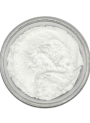
- Ectoin: This is a beneficial active ingredient for cell protection, anti-aging, anti-irritation, and hydration. It is water-soluble and stable with heat and pH. The usage rate of 2% is the recommended rate.
- Mild Preserved Eco (Mild Preserved Eco™ (Preservative-Free)): This is a gentle preservative blend suitable for your formula's pH range (4-9). The usage rate of 0.9% is within the general recommended range (0.5-2.0%). It should be added during the cool-down phase below 80°C.
Mixing Steps Evaluation
Your proposed mixing steps are generally aiming for a water-in-oil emulsion, which is appropriate for the Zinc Oxide Liquid product you are using. However, some adjustments are needed based on ingredient solubility and heat sensitivity:
- Step 1: Mixing the oil phase ingredients (Sensitive Cream Maker, Fractionated Coconut Oil, Zinc Oxide, Titanium Dioxide, Beige Iron Oxide) and heating is correct for melting the emulsifier and dispersing the powders. Correction: Natural Bisabolol should also be added to this oil phase as it is oil-soluble.
- Step 2: Mixing the water phase ingredients (Distilled Water, Allantoin, Jojoba Ester, Ectoin) and heating is correct for dissolving Allantoin and Ectoin. Correction: Natural Bisabolol should not be in this phase.
- Step 3: Slowly adding the heated water phase to the heated oil phase while blending is the correct method for forming a water-in-oil emulsion.
- Step 4: Adding Natural Bisabolol, Vitamin E, and Mild Preserved Eco after emulsification is generally correct for heat-sensitive ingredients and the preservative. Correction: Natural Bisabolol should have been added in step 1. Vitamin E and Mild Preserved Eco should be added during the cool-down phase, ideally below 40°C for Vitamin E and below 80°C for Mild Preserved Eco.
Recommended Mixing Steps
Here are the recommended mixing steps based on the ingredient properties:
- Oil Phase: Combine Sensitive Cream Maker, Fractionated Coconut Oil, Zinc Oxide 35nm Liquid, replace Titanium Dioxide 200nm EasyDisperse™ with a sunscreen-grade Titanium Dioxide, Beige Iron Oxides EasyMix™, and Natural Bisabolol. Heat this phase to approximately 70°C and blend until the emulsifier is melted and powders are well dispersed.
- Water Phase: Combine Distilled Water, Allantoin, Jojoba Ester (Water-Soluble), and Ectoin. Heat this phase to approximately 70°C and stir until Allantoin and Ectoin are fully dissolved.
- Emulsification: Slowly add the heated Water Phase (from step 2) to the heated Oil Phase (from step 1) while blending continuously at high speed until a stable emulsion is formed.
- Cool Down: Continue blending the emulsion while it cools down.
- Final Additions: Once the temperature drops below 40°C, add Vitamin E (dl-alpha tocopherol) and Mild Preserved Eco™. Blend until fully incorporated.
Summary
Your formula uses suitable ingredients for sensitive and acne-prone skin, avoiding Cyclopentasiloxane as requested. Sensitive Cream Maker is a good choice of emulsifier, though the high oil/powder load may require careful stability testing. The percentages of most ingredients are appropriate. The most critical issue is the use of a makeup-grade Titanium Dioxide instead of a sunscreen-grade one, which must be corrected for effective UV protection. The mixing steps need slight modification to correctly incorporate Natural Bisabolol and add heat-sensitive ingredients during the cool-down phase.
Updated Review: May 2026
This section was added after reviewing the original answer against current product availability and formulation knowledge at the stated point in time.
Update 2026-05-24: The main caution in the original answer still applies: Titanium Dioxide 200nm EasyDisperse™ is currently cataloged as a make-up/treatment pigment, so it should not be relied on as the sunscreen-grade TiO2 source for SPF/PA protection. If TiO2 is intended to function as a UV filter, choose a TiO2 material from the SPF / Physical Sunscreen category, such as Titanium Dioxide Transparent (15nm, Water-Dispersion), Titanium Dioxide 15nm Liquid (Gloss), or Titanium Dioxide Transparent (15nm, Dimethicone Coated), selecting the grade/base to match the emulsion system.
Sensitive Cream Maker™ can still be considered for a trial batch and 5% is at its upper usage limit, but current catalog context places it as an Oil-in-Water emulsifier. This formula has a very high oil + mineral UV filter + pigment load, so emulsification success in a small batch does not prove long-term stability or SPF/PA performance. If a W/O or water-in-silicone style sunscreen is desired, consider a current W/O emulsifier system instead.
Zinc Oxide 35nm Liquid is in the SPF / Physical Sunscreen / Zinc Oxide liquid-dispersion category and is more appropriate for a sunscreen role than the make-up-grade TiO2 above, but the exact current base/INCI and compatibility with the selected emulsion type should still be checked. Zinc Oxide, TiO2 and Iron Oxides do not dissolve; they must be thoroughly wetted, dispersed and deagglomerated for stability and reproducible protection.
Process reminders: put Natural Bisabolol in the oil phase; add Tocopherol and Mild Preserved Eco™ during cool-down according to supplier temperature guidance; and check Allantoin 1% for recrystallization after cooling and during storage. Do not assign SPF, PA, UVA/broad-spectrum, water-resistance, non-comedogenic or sensitive-skin claims from the formula on paper. Stability testing, preservative challenge testing and SPF/PA/UVA testing are required before relying on or selling the sunscreen.
Related Products Mentioned

Allantoin

Natural Bisabolol (Brazil Chamomile)
Vitamin E (dl-alpha tocopherol)
Fractionated Coconut Oil
Beige Iron Oxides EasyMix™
Zinc Oxide 35nm Liquid
Mild Preserved Eco™ (Preservative-Free)
Ectoine (Ectoin, from Bio-fermentation)


Sensitive Cream Maker™
Titanium Dioxide 15nm Liquid (Gloss)

Water-in-Oil Max™