Sunscreen Formula Separation: Mousse vs. Water-in-Oil with SPF Protect Ultra™
Question
I am experiencing separation issues with my mousse sunscreen formula using SiliSolve Plus™ and Silicone Blender. The staff mentioned their test in a beaker sealed with plastic wrap remained stable, suggesting the issue might be with my mixing process, equipment, water quality, or packaging.
I am now considering changing the formula entirely. I want to replace all current sunscreen filters with 25% SPF Protect Ultra™ III (UVA+UVB) to achieve SPF 40-50 and use Water-Capsule™ as the emulsifier to create a Water-in-Oil cream.
Will this new approach using 25% SPF Protect Ultra™ III and Water-Capsule™ in a Water-in-Oil cream be a more stable formulation for achieving SPF 40-50 compared to my previous mousse formula, or will it introduce new challenges?
Answer
Addressing Your Sunscreen Separation Issue
It sounds frustrating to keep experiencing separation issues with your mousse sunscreen formula, even after trying the staff's adjusted version. You're considering replacing all the current sunscreens with 25% SPF Protect Ultra™ and using Water-Capsule™ as the emulsifier in a water-in-oil cream.
Based on the conversation, the separation in your original formula likely stems from the challenge of properly emulsifying the water phase within the high percentage of silicone and oil components using the SiliSolve Plus™ and Silicone Blender system. The staff's feedback and adjustments also point to the importance of the correct ratio of ingredients and sufficient mixing power for stability with this type of system.
Let's look at your proposed changes:
- SPF Protect Ultra™ III (UVA+UVB): The product description for SPF Protect Ultra™ III indicates that a 20% usage rate provides approximately SPF 50, and 25% provides approximately SPF 70-100. Therefore, using 25% SPF Protect Ultra™ III in your formula should indeed help you achieve an SPF of 40-50 or higher, providing broad-spectrum protection.
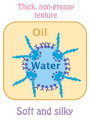
- Water-Capsule™ (Water-in-Oil Cream): Water-Capsule™ is designed to create water-in-oil emulsions, where tiny water droplets are dispersed within an oil phase. This type of emulsion is known for being more water-resistant and providing good coverage, making it suitable for sunscreens and makeup. The description mentions it can create a cream with a relatively low oil content (5-20%), making it less greasy than traditional W/O emulsions. However, the staff previously noted that using Water-Capsule™ would result in a cream-gel texture, not the mousse texture you achieved (and liked) with your original formula before it separated.
Conclusion:
Switching to 25% SPF Protect Ultra™ III is a viable way to achieve your target SPF of 40-50.
However, changing the emulsifier system to Water-Capsule™ will fundamentally change the texture of your product from a mousse to a cream-gel. While a Water-in-Oil system with Water-Capsule™ might offer better stability for sunscreen pigments and potentially be easier to emulsify compared to the specific silicone-based mousse system you were attempting, it will not yield the same mousse texture.
If achieving the mousse texture is critical, you might need to revisit the original formula with SiliSolve Plus™ and Silicone Blender, focusing on the mixing method and potentially adjusting the ratios slightly based on the staff's final suggested adjustments (increasing Silicone Blender to 4% and SiliSolve Plus™ to 0.8% by reducing Silicone Gel). Ensuring adequate and proper mixing (using a suitable blender at the recommended speed and duration) is crucial for stabilizing that type of emulsion.
If you are open to a cream-gel texture and prioritize stability and achieving the SPF target, then using SPF Protect Ultra™ III with Water-Capsule™ could be a more straightforward approach to emulsification for a stable sunscreen.
Related Products Mentioned
Silicone Gel (Ultra Clear, Super Silky)

Zinc Oxide 200nm EasyDisperse™
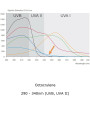
Octocrylene
Beige Iron Oxides EasyMix™
Dimethicone (Light/50, Low-Odor)
Water-Capsule™ (Water-in-Oil Cream)
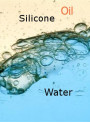
SiliSolve Plus™
Silicone Blender