Sunscreen Formulation: Emulsifier for High Silicone, SPF Calculation, and Adding Ingredients
Question
Based on my sunscreen formula with high silicone content, I have the following questions:
- The staff recommended using
Warp Cream Maker(4-5%) instead ofLight Cream Makerdue to the high silicone. Is this correct? - How is the final SPF calculated when using multiple sunscreen agents like
Zinc Oxide,Titanium Dioxide, andSPF Protect™? Can I just add their individual SPF values? - Can I add ingredients like Aloe Vera Extract, Witch Hazel, and Vitamin E to the formula? I am concerned if these additions will make the product feel oily.
Answer
Sunscreen Formulation Feedback
Regarding your proposed sunscreen formula and questions:
1. Formula Assessment and Adjustments
Your formula includes a good combination of physical sunscreens (Zinc Oxide, Titanium Dioxide) and a chemical sunscreen (SPF Protect™) for broad-spectrum protection. However, the high percentage of silicones (Cyclomethicone and Dimethicone) in your formula requires a specific type of emulsifier to create a stable, non-greasy product.
- Emulsifier: As noted by the staff, Light Cream Maker™ is not suitable for formulas with such high silicone content. You should use Warp Cream Maker™ or Warp Cream Maker™ XL instead, typically at a concentration of 4-5% as recommended by the staff. These emulsifiers are designed for water-in-silicone or water-in-oil/silicone emulsions, which are excellent for achieving a lightweight, non-greasy feel with a dry touch.
- Sunscreen Concentration: The total concentration of sunscreen agents is quite high. While this contributes to a high SPF, formulating with very high levels of physical sunscreens like Zinc Oxide and Titanium Dioxide can sometimes lead to a heavier feel or a white cast, although using nano-sized particles helps minimize this. The staff also mentioned that very high SPF values might exceed practical needs and formulation limits.
2. SPF Calculation
The method of adding the individual SPF contributions of each sunscreen agent (e.g., 2.510 + 210 + 1.75*10) provides a rough theoretical estimate. However, the actual SPF of a finished sunscreen product is complex and depends on many factors, including the specific type and particle size of each sunscreen, how well they are dispersed in the formula, interactions between ingredients, and the thickness of application on the skin. Therefore, the true SPF value must be determined by standardized in-vitro or in-vivo laboratory testing.
3. Adding Additional Ingredients
You can potentially add ingredients like Aloe Vera Extract, Witch Hazel, and Vitamin E, but you need to consider their impact on the formula's stability and feel, especially since you want a non-greasy product.
- Aloe Vera Extract and Witch Hazel are water-soluble. Adding water-based ingredients to a water-in-silicone/oil emulsion (which is what you would create with Warp Cream Maker™) requires careful formulation and mixing to ensure stability and prevent separation. They might also slightly alter the texture.
- Vitamin E is available in both oil-soluble (Vitamin E (Tocopheryl Acetate), Vitamin E (dl-alpha tocopherol)) and water-soluble (Vitamin E (Tocopheryl Acetate) Water-Soluble) forms. Adding oil-soluble Vitamin E would increase the oil/silicone phase. While Vitamin E is typically used at low percentages (0.1-1%) and offers antioxidant benefits, adding too many additional ingredients, particularly those that add 'slip' or moisture, could potentially compromise the desired non-greasy feel, as the staff advised.
If you choose to add these ingredients, it is best to start with low percentages and make small test batches to observe the effect on the texture and stability of the cream.
Related Products Mentioned
Vitamin E (Tocopheryl Acetate)
Vitamin E (dl-alpha tocopherol)
Light Cream Maker™
Dimethicone (Medium/350, Low-Odor)
Aloe Vera Gel (Heavy)
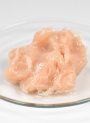
Warp Cream Maker™ (e.q. Nikkomulese wo)
Dimethicone (Light/50, Low-Odor)
Zinc Oxide 35nm Liquid
Aloe Vera Gel (Lite)

SPF Protect Ultra™ II
Dimethicone (Very Light/5, Low-Odor)
Dimethicone (Light/100, Low-Odor)
Titanium Dioxide Nanosil
Warp Cream Maker™ XL