Sunscreen Formulation Feedback and Cost Reduction
Question
I have two sunscreen formulations and some questions:
Face Sunscreen Formula:
- SPF Protect Ultra 20%
- Olive oil 5%
- Homosalate 10%
- Light Cream Maker 2%
- Phenoxyethanol 1%
- Water Guard 5%
- Water
I aim for SPF 40+ and water resistance. Is it possible to make a cream without oil using these UV filters? I also find the texture thick with 2% Light Cream Maker.
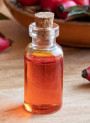
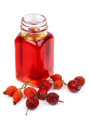
Rose Hip Oil: Would applying Rose Hip Oil to combination/dehydrated skin cause clogged pores?
Body Sunscreen Formula (New Version):
- N-Acetyl-D Glucosamine 4%
- Vitamin B3 2.5%
- Lemon Peel Bioferment 2%
- WaterLock 2%
- MoisT 2.5%
- Titanium Dioxide 15%
- Zinc Oxide 15%
- Light Cream Maker 1.5%
- Phenoxyethanol 1%
- Disodium EDTA 0.2%
- Water Guard 5%
- Water
I want this formula to be sweat-resistant, provide whitening, firming, moisturization for dry skin, and high sun protection due to genetic freckles. I also want to know how to reduce the cost of this body sunscreen formula while maintaining high SPF/PA, sweat resistance, and skin benefits.
Answer
Sunscreen Formulation Feedback
Face Sunscreen Formula
Your proposed face sunscreen formula is:
- SPF Protect Ultra 20%
- Olive oil 5%
- Homosalate 10%
- Light Cream Maker 2%
- Phenoxyethanol 1%
- Water Guard 5%
- Water
You are aiming for SPF 40+ and water resistance.
This formula uses a high concentration of UV filters (SPF Protect Ultra and Homosalate) which will indeed provide a very high SPF, likely exceeding SPF 40+. The inclusion of Water Guard will help make the formula water and sweat resistant, which meets your requirement.
Regarding the texture, using 2% Light Cream Maker can result in a thick cream. Reducing the amount to around 1-1.2% as suggested can help achieve a lighter, more comfortable texture suitable for a face cream.
You asked if you can make a cream without oil. Ingredients like SPF Protect Ultra and Homosalate are oil-soluble or dispersed in oil, so a completely oil-free cream is not feasible with these specific UV filters. Olive Oil is an emollient (a type of oil) and can contribute to the cream's feel and moisturizing properties. If you find it too oily for your skin type, you could consider reducing its percentage or replacing it with a lighter emollient, but some oil phase is necessary for the UV filters.
Rose Hip Oil for Face
You asked if applying Rose Hip Oil to combination/dehydrated skin would cause clogged pores.
Rose Hip Oil is known for its skin-repairing and moisturizing benefits due to its fatty acid content. However, whether an oil will clog pores is highly individual and depends on your specific skin type and how your skin reacts to different oils. Some people with combination or acne-prone skin can use Rose Hip Oil without issues, while others may find it leads to breakouts. The best way to know is to test it on a small area of your skin first.
Body Sunscreen Formula (New Version)
Your new body sunscreen formula is:
- N-Acetyl-D Glucosamine 4%
- Vitamin B3 2.5%
- Lemon Peel Bioferment 2%
- WaterLock 2%
- MoisT 2.5%
- Titanium Dioxide 15%
- Zinc Oxide 15%
- Light Cream Maker 1.5%
- Phenoxyethanol 1%
- Disodium EDTA 0.2%
- Water Guard 5%
- Water
You want this formula to be sweat-resistant, provide whitening, firming, moisturization for dry skin, and high sun protection due to genetic freckles.
This formula incorporates several active ingredients targeting your goals:
- N-Acetyl-D Glucosamine and Vitamin B3 are excellent for whitening and improving skin tone, especially when used together.
- Lemon Peel Bioferment also contributes to whitening and provides antioxidant benefits.
- WaterLock and MoisT (likely a moisturizing ingredient like Trehalose or MOIST72) will help provide moisture and improve skin hydration, addressing your dry skin concern.
- Water Guard is included for sweat resistance.
The combination of 15% Titanium Dioxide and 15% Zinc Oxide will provide very high broad-spectrum UV protection (SPF and PA), which is important for preventing freckles from worsening. However, as noted, a total of 30% physical filters, especially 15% Titanium Dioxide, will likely result in a noticeable white cast on the skin. This might be acceptable for body use, but it's something to be aware of.
Reducing Body Sunscreen Cost
To reduce the cost of the body sunscreen while maintaining high SPF/PA, sweat resistance, and skin benefits, you can consider adjusting the UV filter system.
Physical filters like Titanium Dioxide and Zinc Oxide, especially at high concentrations, can be costly and contribute to the white cast. A common strategy to achieve high SPF/PA with better aesthetics and potentially lower cost is to use a blend of chemical and physical filters.
Instead of using 15% Titanium Dioxide and 15% Zinc Oxide, you could explore a combination like:
- A lower percentage of Zinc Oxide (e.g., 10-15%) for good UVA protection and some SPF.
- A chemical filter blend such as SPF Protect Ultra or SPF Protect Plus (e.g., 10-20%) to boost SPF and UVA protection without significant white cast. SPF Protect Plus might be a more cost-effective option than SPF Protect Ultra.
- Optionally, include Homosalate (e.g., 5-10%) to further boost UVB protection and help dissolve other organic filters.
This approach allows you to achieve high SPF/PA with a lower total percentage of UV filters compared to using only physical filters, which can reduce cost and improve the feel and appearance of the product.
You can keep the beneficial active ingredients (N-Acetyl-D Glucosamine, Vitamin B3, Lemon Peel Bioferment, WaterLock, MoisT) at effective concentrations to address your whitening, firming, and moisturizing goals. The amount of Light Cream Maker, Phenoxyethanol, Disodium EDTA, and Water Guard seem appropriate for the desired texture, preservation, and sweat resistance.
Remember that achieving a specific SPF/PA value requires testing, but adjusting the UV filter blend as suggested can help you balance cost, efficacy, and aesthetics.
Related Products Mentioned
Safe-B3™ (Vitamin B3, Niacinamide)

Olive Oil (Extra Virgin)
GlucoBright™ (Acetyl Glucosamine)
Light Cream Maker™
Phenoxyethanol (Extra Pure)
Disodium EDTA
TreMoisture™ (Trehalose)
Lemon Peel Bioferment (Lemon Skin™)
Zinc Oxide 200nm EasyDisperse™
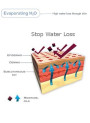
WaterLock™ (Polyquaternium-51)
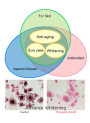
Homosalate
Coenzyme Q10 (98%, Powder, Oil-Soluble)

SPF Protect Ultra™ II
WaterGuard™ Spray
Rosehip Oil (Virgin, Fresh)
Rosehip Oil (Extra Virgin)

SPF Protect Ultra™ III (UVA+UVB)
Kinetin
Tryptic-Soy™