Sunscreen Formulation for Acne-Prone Skin
Question
I need a sunscreen formulation suitable for acne-prone skin that is non-comedogenic and helps to reduce acne and prevent clogged pores. I am interested in using physical sunscreen filters.
Please provide guidance on:
- Recommended physical sunscreen ingredients (like Zinc Oxide and Titanium Dioxide) and specific product examples (e.g.,
Zinc Oxide Transparent Dispersion (C12-15 alkyl benzoate Base),Zinc Oxide 40nm Dispersion (Water Base),Zinc Oxide Transparent Dispersion (Isopropyl Palmitate Base),Zinc Oxide (Ultra-Fine, Non-Yellow, Non-Coated, USP),Titanium Dioxide Transparent (15nm, Water-Dispersion),Titanium Dioxide 30nm SilkTouch™ (Polymethylsilsesquioxane Treated)). - Other beneficial ingredients for acne-prone skin that can be included (e.g., Niacinamide, Salicylic Acid or derivatives like
Safe-B3™ (Vitamin B3, Niacinamide),Safe-B3™ (Vitamin B3, Niacinamide, Switzerland),Extreme-B3™ (Vitamin B3, Niacinamide, Highest Purity),Salicylic Acid (BHA),SalicSoft® (Betaine Salicylate),ActiveRelease™ Salicylic Acid (Powder, Water-Soluble)). - Considerations for the formulation base to ensure it is non-comedogenic.
Answer
Sunscreen Formulation for Acne-Prone Skin
For a sunscreen formulation that helps reduce acne and does not clog pores, Physical Sunscreen is generally recommended over Chemical Sunscreen. Physical sunscreens use mineral filters like Zinc Oxide and Titanium Dioxide, which work by reflecting UV rays away from the skin, making them less likely to cause irritation and clog pores compared to chemical filters.
To create a sunscreen formulation suitable for acne-prone skin, consider incorporating the following ingredients:
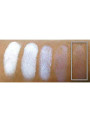
Zinc Oxide: This is a primary physical sunscreen filter that provides broad-spectrum protection against both UVA and UVB rays. Besides its UV filtering capabilities, Zinc Oxide also has anti-inflammatory and soothing properties, which are beneficial for acne-prone skin. Look for dispersed or nano forms of Zinc Oxide, such as Zinc Oxide Transparent Dispersion (C12-15 alkyl benzoate Base), Zinc Oxide 40nm Dispersion (Water Base), or Zinc Oxide Transparent Dispersion (Isopropyl Palmitate Base), which can help reduce the white cast often associated with physical sunscreens and are easier to incorporate into formulations. Zinc Oxide (Ultra-Fine, Non-Yellow, Non-Coated, USP) is also a suitable option.
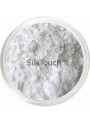
Titanium Dioxide: Another physical filter that primarily protects against UVB rays and some UVA. When combined with Zinc Oxide, it enhances the overall sun protection. Similar to Zinc Oxide, using dispersed or nano forms like Titanium Dioxide Transparent (15nm, Water-Dispersion) or Titanium Dioxide 30nm SilkTouch™ (Polymethylsilsesquioxane Treated) can improve the texture and reduce whiteness.
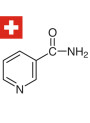
Niacinamide (Vitamin B3): This versatile ingredient offers multiple benefits for acne-prone skin. It helps to reduce inflammation, minimize redness, regulate sebum production (which can help prevent clogged pores), and improve the skin barrier function. Products like Safe-B3™ (Vitamin B3, Niacinamide), Safe-B3™ (Vitamin B3, Niacinamide, Switzerland), or the high-purity Extreme-B3™ (Vitamin B3, Niacinamide, Highest Purity) are excellent choices.
Salicylic Acid (BHA) or Derivatives: Salicylic Acid is a beta hydroxy acid known for its ability to exfoliate the skin, penetrate pores, and dissolve sebum and dead skin cells, thus helping to unclog pores and reduce acne. While traditional Salicylic Acid (BHA) requires specific solvents, water-soluble derivatives like SalicSoft® (Betaine Salicylate) or ActiveRelease™ Salicylic Acid (Powder, Water-Soluble) can be easier to incorporate into water-based or emulsion formulations.
Non-comedogenic Base Ingredients: The choice of oils, silicones, and emulsifiers in the formulation base is crucial. Opt for ingredients known to be non-comedogenic to ensure the final product does not contribute to pore clogging.
By carefully selecting these ingredients and formulating with a non-comedogenic base, you can create a sunscreen that provides effective UV protection while actively helping to manage acne and prevent breakouts.
Related Products Mentioned
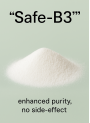
Safe-B3™ (Vitamin B3, Niacinamide)
Salicylic Acid (BHA, Pharma Grade)
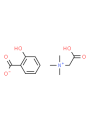
SalicSoft® (Betaine Salicylate)