Sunscreen Formulation for Silk Texture, Oil Control, and Base Color SPF 50
Question
Could you please provide a formula for a sunscreen with SPF 50 that has the following properties:
- Silk texture
- Easy to spread
- Oil control
- Base color
Answer
Sunscreen Formulation for Silk Texture, Oil Control, and Base Color
Creating a sunscreen with a silk texture, oil control, and a base color at SPF50 requires careful formulation. While I cannot provide a complete formula with specific percentages, I can suggest key ingredients and approaches based on your requirements.
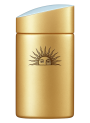
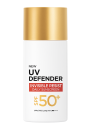
To achieve SPF50, you can either start with a pre-formulated sunscreen base or combine individual UV filters. Products like Pure Physical Sunscreen (SPF50+, PA3+, Water-in-Oil, Non-White), Fluid Light Sunscreen (Compare to Anessa Perfect UV Sunscreen Skincare Milk N SPF50+/PA++++), or Light Invisible Sunscreen (SPF50+, PA++++, Compare to Loreal UV Defender Invisible Fluid) are high-SPF bases that can be customized. Alternatively, you could use a blend of UV filters such as SPF Protect Ultra™ III (UVA+UVB) and formulate your own base.
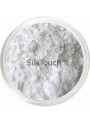
For the desired "silk texture" and "oil control," incorporating powders and mattifying agents is crucial. Titanium Dioxide 30nm SilkTouch™ (Polymethylsilsesquioxane Treated) is an excellent ingredient for providing a soft, silky feel and is often used in makeup for its texture-enhancing properties. Other oil-absorbing powders can also be included.
To add a "base color," you would need to incorporate pigments suitable for cosmetic use. These are typically iron oxides and titanium dioxide, blended to match various skin tones. This step requires careful mixing and testing to achieve the desired shade.
Formulating sunscreens, especially to achieve a specific SPF and texture while ensuring stability and aesthetics, is complex. It often requires testing and adjustments to the ingredient ratios. Always ensure compatibility between all ingredients and follow recommended usage rates for each raw material.
Remember that achieving SPF claims requires in-vitro or in-vivo testing of the final product.
Related Products Mentioned