Sunscreen Formulation Guidance (Physical & Hybrid)
Question
Following up on the ingredient inquiry, I would like guidance on formulating a sunscreen product based on the following requirements:
- Texture: White cream (no foundation mix needed, but slight skin brightening is acceptable).
- Water Resistance: Water/sweat resistant, standard level.
- SPF/PA: SPF 40-50 PA+++.
- UV Filters: Preferably 100% Physical sunscreen, but a hybrid formula with a focus on Physical filters is also acceptable.
- Texture Properties: Non-greasy, non-sticky, easy to spread.
- White Cast: Minimal or no white cast upon application.
Could you please provide 2-3 example formulas, including one that is 100% Physical and another that is a hybrid (predominantly Physical)?
Answer
Formulation Guidance for Serum, Gel, and Sunscreen
Thank you for reaching out with your formulation questions. I understand you are experiencing stability issues with your serum and gel, and are looking for guidance on developing sunscreen formulas. Let's address each point.
Serum Stability (Color and Odor Change)
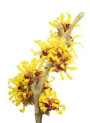
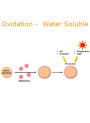
The color and odor changes in your serum, especially under warm conditions, are likely due to the oxidation of sensitive ingredients. Natural extracts like Witch Hazel and potentially Tetrahydrodiferuloylmethane can be prone to degradation over time and when exposed to heat or light. While Disodium EDTA helps by chelating metal ions that can catalyze oxidation, adding dedicated antioxidants can provide further protection.
Consider incorporating antioxidants such as:
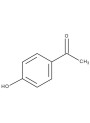
- Hydroxyacetophenone: This ingredient acts as an antioxidant and can help maintain the quality of other ingredients in the formula.
- ActiveProtec™ OX: This is a high-performance antioxidant blend designed to prevent free radical damage and protect against discoloration in various formulations, including those with sensitive whitening agents.
- ChromaDetox™ (Dimethylmethoxy Chromanol): A potent antioxidant that offers broad protection against reactive species, helping to preserve formula integrity and prevent degradation that can lead to color changes.
Adding one or a combination of these antioxidants can significantly improve the long-term stability of your serum, helping to prevent the undesirable color and odor changes.
Gel Stability (Volume Loss)
The volume loss in your gel, particularly in pot packaging, is primarily caused by water evaporation. While vacuum packaging helps, some water loss can still occur over several months, leading to gel shrinkage.
To minimize water evaporation and improve gel stability, you can consider the following approaches:
- Enhance Humectant System: While Sodium Hyaluronate is a good humectant, increasing the concentration or adding other effective humectants can help the gel matrix retain more water. Ingredients like MOIST72™ (Saccharide Isomerate) are known for their long-lasting hydration properties and ability to bind water effectively.
- Incorporate Film Formers: Adding a film-forming polymer can create a barrier on the surface of the gel (or when applied to the skin) that reduces the rate of water evaporation. Allianz OPT (Acrylates/C12-22 Alkyl Methacrylate Copolymer) is an example of a polymer that can provide water and wear resistance.
- Optimize Gelling Agent: Reviewing the gelling agent concentration and type (you are using Natto Gum and potentially AnyGel™ if you are using that product) can also be helpful. Ensuring a robust gel network can physically trap water more effectively. AnyGel™ (Dehydroxanthan Gum) is a water gelling agent known for its stable gel texture.
Combining a strong humectant system with a film-forming agent is often the most effective strategy to combat water loss in gel formulations.
Sunscreen Formulation Guidance
Developing a sunscreen that meets your criteria (white cream, water/sweat resistant, SPF 40-50 PA+++, physical or hybrid, non-greasy, easy to spread, minimal white cast) is achievable. Here are concepts for two types of formulas:
1. 100% Physical Sunscreen Cream
To achieve SPF 40-50 PA+++ using only physical filters, you will primarily rely on Zinc Oxide and Titanium Dioxide. To minimize the white cast and ensure a pleasant texture, it is crucial to use micronized or specially treated versions of these filters.
Key Components:
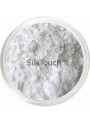
- Physical UV Filters: Use a combination of Zinc Oxide (such as Zinc Oxide (Ultra-Fine, Non-Yellow, Non-Coated, USP)) and Titanium Dioxide (such as Titanium Dioxide 30nm SilkTouch™). The total concentration will depend on the desired SPF/PA level and the specific grades used, but typically ranges from 15-25% or higher.
- Emulsifier System: Choose emulsifiers suitable for creating stable oil-in-water (O/W) or water-in-oil (W/O) emulsions with high solid content (the UV filters). Velvet Cream Maker™ or Sucrose Cream Maker™ are examples of emulsifiers that can help create a pleasant cream texture.
- Film Former: Include a film-forming polymer like Allianz OPT to provide water and sweat resistance.
- Emollients: Select lightweight, non-greasy emollients to improve spreadability and skin feel.
- Texture Modifiers: Ingredients like silicas or powders can help reduce greasiness and provide a matte finish.
Formulating a high-SPF 100% physical sunscreen with minimal white cast requires careful selection of treated UV filters and proper formulation techniques to ensure even dispersion.
2. Hybrid Physical and Chemical Sunscreen Cream
A hybrid formula combines physical filters with chemical filters. This can sometimes offer better texture, spreadability, and potentially higher SPF/PA with lower total filter concentration compared to 100% physical formulas, while still leveraging the broad-spectrum protection of physical blockers.
Key Components:
- Physical UV Filters: Include Zinc Oxide and/or Titanium Dioxide at a lower concentration than in a purely physical formula.
- Chemical UV Filters: Add stable, broad-spectrum chemical filters that are compatible with the rest of the formula. Examples of modern, stable filters include Bis-Ethylhexyloxyphenol Methoxyphenyl Triazine (Tinosorb S) or Diethylamino Hydroxybenzoyl Hexyl Benzoate (Uvinul A Plus). The choice and concentration will depend on the target SPF/PA and regulatory restrictions.
- Emulsifier System: Similar to the physical sunscreen, use an appropriate emulsifier system (e.g., Velvet Cream Maker™, Sucrose Cream Maker™).
- Film Former: Include a film-forming polymer like Allianz OPT for water resistance.
- Emollients and Texture Modifiers: As with the physical formula, select emollients and texture modifiers to achieve the desired feel and finish.
When developing either type of sunscreen, consider the dispersion of UV filters, the stability of the emulsion, and the overall aesthetic properties to meet your requirements for a non-greasy, easy-to-spread cream with minimal white cast and good water resistance.
I hope this guidance is helpful for improving your existing formulas and developing your new sunscreen product.
Related Products Mentioned
Safe-B3™ (Vitamin B3, Niacinamide)
GlucoBright™ (Acetyl Glucosamine)
L-Carnitine (Carnitine)
Disodium EDTA
MOIST72™
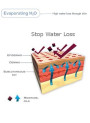
WaterLock™ (Polyquaternium-51)
Natto Gum Extract
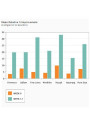
Natural PHA (Gluconolactone)
MSH White™ (Undecylenoyl phenylalanine)

ODA-White Plus™
AnyGel™ (Dehydroxanthan Gum)
ActiveProtec™ OX
Velvet Cream Maker™ (e.q. Sensanov WR)