Sunscreen Formulation: High Water, Minimal Silicone, Specific Filters
Question
I want to formulate a sunscreen with the following UV filters:
- Zinc Oxide EasyDisperse™ 12%
- Titanium Dioxide Nano EasyDisperse™ 6%
- Vitamin E Acetate 0.1%
- OMC 7%
- Octocrylene 7%
I want the formula to have the highest possible water content (O/W emulsion) and minimize silicone (specifically Cyclomethicone), while still being formable and spreadable on the skin. I do not want to use the previous LipidSoft™ base.
Specifically, I need advice on:
- What percentage of Cyclomethicone should be used?
- Which emulsifier(s) and at what percentage should be used to achieve a high-water O/W emulsion with these ingredients?
Answer
Answer to Your Questions
1. Metal Residue in the Beaker
The metallic-colored residue you observed around the beaker is unlikely to be due to the stainless steel impeller dissolving into the cream. Stainless steel is highly resistant to the chemicals typically found in cosmetic formulations, as mentioned by cosmeceutical7.
More probable causes are:
- Abrasion: Since you were making a small amount initially, the impeller might have hit or rubbed against the glass wall of the beaker. This abrasion could cause slight wear on the impeller or detach residue from it due to forceful contact.
- Impeller Quality: Even though it's a well-known brand like Zebra, it's possible the impeller isn't made of a highly durable grade of stainless steel or has a coating that can wear off with friction.
How to address this next time:
- If making very small quantities, consider using a durable spoon or spatula for mixing in the initial stages when the volume is low, to avoid hitting or rubbing the beaker walls.
- Inspect the impeller for signs of wear or discoloration. If present, you might need to consider replacing the impeller or using a mixer more suitable for the volume and consistency of the material being mixed.
2. Water Resistance and Clogging
The sunscreen formula you made contains Zinc Oxide EasyDisperse™ and Titanium Dioxide Nano EasyDisperse™, which are physical sunscreens coated with silicone (Dimethicone/Silica Treated for Titanium Dioxide and Triethoxycaprylylsilane for Zinc Oxide). This coating helps the powder disperse better and contributes to the formula being water-resistant to some extent, as explained by cosmeceutical7.
The difficulty in washing it off is typical for water-resistant sunscreens. This is beneficial as it helps the sunscreen stay on the skin longer, but it's a drawback as it can increase the potential for clogged pores if the skin is not cleansed thoroughly enough.
Using Bioderma Micellar Water to pre-cleanse before washing your face is a good first step for removing this type of sunscreen. However, wiping until the cotton pad is clean doesn't guarantee that all residue is removed, especially with highly water-resistant sunscreens. It's recommended to follow up with a facial cleanser that can effectively remove sunscreen (e.g., a cleanser containing surfactants that help wash away oils and silicones) to reduce the risk of clogging.
3. Contamination During Mixing
Maintaining cleanliness during cosmetic production is crucial. The splashing of the mixture onto a finger that had touched a mobile phone is a source of microbial contamination from the environment into the cream. Although you added a preservative (Phenoxyethanol), preservatives inhibit microbial growth but do not instantly kill all contaminants. The effectiveness of the preservative can also be reduced by significant contamination.
For good safety and hygiene, it is not recommended to use the batch of cream that was potentially contaminated on your face, especially if you are prone to acne. Contamination can lead to the growth of microorganisms in the product, which might cause the cream to spoil prematurely or lead to skin problems.
4. Phase Separation
Slight separation after packaging might be due to the emulsion not being fully stable or changes in temperature/handling. The fact that it re-emulsifies after shaking indicates that the emulsion still has some stability.
How to fix this next time:
- Increase the amount of Light Cream Maker (or the Emulsifier/Thickener you are using) slightly, as suggested by cosmeceutical7. For example, increase from 1% to 1.5% or follow the usage recommendations for the specific ingredient to help improve emulsion stability.
- Ensure your mixing method is correct and that you are blending thoroughly in each step until the mixture is uniform.
- The temperature during mixing and storage also affects emulsion stability. Mix at the appropriate temperature and store in a place with a stable temperature.
For the cream that separated slightly but re-emulsified after shaking, if there are no unusual smells, color changes, or signs of microbial contamination (like mold or sliminess), it might still be usable. However, its stability may not be as good as a batch that did not separate, and you should observe your skin for any adverse reactions when using it.
Improving the Sunscreen Formula (High Water, Minimal Silicone)
Based on your requirement for a sunscreen containing Zinc Oxide EasyDisperse™ 12%, Titanium Dioxide Nano EasyDisperse™ 6%, Vitamin E Acetate 0.1%, OMC 7%, Octocrylene 7%, with high water content, minimal silicone, easy spreading, and no LipidSoft™.
It's important to note that Zinc Oxide 200nm EasyDisperse™ (ID 248) is recommended to be dispersed in Cyclomethicone (ID 171) at a 1:1 ratio for optimal performance. This means that if using Zinc Oxide 12%, you might need up to 12% Cyclomethicone just for dispersion, which would result in a relatively high amount of silicone in the formula, potentially contradicting the "minimal silicone" requirement.
If you truly want to minimize silicone, you might need to consider using non-coated types of Zinc Oxide and Titanium Dioxide, which are harder to disperse and can cause more whiteness on the skin, or use other non-silicone emollients to aid dispersion instead of Cyclomethicone.
However, if you still wish to use the EasyDisperse™ types of Zinc Oxide and Titanium Dioxide as specified, and want a formula with the highest possible water content (an O/W Emulsion) with minimal added silicone (beyond the coating and dispersion of Zinc Oxide), you can adjust the formula as follows, using an Emulsifier/Thickener that creates a good O/W cream texture and is compatible with the ingredients.
Example Formula Structure (O/W Emulsion, High Water):
Water Phase:
- Water: Adjust to 100%
- Disodium EDTA (ID 184): 0.1-0.2% (Helps chelate metal ions in water, improves stability)
- Emulsifier/Thickener: Choose one that forms a gel or cream texture in the water phase and helps emulsify oil.
- CreamMaker EG™ (ID 125247): 1.5-2.5% (Acts as both Thickener and Emulsifier, easy to use with Cold Process)
- Or Aristoflex AVC (ID 7446): 0.5-1.5% (Acts as a Thickener, forms a gel in water, helps emulsify oil to some extent)
- Phenoxyethanol (ID 155): 0.5-1.0% (Preservative)
Oil Phase / UV Filters:
- OMC (ID 523): 7%
- Octocrylene (ID 268): 7%
- Vitamin E Acetate (ID 65): 0.1% (Antioxidant for the formula)
- Zinc Oxide 200nm EasyDisperse™ (ID 248): 12%
- Titanium Dioxide 200nm EasyDisperse™ (Dimethicone/Silica Treated) (ID 236): 6%
- Cyclopentasiloxane (Low-Odor Cyclomethicone) (ID 171): 12% (Used for dispersing Zinc Oxide according to manufacturer's recommendation)
- Other Emollient/Oil (Non-LipidSoft™ and Non-Silicone): You can add 1-5% to help disperse Titanium Dioxide and adjust texture (choose an oil or ester compatible with your UV filters and chosen emulsifier).
Mixing Procedure (Example using CreamMaker EG™):
- In Beaker 1: Combine Water + Disodium EDTA + CreamMaker EG™. Mix or blend until a gel forms (CreamMaker EG™ can disperse in cold water).
- In Beaker 2: Combine OMC + Octocrylene + Vitamin E Acetate + Other Emollient/Oil (if used). Mix until combined.
- In a separate container: Disperse Zinc Oxide 200nm EasyDisperse™ in Cyclopentasiloxane at a 1:1 ratio (e.g., 12g Zinc Oxide + 12g Cyclopentasiloxane). Blend until well dispersed.
- In a separate container: Disperse Titanium Dioxide 200nm EasyDisperse™ in the Other Emollient/Oil or a small portion of the mixture from step 2. Blend until well dispersed.
- Gradually add the mixtures from steps 2, 3, and 4 into the water phase (Beaker 1) little by little while blending at medium speed until a uniform emulsion is formed.
- Add Phenoxyethanol and blend until fully incorporated.
Please Note:
- This formula will still contain silicone from the Zinc Oxide EasyDisperse™, Titanium Dioxide EasyDisperse™, and the Cyclopentasiloxane used to disperse the Zinc Oxide. This is necessary for the EasyDisperse™ physical filters to disperse well and be effective.
- If you require significantly less silicone, you would need to switch to Non-Coated types of physical filters and find a suitable dispersion method (which might require stronger mixing tools and longer mixing times) or consider using only chemical filters.
- The amount of Emulsifier/Thickener (CreamMaker EG™ or Aristoflex AVC) can be slightly adjusted to achieve the desired texture and viscosity and improve formula stability.
- Testing the formula in small batches before making a large one is always important to check compatibility and stability.
I hope this information helps you understand the issues you encountered and provides guidance for improving your formula next time.
Related Products Mentioned
Vitamin E (Tocopheryl Acetate)
Phenoxyethanol (Extra Pure)
Disodium EDTA

Zinc Oxide 200nm EasyDisperse™
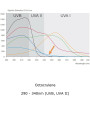
Octocrylene
Aristoflex AVC