Sunscreen Formulation Issues: Clogged Pores and Packaging Compatibility
Question
I am developing a sunscreen formulation using Zinc Oxide 200nm EasyDisperse™ and Titanium Dioxide 200nm EasyDisperse™ (both silicone-coated). I have encountered two issues:
- Clogged Pores: Users are experiencing clogged pores after using the product.
- Packaging Compatibility: The plastic cap of the Olay bottle used for storage is melting.
I am also using LipidSoft™ and Phenoxyethanol at 1% in the formula. Could these ingredients be causing the issues? Are there alternative sunscreen bases like SPF Protect Ultra™ II or SPF Protect Ultra™ III (UVA+UVB) that might help resolve these problems? What is the best way to wash off this type of sunscreen to prevent clogged pores?
Answer
Sunscreen Types: Pros and Cons
Physical Sunscreens
- How they work: Sit on top of the skin and physically block/reflect UV rays (UVA and UVB). Common ingredients include Zinc Oxide and Titanium Dioxide.
- Pros: Generally considered gentle and less likely to cause allergic reactions, good for sensitive skin. Provide broad-spectrum protection.
- Cons: Can sometimes leave a white cast on the skin, especially at higher concentrations or with larger particle sizes. Water-resistant versions (like those with silicone coatings) can be difficult to wash off and may contribute to clogged pores if not removed properly. Can sometimes "ball up" or pill when layered over other skincare products that haven't fully absorbed.
Chemical/Organic Sunscreens
- How they work: Absorb UV rays and convert them into heat, which is then released from the skin. Common ingredients include Octinoxate, Avobenzone, Octocrylene, and Benzophenone-3.
- Pros: Tend to have lighter textures and don't leave a white cast. Easier to formulate into elegant textures.
- Cons: Some people may be sensitive or allergic to certain chemical filters. Some filters can degrade over time when exposed to sunlight, potentially reducing effectiveness. Some concerns exist about absorption into the bloodstream, although regulatory bodies generally consider approved filters safe for use.
Hybrid Sunscreens
- How they work: Combine both physical and chemical filters to offer the benefits of both.
- Pros: Provide broad-spectrum protection. Can offer a better balance of texture (less drying than physical-only, less oily than chemical-only) and reduced white cast compared to physical-only formulas. Often highly stable and effective.
- Cons: May still require thorough cleansing depending on the specific filters and formulation.
Recommended Sunscreen Formulas
Based on the discussion and the desire to avoid acne while getting effective protection, a hybrid formula is a good choice. Two options mentioned are:
- SPF Protect Ultra™ II: This is a hybrid sunscreen base designed for high efficiency with less consumption and a light feel without needing alcohol. It's highly stable.
- SPF Protect Ultra™ III (UVA+UVB): This is another hybrid sunscreen base offering high SPF and broad-spectrum UVA/UVB protection. It's easy to incorporate into formulas and is not sticky.
These bases contain a blend of chemical filters (like Octyl methoxycinnamate, Bis-Ethylhexyloxyphenol Methoxyphenyl Triazine, Diethylamino Hydroxybenzoyl Hexyl Benzoate, Octocrylene, Butyl Methoxydibenzoylmethane, Ethylhexyl Triazone) and potentially physical filters or other components within the base itself, providing comprehensive protection.
How to Wash Off Sunscreen
To prevent clogged pores, especially when using water-resistant sunscreens (both physical and hybrid types), it is crucial to cleanse your skin thoroughly at the end of the day. A simple foam cleanser may not be enough to remove all sunscreen residue, particularly the silicone-coated physical filters.
The recommended method is double cleansing:
- First Cleanse (Makeup Remover): Use a product specifically designed to dissolve makeup and sunscreen. Options include:
- MakeUp-Wash™: A gentle detergent that forms micelles in water to remove makeup and dirt from pores without drying the skin.
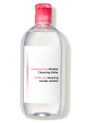
- Encapsulated Micellar Cleansing Water (e.q. Bioderma): A highly effective yet gentle micellar water that can remove makeup thoroughly without irritating the eyes or skin.
Apply the makeup remover to dry or damp skin (depending on the product type) and gently massage to dissolve sunscreen and impurities. Rinse thoroughly with water.
- Second Cleanse (Regular Cleanser): Follow with your usual facial foam or cleanser to remove any remaining residue and clean the skin.
This two-step process ensures that water-resistant sunscreen is fully removed, significantly reducing the risk of clogged pores and acne.
Related Products Mentioned
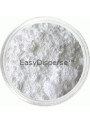

Zinc Oxide 200nm EasyDisperse™

LipidSoft™ CC (Cetyl Ethylhexanoate)

LipidSoft™ Palm (Ethylhexyl palmitate)


SPF Protect Ultra™ II