Sunscreen Formulation Issues: Separation and Texture
Question
I am trying to formulate a sunscreen product and am encountering issues with separation and a poor texture that looks like "fish roe". I want to fix these problems and potentially keep Centella Asiatica Extract in the formula.
My current formula includes:
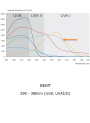
- BEMT (Tinosorb S) 2%
- OMC 7.5%
- DHHB
- Distilled Water 9.5%
- GlucoBright
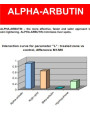
- Alpha Arbutin
- Safe-B3
- Vitamin E (Tocopheryl Acetate) 0.4%
- SiliSolve Plus
- Silicone Blender
- Oil-Fix
- Centella Asiatica Extract
What are the potential causes for the separation and texture issues, and how can I modify the formula to achieve a stable product, ideally keeping the Centella Asiatica Extract?
Answer
Subject: Improving Sunscreen Formula
Hello,
Thank you for reaching out regarding your sunscreen formula issues. We understand you're experiencing separation and a poor texture ("fish roe") and want to improve the formula while keeping Centella Asiatica Extract.
Based on the formula you provided and the analysis by our team, the main issues causing the separation and poor texture are:
- Insufficient Solvent for UV Filters: Your formula uses 2% BEMT (Tinosorb S), but the amount of OMC (7.5%) is not enough to fully dissolve it. OMC can only dissolve BEMT up to 17% of its weight, meaning 7.5% OMC can only dissolve about 1.275% BEMT. Proper dissolution, often requiring heat, is crucial for the stability and effectiveness of these filters.
- Water Incompatibility: The formula contains 9.5% distilled water. This formula appears to be primarily silicone/oil-based, and the presence of water without a suitable emulsification system designed for a stable water-in-oil or oil-in-silicone emulsion is causing the water phase to separate from the oil/silicone phase. This separation is likely what you observe as the "fish roe" texture.
- Water-Soluble Ingredients: Ingredients like GlucoBright, Safe-B3, and Alpha Arbutin are water-soluble. Since the water phase is separating, these ingredients cannot remain stably dispersed in the formula.
- Excessive Vitamin E: Using Vitamin E (Tocopheryl Acetate) at 0.4% can contribute to stickiness in the final product. Our team recommends reducing it to no more than 0.1%.
Regarding the Centella Asiatica Extract (which is typically water-soluble), its presence in the water phase exacerbates the separation issue when the water phase is not properly emulsified into the oil/silicone base.
To address these issues and improve your formula:
- Remove Water and Water-Soluble Ingredients: As advised by our team, the most critical step for this formula type is to remove the distilled water and all water-soluble ingredients (GlucoBright, Safe-B3, Alpha Arbutin, and the standard water-soluble Centella Asiatica Extract).
- Adjust UV Filter Dissolution: Ensure BEMT and DHHB are fully dissolved in the oil phase (like OMC) using heat if necessary, and within their solubility limits. Given the complexity, especially for beginners, our team suggested considering pre-mixed sunscreen bases like SPF Protect Ultra™ II or Titanium Dioxide 15nm Liquid, which are easier to incorporate.
- Reduce Vitamin E: Lower the concentration of Vitamin E to 0.1% or less.
- Emulsification: Ensure your emulsifiers (Silicone Blender, SiliSolve Plus, Oil-Fix) are used correctly to stabilize the silicone/oil phase. However, without a water phase, the primary issue becomes keeping the oil/silicone phase homogeneous and suspending powders.
Including Centella Asiatica Extract:
Since the standard Centella Asiatica Extract is water-soluble, keeping it in a formula without a stable water phase is challenging. If you want to include Centella Asiatica Extract, you would likely need to reformulate into a different type of emulsion (e.g., a stable water-in-oil or oil-in-water emulsion) that can properly incorporate both water-soluble and oil-soluble ingredients, as well as the UV filters and powders. Alternatively, you could explore if an oil-soluble version of Centella extract is available.
Given that you've invested significantly and are facing challenges, moving to a simpler base like the pre-mixed sunscreens suggested by our team might be a good starting point before attempting complex formulations with multiple individual UV filters and water-soluble botanical extracts.
We hope this explanation helps clarify the issues and provides direction for improving your formulation. Please let us know if you would like to explore alternative formula types or have more questions.
Related Products Mentioned
Vitamin E (Tocopheryl Acetate)
Alpha Arbutin (Switzerland)
Safe-B3™ (Vitamin B3, Niacinamide)
GlucoBright™ (Acetyl Glucosamine)
Silicone Gel (Ultra Clear, Super Silky)

Zinc Oxide 200nm EasyDisperse™

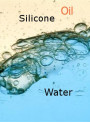
SiliSolve Plus™
Titanium Dioxide 15nm Liquid (Gloss)
Silicone Blender
Mild Preserved Eco™ (Preservative-Free)

SPF Protect Ultra™ II