Sunscreen Formulation Questions
Question
Regarding a sunscreen formulation, I have several questions:
1. What is the recommended mixing procedure, especially concerning liquid/gel ingredients versus powder ingredients?
2. Is it necessary to use heat during the mixing process?
3. Is SiliSolve (ID 408) or SiliSolve Plus (ID 680) necessary for this formula, particularly considering the use of liquid Titanium Dioxide and Zinc Oxide which already contain SiliSolve? Which version is recommended if needed?
4. Can water be added to the formula, and how would it affect the texture? Is there a maximum amount of water, or which ingredient should be replaced?
5. Is Polyethylene Wax (ID 1195) or WaterGuard Lite (ID 287) needed for water resistance, or does the high silicone content provide sufficient water resistance? What about the compatibility of WaterGuard Lite with a silicone base?
Answer
Sunscreen Formulation Questions
Based on the staff's response regarding your sunscreen formulation:
Mixing Instructions: Mix all liquid and gel ingredients together first and blend until homogeneous. Then, gradually add the powder ingredients and blend until fully incorporated.
Mixing without Heat: The staff recommends using heat during mixing. This is because heat helps the sunscreen ingredients disperse better within the formula, which is expected to improve their efficacy, even if you remove the Polyethylene Wax.
Necessity of SiliSolve: SiliSolve (or rather, SiliSolve Plus) is necessary for this formula. Although the liquid Titanium Dioxide and Zinc Oxide contain SiliSolve for their own dispersion during manufacturing, adding SiliSolve Plus to your overall formula helps ensure the sunscreen particles are well-dispersed throughout your final product for optimal sun protection. The staff specifically recommends using SiliSolve Plus (ID 680) instead of SiliSolve (ID 408) because your formula contains oil.
Adding Water: You can add water to the formula. Adding water will result in a creamier texture. If you do not add water, the texture will be more like a silky gel due to the high amount of Silicone Gel (ID 201). The staff did not specify the maximum amount of water or which ingredient to replace if adding water.
Regarding your follow-up question about WaterGuard Lite:
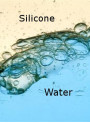
The staff's response suggests that the high amount of silicone in your original formula already provides sufficient water resistance by forming a film on the skin. Therefore, they believe that adding Polyethylene Wax (ID 1195) specifically for water resistance is not necessary. While the staff did not explicitly comment on replacing Polyethylene Wax with WaterGuard Lite (ID 287) or its compatibility with a silicone base, their overall point is that additional water-resistant additives might not be needed given the existing silicone content providing adequate water resistance.
Related Products Mentioned
Phenoxyethanol (Extra Pure)
Silicone Gel (Ultra Clear, Super Silky)
WaterGuard™ Lite
LipidSoft™ CC (Cetyl Ethylhexanoate)
Beige Iron Oxides EasyMix™
SiliSolve Plus™
Titanium Dioxide 15nm Liquid (Gloss)
Zinc Oxide 35nm Liquid
Silicone Blender