Sunscreen Formulation: Reducing Oiliness
Question
I have created a sunscreen formula using various silicones, UV filters (Zinc Oxide, Titanium Dioxide), and powders (Mica, BB Micro Silk, Iron Oxides). After mixing, the formula feels very oily when tested with blotting paper. How can I modify the formula or add ingredients to reduce this oily feel?
Answer
Analysis of Your Formula
Your formula contains a significant amount of silicone-based ingredients, totaling over 60%:
- Silicone Gel (Ultra Clear)
- Silicone Blender
- SiliSolve™ (PEG-10 Dimethicone)
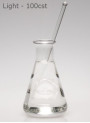
- Dimethicone (Light/100, Low-Odor)
- Cyclopentasiloxane (Low-Odor Cyclomethicone)
- Hair Silk
While silicones like Cyclopentasiloxane are volatile and evaporate quickly, providing a light initial feel, a high percentage of non-volatile silicones (like the base of Silicone Gel, Dimethicone, and Hair Silk) will remain on the skin, contributing to a smooth but potentially heavy or oily feel.
Additionally, you are using mineral UV filters:
- Zinc Oxide 200nm EasyDisperse™
- Titanium Dioxide 300nm Pigment (Non-Treated)
Physical sunscreens like Zinc Oxide can sometimes feel heavier or appear shinier than chemical sunscreens. The Titanium Dioxide you are using is described as a pigment for makeup, not specifically a UV-grade treated powder for sunscreen, which might also affect the texture and feel in a sunscreen application.
You also have a high percentage of powders (Mica Powder, BB Micro Silk™, Beige Iron Oxides EasyMix™). While powders can help absorb oil, a very high load in a silicone base can sometimes contribute to a specific texture that, combined with the silicones, feels less desirable.
Suggested Adjustments to Reduce Oiliness
To reduce the oily feel, consider the following modifications:
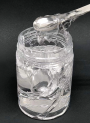
- Reduce Total Silicone Content: The most impactful change would be to lower the overall percentage of silicones, especially the non-volatile ones. The 48.7% Silicone Gel is a major component contributing to the feel.
- Adjust Silicone Ratios: While reducing total silicones, you could potentially increase the ratio of volatile silicones like Cyclopentasiloxane relative to the non-volatile ones to improve the initial lightness and dry-down feel. However, be mindful of regulatory limits on volatile silicones.
- Optimize UV Filter Selection and Dispersion:
- Ensure the Zinc Oxide and Titanium Dioxide are perfectly dispersed in the silicone phase. Proper dispersion is key for both efficacy and feel.
- Consider using a surface-treated Titanium Dioxide specifically designed for sunscreen applications in silicone bases. This type is formulated to disperse better and contribute to a more pleasant feel in sunscreen formulas compared to pigment grades.
- Incorporate Oil-Absorbing Powders: While you have powders, consider adding or increasing the percentage of powders known for high oil absorption, such as certain types of Silica or Polymethylsilsesquioxane. You could potentially slightly reduce the Mica percentage if needed, as 15% is quite high.
- Review Emulsification (if applicable): If there is a water phase in your formula (implied by the use of SiliSolve™), optimizing the water-in-silicone emulsification system and the ratio of silicone to water can also influence the final texture and oiliness.
By adjusting the types and percentages of silicones, ensuring optimal dispersion of your UV filters (and potentially using UV-specific grades), and incorporating effective oil-absorbing powders, you should be able to significantly reduce the oily feel of your sunscreen formulation.
Related Products Mentioned
Silicone Gel (Ultra Clear, Super Silky)
Zinc Oxide 200nm EasyDisperse™
BB Micro Silk™
Beige Iron Oxides EasyMix™
Hair Silk
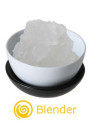
Silicone Blender
Mild Preserved Eco™ (Preservative-Free)

SPF Protect Ultra™ II
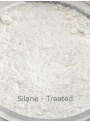
Mica Powder (20 Micron, Silane Coated)