Sunscreen Formulation: Replicating Wet Force & Water Resistance
Question
I am trying to replicate the formula of Shiseido Perfect UV Protector. I have the following questions:
- Can I increase water resistance like the WET FORCE technology?
- What ingredients are needed to achieve this?
- What are the general steps involved in formulating such a product, considering the high oil phase and low water phase in my current attempt?
I am particularly interested in using ingredients like SPF Protect Ultra II and Zinc Oxide, and understanding how to incorporate elements like Trimethylsiloxysiloxysilicate (Silicone Film) for water resistance.
Answer
Subject: Regarding Shiseido Perfect UV Protector Formula
Thank you for your inquiry about the Shiseido Perfect UV Protector formula and the "Wet Force" technology.
Based on the information you provided and the staff's reply:
- What is Wet Force? The "Wet Force" technology, as explained by the staff, involves using ingredients like Trimethylsiloxysilicate (Silicone Film) to create a water-resistant film on the skin, enhancing sun protection when exposed to water or sweat.
- Can you make it yourself? Replicating a complex commercial formula like this, especially one with specific technologies like Wet Force, is very challenging. As the staff mentioned, your proposed formula has a high oil phase and low water phase, which makes emulsification difficult. Creating stable and effective cosmetic products requires specific formulation knowledge, equipment, and quality control.
- What ingredients are needed? You've identified the key active sunscreen ingredients: Octinoxate (Ethylhexyl Methoxycinnamate), Octocrylene, Titanium Dioxide, and Zinc Oxide. The full ingredient list you provided is extensive and includes various silicones, emollients, thickeners, powders, and other functional ingredients. For water resistance similar to Wet Force, Trimethylsiloxysilicate (Silicone Film) is a key ingredient, as noted by the staff. The staff also suggested SPF Protect Ultra II as a primary sunscreen base.
- What are the steps? Formulating a product with such a complex mix of oil, water, powders, and film-forming ingredients requires advanced cosmetic formulation techniques, including specific heating, mixing, and emulsification steps, as well as proper dispersion of powders and UV filters. Providing a simple step-by-step guide for this is not feasible due to the complexity and the need for specialized knowledge to ensure stability, efficacy, and safety.
- Can water resistance be added? Yes, water resistance can be added to a sunscreen formula by incorporating film-forming polymers, such as Trimethylsiloxysilicate (Silicone Film), as suggested by the staff for the Wet Force effect.
In summary, while you can source many of the individual ingredients, replicating the exact Shiseido Wet Force formula and achieving its performance and stability is a complex task best left to experienced formulators. For DIY sunscreen, it is often recommended to start with simpler formulations or pre-mixed bases, and always perform proper testing (like SPF and water resistance testing) if aiming for specific claims, which requires specialized equipment.
Related Products Mentioned

Zinc Oxide 200nm EasyDisperse™
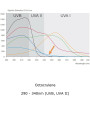
Octocrylene

SPF Protect Ultra™ II