Sunscreen Formulation Review and Manual Mixing Feasibility
Question
I am planning to produce a sunscreen cream and would like you to review the formula first. I aim for SPF50+ PA++++ with a lightweight, easy-to-spread texture, medium coverage, and a dewy finish.
Initially, I might order the ingredients to try mixing a small batch myself to check the texture before proceeding with production, but I do not have a cream mixer. I would like to ask if a formula like this can be mixed manually by hand.
Here is the formula:
- Water 29.5%
- Silicone Gel (Ultra Clear) 16%
- Titanium Dioxide 15nm Liquid 15%
- Zinc Oxide 35nm Liquid 15%
- Synthetic Fluorphlogopite (Methicone) 5%
- Alumina 5%
- BB Micro Silk 5%
- Silicone Blender 4%
- PMMA Booster 3%
- SiliSolve 1%
- Mild Preserved Eco 1%
- Beige Iron Oxide EasyMix 0.5%
Answer
Sunscreen Formulation Review
Your formula is designed as a physical sunscreen with a focus on a lightweight, easy-to-spread texture, medium coverage, and a dewy finish, aiming for SPF50+ PA++++.
- UV Protection: The combination of Titanium Dioxide 15nm Liquid (15%) and Zinc Oxide 35nm Liquid (15%) provides broad-spectrum UVA/UVB protection. These are physical sunscreens in liquid dispersion form, suitable for water-in-oil or water-in-silicone systems. The inclusion of PMMA Booster (3%) is also appropriate for enhancing SPF/PA values. Achieving SPF50+ PA++++ is plausible with these concentrations and the booster, but would require laboratory testing to confirm.
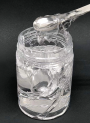
- Texture and Feel: Ingredients like Silicone Gel (Ultra Clear), Silicone Blender, and SiliSolve are included to create a lightweight, smooth, and non-sticky feel, improving spreadability. The descriptions confirm these properties.
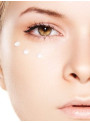
- Coverage and Finish: Titanium Dioxide, Zinc Oxide, Synthetic Fluorphlogopite, Alumina, BB Micro Silk, and Beige Iron Oxides EasyMix contribute to coverage, blurring effects, and the desired dewy/shiny finish. Synthetic Fluorphlogopite is specifically noted for adding brightness and shine. BB Micro Silk helps conceal wrinkles and pores, and Alumina provides a soft, smooth feel.
Overall, the ingredient selection and percentages align well with your stated goals for the sunscreen.
Manual Mixing Feasibility
You asked if this formula can be mixed manually without a cream mixer.
This formula is a complex emulsion, likely a water-in-silicone or water-in-oil type, given the high silicone content and the use of SiliSolve as a water-to-silicone binder. It also contains a significant amount of dispersed solid particles (Titanium Dioxide, Zinc Oxide, Synthetic Fluorphlogopite, Alumina, BB Micro Silk, PMMA Booster, Iron Oxide).
While some ingredients like Beige Iron Oxides EasyMix are designed for easy manual dispersion, creating a stable and homogeneous emulsion with such high levels of dispersed powders typically requires mechanical mixing that provides sufficient shear force.
Challenges with Manual Mixing:
- Emulsion Stability: Forming a stable water-in-silicone/oil emulsion requires high shear to break the internal phase (water) into very small droplets and disperse them evenly within the external phase (silicone/oil). Manual stirring is unlikely to provide enough energy for this, potentially leading to an unstable emulsion that separates over time.
- Powder Dispersion: Ensuring that all the powder ingredients, especially the UV filters (Titanium Dioxide and Zinc Oxide liquids, which are dispersions of solid particles), are uniformly dispersed throughout the emulsion is crucial for both texture and efficacy (even UV protection). Manual mixing may result in clumping or uneven distribution of these particles.
- Texture: Achieving the desired lightweight, smooth, and non-gritty texture relies on proper emulsification and dispersion. Manual mixing might result in a less refined texture.
- SiliSolve Mixing: The instructions for SiliSolve recommend adding the water phase gradually to the silicone phase while blending or stirring continuously. While stirring is mentioned, achieving a good result without mechanical assistance, especially for a larger batch, will be challenging and time-consuming.
Conclusion:
While you might be able to combine the ingredients by hand stirring, it is highly unlikely that you will achieve a stable, smooth, and effective product with uniform coverage and UV protection comparable to one made with appropriate mixing equipment (like a homogenizer or high-shear mixer). For a sunscreen, where even distribution of UV filters is critical for performance, manual mixing is not recommended for this type of formula.
For trying out the texture before scaling up, you could attempt a very small batch with vigorous manual stirring, but be aware that the result may not be representative of a properly manufactured product and its stability and efficacy could be compromised.
Related Products Mentioned
Silicone Gel (Ultra Clear, Super Silky)
BB Micro Silk™
Beige Iron Oxides EasyMix™
Titanium Dioxide 15nm Liquid (Gloss)
Zinc Oxide 35nm Liquid
Silicone Blender
Mild Preserved Eco™ (Preservative-Free)
Alumina (5micron, Spherical)