Sunscreen Formulation Review for High SPF/PA, Water Resistance, and Reef Safe Considerations
Question
I would like to develop a sunscreen formula focusing on UVA, UVB, Reef Safe, water resistance, sweat resistance, and PA++++.
I have proposed the following formula:
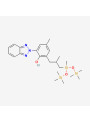
- Drometrizole Trisiloxane (e.q. Mexoryl XL) 10% 10.00%
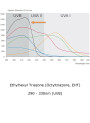
- Ethylhexyl Triazone EHT 1.30%
- PPG-3 myristyl ether 40% 10.00%
- BEMT 2% 5.00%
- Lipidsoft SPF 17% 10.00%
- DHHB 4.60%
- LipidSoft™ C1215 (C12-15 alkyl benzoate) 20.00%
- Bisoctrizole (MBBT, e.q. Tinosorb M) 10.00%
- Acrylates/C12-22 Alkyl Methacrylate Copolymer 10% 10.00%
- Extreme-B3 5.00%
- Portulaca Extract 0.50%
- Centella Asiatica Extract 1.50%
- สารสกัดชะเอมเทศจากประเทศเกาหลี 1.00%
- Panthenol 2.00%
- Disodium EDTA 0.10%
- SelectSorb 2.00%
- PMMA Booster 3.00%
- Mild Preserved Eco 1.00%
- Water 3.00%
Total: 100.00%
Is this formula feasible? What adjustments are needed, and what mixing method do you recommend? Thank you.
Answer
Sunscreen Formulation Review
Thank you for providing your proposed sunscreen formula. It contains a good selection of UV filters aimed at achieving broad-spectrum protection (UVA/UVB) and a high PA++++ rating, along with beneficial skincare ingredients.
Here is an evaluation of the formula and some points to consider:
Feasibility and Potential Adjustments
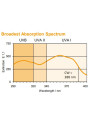
- UV Filter Combination: The combination of Drometrizole Trisiloxane, Ethylhexyl Triazone, BEMT, DHHB, and Bisoctrizole is effective for achieving high SPF and PA++++. These filters cover a wide range of UV wavelengths.
- Reef Safe: Your formula uses only organic UV filters. By commonly accepted definitions, a "Reef Safe" sunscreen typically relies on mineral filters like Zinc Oxide and Titanium Dioxide. Therefore, this specific formula would generally not be considered Reef Safe.
- Water/Sweat Resistance: The inclusion of Allianz OPT (Acrylates/C12-22 Alkyl Methacrylate Copolymer) is appropriate for water and sweat resistance. However, the proposed 10% usage rate is higher than the typical recommended range (1-5%) for this ingredient and could potentially impact the final texture, making it feel sticky or heavy.
- Formula Structure (Emulsion Type): The formula lists both oil-soluble/dispersible ingredients (most UV filters, PPG-3 Myristyl Ether, LipidSoft SPF, LipidSoft C1215) and water-soluble/dispersible ingredients (Disodium EDTA, Extreme-B3, Panthenol, Portulaca Extract, Licorice Extract, Bisoctrizole, Allianz OPT, Mild Preserved Eco, Water). However, a primary emulsifier is missing from your ingredient list. An emulsifier is essential to create a stable blend of oil and water phases. Without it, the formula will likely separate.
- Water Content: The water content is only 3%. This is extremely low for most emulsion types (like O/W or W/O) and will make it very challenging to dissolve/disperse the water-soluble/dispersible ingredients and create a stable, aesthetically pleasing texture. The formula appears heavily weighted towards the oil/powder phase (totaling around 97%).
- Ingredient Levels: Some levels, like PPG-3 Myristyl Ether (10%), LipidSoft SPF (10%), LipidSoft C1215 (20%), and Allianz OPT (10%), are quite high. While these contribute to dissolving filters and film-forming, their combined high percentage, coupled with low water, will significantly influence the final texture and stability.
- Extracts and Actives: The inclusion of Extreme-B3, Portulaca Extract, Centella Asiatica Extract (Pure-TECA™), and Licorice Extract provides beneficial skincare properties. Their percentages seem reasonable.
- Texture Enhancers: SelectSorb and PMMA Booster are good additions for oil absorption, texture improvement, and SPF boosting.
Recommended Adjustments
- Add a Primary Emulsifier: You must include a suitable primary emulsifier system (or a blend) compatible with your chosen oil and water phases and UV filters. The type and amount will depend on the desired texture (lotion, cream, etc.) and emulsion type (O/W, W/O).
- Adjust Water/Oil Ratio: Significantly increase the water content and decrease some of the oil/emollient phases (PPG-3 Myristyl Ether, LipidSoft SPF, LipidSoft C1215) to achieve a more balanced and stable emulsion, and better dissolve/disperse water-based ingredients. The exact ratio will depend on the chosen emulsifier and desired texture.
- Review Allianz OPT Level: Consider reducing the Allianz OPT to within the recommended range (1-5%) unless extensive testing proves stability and acceptable aesthetics at 10%. You might need to explore other film formers or water-resistant additives if a higher level is necessary for performance but causes texture issues.
- Consider Reef Safe Alternatives: If Reef Safe is a strict requirement, you would need to reformulate using mineral filters (Zinc Oxide, Titanium Dioxide), possibly in combination with some of the organic filters that are less controversial, although achieving high SPF/PA and good aesthetics with mineral-only formulas can be challenging.
Recommended Mixing Method (General Guideline - Requires Emulsifier)
This is a general guideline and will need adjustment based on the specific emulsifier system chosen and the final water/oil ratio. Always follow the supplier's instructions for each raw material.
- Water Phase (Phase A): Combine Water, Disodium EDTA, Extreme-B3, Panthenol, Portulaca Extract, Licorice Extract, and Allianz OPT. Heat gently if needed, but avoid prolonged high heat for extracts. Ensure all water-soluble ingredients are dissolved and Allianz OPT is dispersed.
- Oil Phase (Phase B): Combine PPG-3 Myristyl Ether, LipidSoft SPF, LipidSoft C1215, Drometrizole Trisiloxane, Ethylhexyl Triazone, BEMT, DHHB, and your chosen primary emulsifier(s). Heat Phase B to around 80°C (or as recommended by suppliers) to fully dissolve the powder UV filters. Ensure all components are homogenous.
- Combine Phases: Slowly add Phase B to Phase A (or Phase A to Phase B, depending on the emulsifier type and desired emulsion) while mixing with high shear to create the emulsion.
- Cooling Phase: Continue mixing while cooling the emulsion. Add Bisoctrizole (water-dispersible) during the cooling phase, ensuring it is well dispersed.
- Final Additions: Once the emulsion has cooled sufficiently (e.g., below 40°C), add heat-sensitive ingredients like Mild Preserved Eco. Disperse powders like Pure-TECA™ (pre-dispersed in glycol if needed), SelectSorb, and PMMA Booster into the cooled emulsion and mix until homogenous.
- Adjust pH: Check and adjust the final pH if necessary, ensuring it is suitable for the ingredients and desired product stability.
Conclusion
The proposed formula has the potential for high UV protection but requires significant adjustments, particularly the addition of a primary emulsifier and balancing the water and oil phases for stability and texture. It is also important to note that this formula, using only organic filters, is not typically considered Reef Safe. Developing a stable and effective sunscreen requires careful formulation, pilot batches, stability testing (including freeze-thaw and elevated temperature), and mandatory in-vivo or in-vitro SPF/PA testing to confirm the final protection values and water resistance claims.
It is highly recommended to work with an experienced formulator for complex sunscreen formulations like this one.
Follow-up Replies
Question:
ถ้าปรับสูตรเป็นแบบนี้ ยังพอหวังผล SPF50+ และ PA++++ ได้อยู่มั้ยคะ ถ้าเน้น ผิวสบาย + กันน้ำด้วย พอได้มั้ย แนะนำอะไรเพิ่มเติมได้เลยนะคะ รวมถึงการผสมด้วยค่ะ...ขอบคุณค่ะ
Titanium Dioxide 15nm Liquid (Gloss) 25.00%
Zinc Oxide 200nm EasyDisperse - Non nano 15.00%
LipidSoft™ Lite 15.00%
Bisoctrizole (MBBT, e.q. Tinosorb M) 5.00%
Extreme-B3 5.00%
Portulaca Extract 0.50%
entella Asiatica Extract 1.50%
สารสกัดชะเอมเทศ 1.00%
Milk Lotion Maker 4.00%
Alcohol 7.00%
Panthenol Panthenol Panthenol Panthenol 2.00%
Disodium EDTA Disodium EDTA Disodium EDTA Disodium EDTA 0.10%
SelectSorb SelectSorb SelectSorb SelectSorb 2.00%
PMMA Booster PMMA Booster PMMA Booster PMMA Booster 3.00%
WaterGuard™ Spray 3.00%
Mild Preserved Eco Mild Preserved Eco Mild Preserved Eco Mild Preserved Eco 1.00%
น้ำ 9.90%
100.00%
Answer:
Revised Sunscreen Formula Review
Thank you for providing your revised sunscreen formula. This version incorporates mineral filters, which aligns better with a "Reef Safe" goal and provides broad-spectrum protection. Let's evaluate its feasibility for SPF50+, PA++++, comfortable feel, and water resistance.
Feasibility for SPF50+ and PA++++
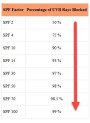
Yes, with the combination of Titanium Dioxide (25%), Zinc Oxide (15%), and Bisoctrizole (5%), along with the inclusion of PMMA Booster (3%), achieving SPF50+ and PA++++ is likely feasible. The high percentage of mineral filters provides strong broad-spectrum coverage, and the PMMA Booster helps enhance the SPF and PA values.
Comfortable Feel and Water Resistance
- Comfortable Feel: While you've included ingredients like LipidSoft Lite, SelectSorb, and PMMA Booster to improve texture and reduce oiliness, the total mineral filter content is very high (40%). This high level of Titanium Dioxide and Zinc Oxide will likely result in a noticeable white cast and a heavier feel on the skin, which might not align with a truly "comfortable" or lightweight feel, especially compared to formulas with lower mineral content or only organic filters. The 7% alcohol can also contribute to dryness for some skin types.
- Water Resistance: The inclusion of WaterGuard Spray at 3% is appropriate for achieving water resistance. This ingredient is designed to form a film on the skin that helps the formula stay put.
Potential Issues and Recommended Adjustments
- Emulsion Stability (Critical Issue): Your formula includes Milk Lotion Maker, which is an O/W (Oil-in-Water) emulsifier, and a significant water phase. However, the Titanium Dioxide 15nm Liquid is specifically recommended for use in W/O (Water-in-Oil) emulsion systems and is not recommended for O/W systems due to potential instability. Using this Titanium Dioxide in an O/W formula will likely cause the emulsion to break or be unstable.
- Recommendation: To make this formula stable, you must either:
- Reformulate as a Water-in-Oil (W/O) emulsion: Use a suitable W/O emulsifier system and incorporate the Titanium Dioxide 15nm Liquid and Zinc Oxide 200nm EasyDisperse into the oil/silicone phase as recommended by their suppliers.
- Replace Mineral Filters: If you want to keep an O/W emulsion structure, you must replace the Titanium Dioxide 15nm Liquid and Zinc Oxide 200nm EasyDisperse with versions that are specifically designed and recommended for use in O/W emulsions.
- Recommendation: To make this formula stable, you must either:
- High Mineral Load Aesthetics: The 40% mineral filter content will likely cause significant whitening. If minimizing white cast and achieving a lighter feel is a priority, you might need to explore alternative, more transparent mineral dispersions or slightly reduce the total mineral content if testing confirms SPF/PA targets are still met at a lower percentage.
- Incorporation of Actives: Ensure the Centella Asiatica Extract (Pure-TECA) and Licorice Extract are properly incorporated. Pure-TECA is not soluble in water or oil and may require dissolving in a small amount of glycol with heat before adding to the cooled emulsion. Licorice Extract is water-soluble and can be added to the water phase.
Recommended Mixing Method (General Guideline - Requires Adjustments Based on Emulsion Type and Emulsifier)
This is a general outline. The specific steps, temperatures, and phases will depend heavily on whether you choose to make a W/O or O/W emulsion and the specific emulsifier system used. Always follow the supplier's instructions for each ingredient.
Option A: Water-in-Oil (W/O) Emulsion (Suitable for current Titanium Dioxide)
- Oil Phase (Phase A): Combine LipidSoft Lite, a suitable W/O emulsifier, Titanium Dioxide 15nm Liquid, Zinc Oxide 200nm EasyDisperse, SelectSorb, PMMA Booster, and Mild Preserved Eco (can disperse in oil). Heat Phase A to the required temperature for your W/O emulsifier (typically 70-80°C). Mix well to disperse powders.
- Water Phase (Phase B): Combine Water, Disodium EDTA, Extreme-B3, Panthenol, Portulaca Extract, Licorice Extract, Bisoctrizole (dispersible in water), and Alcohol. Heat Phase B to a similar temperature as Phase A.
- Active Phase (Phase C): Dissolve Pure-TECA in a small amount of glycol (e.g., Butylene Glycol) with heat (70-80°C).
- Emulsification: Slowly add Phase B to Phase A while mixing with high shear to form the W/O emulsion. Continue mixing while cooling.
- Cooling Phase Additions: Once cooled below 40°C, add Phase C (Pure-TECA solution/dispersion) and WaterGuard Spray (pre-dissolved in the Alcohol from Phase B, or add the Alcohol phase here). Mix until homogenous.
- Final Adjustments: Check and adjust pH if needed.
Option B: Oil-in-Water (O/W) Emulsion (Requires different Mineral Filters)
- Water Phase (Phase A): Combine Water, Disodium EDTA, Extreme-B3, Panthenol, Portulaca Extract, Licorice Extract, Bisoctrizole, and Milk Lotion Maker. Heat Phase A to the required temperature for Milk Lotion Maker (typically around 70-80°C). Mix well to dissolve/disperse.
- Oil Phase (Phase B): Combine LipidSoft Lite, O/W compatible Titanium Dioxide dispersion, O/W compatible Zinc Oxide dispersion, SelectSorb, PMMA Booster, and Mild Preserved Eco (can disperse in oil). Heat Phase B to a similar temperature as Phase A. Mix well to disperse powders.
- Active Phase (Phase C): Dissolve Pure-TECA in a small amount of glycol (e.g., Butylene Glycol) with heat (70-80°C).
- Emulsification: Slowly add Phase B to Phase A while mixing with high shear to form the O/W emulsion. Continue mixing while cooling.
- Cooling Phase Additions: Once cooled below 40°C, add Phase C (Pure-TECA solution/dispersion), WaterGuard Spray (pre-dissolved in Alcohol), and Alcohol. Mix until homogenous.
- Final Adjustments: Check and adjust pH if needed.
Conclusion
The revised formula has the potential for high SPF/PA and water resistance and is closer to a Reef Safe formulation. However, the high mineral content will likely impact the skin feel and cause whiteness. The critical step is ensuring the mineral filters are compatible with your chosen emulsion system (O/W or W/O) and selecting an appropriate emulsifier. Extensive testing is crucial to confirm stability, performance, and aesthetics.
Working with an experienced formulator is highly recommended for complex sunscreen formulations.
Related Products Mentioned
Disodium EDTA
SelectSorb™ (High Oil Absorption PMMA)
PPG-3 Myristyl Ether
PMMA Booster (Color Booster)


LipidSoft™ SPF
C12-15 alkyl benzoate Gel (Flowable)
Titanium Dioxide 15nm Liquid (Gloss)
Zinc Oxide 200nm EasyDisperse™
Milk Lotion Maker™
WaterGuard™ Spray