Sunscreen Formulation Review, SPF, and Texture Adjustment for Spray
Question
I have created a formulation with the following ingredients and proportions:
[b]Ingredients[/b]
SPF Protect Ultra™ II 15%
Polyethylene Wax (Soft) 2%
Safe-B3™ 5%
Allantoin 2%
สารสกัดนมผึ้ง 0.5%
Satin Cream Maker™ 1%
Mild Preserved Eco™ 1%
Coconut Fruit Powder 2%
RiceSorb™ 10%
Water 61.5%
[b]Mixing Method[/b]
- Mix SPF Protect Ultra™ II + Polyethylene Wax (Soft) using heat 70-80°C.
- Mix Water + Safe-B3™ + Allantoin + สารสกัดนมผึ้ง + Satin Cream Maker™ using heat 70-80°C.
- Add mixture from step 1 into mixture from step 2 and blend until combined.
- Once cooled, add Mild Preserved Eco™ and blend until combined.
- Add Coconut Fruit Powder + RiceSorb™ and blend until combined.
[b]Questions[/b]
- Are the ingredients, proportions, and mixing method suitable? Are all ingredients in step 2 heat tolerant?
- In this formula, will Polyethylene Wax increase the SPF value? If so, what is the SPF value?
- If I change Satin Cream Maker™ 1% to Milk Lotion Maker™ 5%, will the texture become thinner, suitable for a spray bottle?
Thank you,
Tawan
Answer
Formulation Analysis and Answers
Based on the ingredients and method you provided, along with information about the raw materials:
1. Suitability of Ingredients, Proportions, Mixing Method, and Heat Tolerance in Step 2
- Ingredients and Proportions: The ingredients chosen are suitable for the target skin type (oily, acne-prone) and the desired product type (sunscreen gel). The proportions of active ingredients like Safe-B3™ (Niacinamide) at 5% and Royal Jelly Extract at 0.5% are within recommended usage rates for their intended benefits (oil control, anti-acne, soothing). SPF Protect Ultra™ II at 15% is expected to provide high SPF protection. RiceSorb™ is a good addition for oil absorption.
- Mixing Method: The general approach of combining heated oil and water phases is standard for creating emulsions. However, there are specific points to consider regarding the heat tolerance and recommended mixing phase for some ingredients in your Step 2:
- Safe-B3™ (Niacinamide): This ingredient is water-soluble and has heat resistance, but prolonged heating should be avoided. Heating to 70-80°C for a short period during the mixing process is generally acceptable.
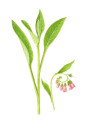
- Allantoin: Allantoin is soluble in water, and its solubility increases with temperature (up to 4% at 75°C). Using 2% Allantoin and heating the water phase to 70-80°C is appropriate for dissolving it.
- สารสกัดนมผึ้ง (Royal Jelly Extract 10-hydroxydecanoic acid): The description for this ingredient indicates it should be dissolved in the oil portion of the formula and can withstand heat up to 70°C. Mixing it in the water phase and heating to 70-80°C is not the recommended method and might affect its stability or efficacy.
- Satin Cream Maker™: This is a heat-free emulsifier and thickener designed to be mixed into the water phase without heat. While heating might not necessarily destroy it, it is unnecessary and goes against the recommended usage which is typically a cold process or added to the water phase before combining with the oil phase.
- Heat Tolerance in Step 2: Considering the above, while Safe-B3™ and Allantoin tolerate the heat in Step 2, Royal Jelly Extract should ideally not be in this phase or heated above 70°C, and heating Satin Cream Maker™ is not required.
Recommendation for Mixing Method: To optimize the formula and ensure ingredient stability, consider revising the mixing method. Royal Jelly Extract should be added to the oil phase and heated to no more than 70°C. Satin Cream Maker™ should be added to the water phase without heat, or added just before combining the phases if heating the water phase for other ingredients. Ingredients like Mild Preserved Eco™ and RiceSorb™ should be added in the cooling phase as you have correctly done.
2. Polyethylene Wax and SPF Contribution
Polyethylene Wax is known to help improve the water resistance and enhance the SPF value of sunscreen formulas by aiding in the dispersion and film-forming of UV filters on the skin. The descriptions for Polyethylene Wax confirm this property.
However, the exact increase in SPF provided by 2% Polyethylene Wax in your specific formula cannot be determined without laboratory testing. The final SPF value of a sunscreen is a complex result of the interaction of all ingredients, their concentrations, and how they are processed and applied. While Polyethylene Wax contributes to the overall performance and potentially boosts SPF, there is no standard calculation to predict the exact SPF increase based solely on its inclusion rate. The SPF Protect Ultra™ II at 15% is expected to provide SPF 50+ and PA++, and the Polyethylene Wax will likely help achieve and maintain this protection level, especially regarding water resistance.
3. Changing Emulsifier to Milk Lotion Maker™ for Sprayable Texture
Yes, changing from 1% Satin Cream Maker™ to 5% Milk Lotion Maker™ is a viable approach to achieve a thinner, more liquid texture suitable for a spray bottle.
- Satin Cream Maker™ is designed to create cream textures and is used at lower concentrations for thickening.
- Milk Lotion Maker™ is a liquid emulsifier specifically formulated to create liquid lotion textures (Milky Lotion) and can handle higher oil loads (up to 40%). Using it at 5% is within its recommended usage rate for creating thinner emulsions.
Important Consideration: As mentioned earlier, Milk Lotion Maker™ requires being mixed in the oil phase and heated to around 70°C for proper dissolution and emulsification. If you make this change, you must adjust your mixing method to incorporate Milk Lotion Maker™ into the heated oil phase (along with SPF Protect Ultra™ II, Polyethylene Wax, and Royal Jelly Extract) before combining it with the water phase.
In summary, changing to Milk Lotion Maker™ at 5% should help you achieve a sprayable consistency, but ensure you follow the correct mixing instructions for Milk Lotion Maker™ and adjust the overall formulation process accordingly.
Related Products Mentioned
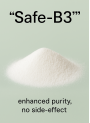
Safe-B3™ (Vitamin B3, Niacinamide)
Allantoin

Satin Cream Maker™
Mild Preserved Eco™ (Preservative-Free)
Milk Lotion Maker™