Sunscreen Formulation Separation and Lumpiness Issues
Question
I am trying to create a sunscreen formulation with the following ingredients and percentages:
- Zinc Oxide: 10%
- Titanium Dioxide: 5%
- LipidSoft CC: 10%
- LipidSoft Lite: 10%
- Light Cream Maker™: 1%
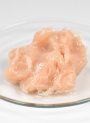
I attempted to substitute Light Cream Maker™ with Warp Cream Maker™ and followed a mixing method where I added the water phase in small portions and stirred to achieve a cream texture, repeating until all water was added. However, the resulting sunscreen separated and became lumpy. Could you please explain why this is happening and provide recommendations to fix it?
Answer
Sunscreen Formulation Separation and Lumpiness Issue
Based on the formula and method you provided, as well as the information about Light Cream Maker™ and Warp Cream Maker™ that I have reviewed, the problem of your sunscreen separating and becoming lumpy likely stems from several factors.
Causes of the Problem:
Type of Emulsifier: Light Cream Maker™ is an Oil-in-Water (O/W) emulsifier, meaning it helps disperse oil in water, suitable for typical cream formulations. However, Warp Cream Maker™ is a Water-in-Oil (W/O) or Water-in-Silicone emulsifier, which disperses water in oil or silicone, resulting in completely different textures and properties. Therefore, Warp Cream Maker™ cannot be directly substituted for Light Cream Maker™ in your original formula. Using the wrong type of emulsifier will definitely cause the formula to be incompatible and separate.
High Solid Content in the Formula: Your formula contains a relatively high percentage of solid UV filters (Zinc Oxide and Titanium Dioxide, totaling 15%). Additionally, there is an oil phase (LipidSoft CC and LipidSoft Lite, totaling 20%). When combining the solid and oil phases, this represents a significant amount of dispersed phase for an O/W emulsifier, especially Light Cream Maker™ which states it can handle up to 20% oil. High solid content can make the emulsion less stable and prone to separation.
Mixing Method: Although you are adding the water phase in portions, "stirring" might not provide sufficient shear force to finely and evenly disperse the large amount of oil and solid particles in the water, leading to clumping and separation. This is particularly evident when adding the preservative, which might affect the emulsion's stability. Using a blender that provides higher shear, as suggested in the replies, could help the emulsion form better.
Recommendations to Solve the Problem:
Warp Cream Maker™ is Not a Substitute: Since Warp Cream Maker™ is a different type of emulsifier (W/O) than Light Cream Maker™ (O/W), it cannot be used as a direct substitute in this formula. If you wish to use Warp Cream Maker™, you would need to completely reformulate and adjust the method to create a Water-in-Oil system, which will result in a different texture and properties.
Improve Mixing Method (If Using Light Cream Maker™): If you still have Light Cream Maker™ or can obtain more, try a mixing method that emphasizes high-speed and continuous blending/stirring. Slowly add the water phase to the oil phase + emulsifier while continuously blending/stirring rapidly to ensure the emulsion forms completely. Sufficiently strong and long blending will help create a smoother texture and reduce separation issues.
Consider Other Emulsifiers (If No Light Cream Maker™): If you don't have Light Cream Maker™ and do not want to switch to a W/O formula, you might consider other O/W emulsifiers suitable for formulas with high oil and solid content. However, changing the emulsifier may require adjusting the quantity and further testing.
Adding Preservative: The preservative should ideally be added in the final step, after the cream has fully emulsified and cooled down. Adding the preservative while the emulsion is still unstable can sometimes trigger separation.
Conclusion:
The main issue likely stems from the formula having a high amount of solids and oils, potentially exceeding the capacity of 1% Light Cream Maker™, combined with a mixing method that might not provide sufficient shear. Warp Cream Maker™ cannot be used as a substitute for Light Cream Maker™ as they are different types of emulsifiers. If you wish to succeed with the original formula, focus on using high-speed and continuous blending, or consider using a different emulsifier suitable for high solid and oil content formulas.
Related Products Mentioned
Light Cream Maker™