Sunscreen Formulation: Separation, Powder-Foam Texture, and SPF 50
Question
Regarding a silicone-based sunscreen formulation aiming for a powder-foam texture, the product is experiencing separation and settling.
- How can this separation and settling issue be fixed?
- Is it possible to achieve SPF 50 with this specific powder-foam texture?
The formulation involves ingredients such as Cyclomethicone (ID 171), Dimethicone (ID 508), Silicone Gel (ID 201), Zinc Oxide (ID 248), and Titanium Dioxide (ID 236). The discussion also mentions the potential use of Silicone Blender (ID 736).
Answer
Based on the discussion, the separation and settling in your sunscreen formula likely occurred because the ingredients, particularly the different types of silicones, were not fully compatible over time without a proper emulsifier or blender for the silicone phase.
To address this and achieve a silicone-only formula with a powder-foam texture, the recommended approach involves adjusting the ratios of the silicone ingredients and adding a silicone blender:
- Adjust Silicone Ratios: Reduce the amounts of Cyclomethicone (ID 171) and Dimethicone (ID 508) significantly (e.g., to around 10% each, as suggested by user C7) and increase the Silicone Gel (ID 201) percentage to make up the difference and achieve the desired powder-foam texture.
- Add Silicone Blender: Crucially, add 2-4% of Silicone Blender (ID 736) to the formula. This ingredient is specifically designed to help different silicones blend together and prevent separation over time.
- Consider SPF vs. Texture: As the staff explained, achieving a high SPF like 50 in a formula with a powder-foam texture is challenging. Increasing the concentration of sunscreen agents like Zinc Oxide (ID 248) and Titanium Dioxide (ID 236) to reach SPF 50 will likely result in a creamier texture, moving away from the powder-foam feel. While increasing Cyclomethicone and Dimethicone can help disperse the powders, this also contributes to a creamier texture.
Therefore, to prevent separation and maintain a powder-foam texture, focus on the adjusted silicone ratios and the inclusion of Silicone Blender, understanding that this might limit the achievable SPF compared to a creamier formulation.
The relevant product IDs discussed are: 248, 236, 171, 508, 201, 408, and 736.
Related Products Mentioned
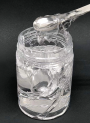
Silicone Gel (Ultra Clear, Super Silky)
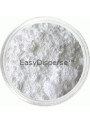

Zinc Oxide 200nm EasyDisperse™
Dimethicone (Light/50, Low-Odor)