Sunscreen Formulation Stability and Non-Comedogenic Ingredients
Question
I am developing a sunscreen formula using physical filters (Zinc Oxide, Titanium Dioxide) which is separating. I am also asking for clarification on certain ingredients used for skin feel.
Can you confirm if the following ingredients, used for skin feel, are non-comedogenic and will not cause clogged pores?
- Amino Silk (Lauroyl lysine)
- BB Microsilk
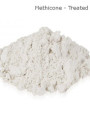
- Soft Glow (polymethylsilsesquioxane)
Answer
Sunscreen Formulation Issues and Alternatives
Addressing Formula Separation
The separation observed after 5-7 days is likely due to the instability of the emulsion, particularly with the inclusion of physical sunscreens (Zinc Oxide and Titanium Dioxide). Physical sunscreens are solid particles that need to be well-dispersed and stabilized within the cream base.
The current formulation uses a magnetic stirrer, which provides low shear mixing. This, combined with the concentrations of Milk Lotion Maker and Satin Cream Maker, may not be sufficient to create a fine, stable emulsion capable of keeping the high load of physical sunscreens evenly dispersed over time.
To improve stability and prevent separation, consider the following:
- Increase Emulsifier Concentration: As suggested by the staff, increasing the percentage of both Milk Lotion Maker (from 3% to 4.5%) and Satin Cream Maker (from 0.7% to 1.2%) will help strengthen the emulsion and improve the dispersion and suspension of the physical sunscreens.
- Improve Mixing Method: Using a higher shear mixer than a magnetic stirrer during the emulsification process is crucial. This will ensure that the oil and water phases are finely dispersed and the physical sunscreen particles are evenly distributed and stabilized within the emulsion, leading to a more stable final product.
Alternative Ingredients for Skin Feel (Non-Comedogenic Options)
You are looking for alternatives to silicones to achieve a soft and smooth skin feel without clogging pores. Based on the ingredients you listed and their properties, several options are suitable for acne-prone skin (non-comedogenic):
- AminoSilk™ (Lauroyl lysine): This powder is known for adding significant softness and smoothness to formulations. It provides a light, smooth texture and helps products spread easily on the skin. It is considered non-comedogenic and is a great natural-feeling option.
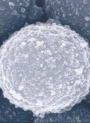
- BB Micro Silk™: This spherical powder helps to blur the appearance of wrinkles and pores, contributing to a smooth skin feel. It offers a soft, cream-like texture and is easy to spread. It is suitable for softening the formula and providing a light feel while helping to conceal imperfections. It is considered non-comedogenic.
- Polymethylsilsesquioxane: This powder creates a soft-focus effect by refracting light, which helps to hide wrinkles and gives the skin a smoother appearance. It also makes the formula feel soft and smooth (silky & slip). It is considered non-comedogenic.
- SoftGlow™ (Alumina): This spherical alumina powder is used in makeup to impart a soft and smooth feel to the skin. It is considered non-comedogenic.
While SiliSilk™ is highly effective at providing softness and smoothness, it is a silicone-based powder. Since your goal is to avoid silicones due to concerns about clogged pores, the options listed above (AminoSilk™, BB Micro Silk™, Polymethylsilsesquioxane, and SoftGlow™) are more aligned with your preference for non-silicone alternatives that do not clog pores.
Other powders you mentioned have different primary functions:
- PowderCream™: Primarily used to give a cream a powdery feel upon application and absorb oil/water.
- Silk Sericite Powder: Provides softness, lightness, natural coverage, and a matte finish.
- WhiteMatte™ (Boron Nitride): Used for increasing whiteness, brightening skin tone, and providing soft-focus.
- Nylon-12: Adds a creamy feel, reduces shine, and improves spreadability and adherence (pay-off), often used in products like lipstick.
Consider incorporating one or a combination of AminoSilk™, BB Micro Silk™, Polymethylsilsesquioxane, or SoftGlow™ into your formulation to achieve the desired soft and smooth feel without the risk of clogging pores associated with some silicones.
Related Products Mentioned

Satin Cream Maker™
Zinc Oxide 200nm EasyDisperse™
BB Micro Silk™
AminoSilk™ (Lauroyl lysine)
PowderCream™ (Water Absorbing PMMA)
WhiteMatte3™ (Boron Nitride 3micron)

Phenoxyethanol SA (eq. Optiphen Plus)
Milk Lotion Maker™

SPF Protect Ultra™ II