Sunscreen Formulation: Texture, Water Resistance, and Ingredient Replacement
Question
I have the following formula:
1. Titanium Dioxide 15nm Liquid 10%
2. Zinc Oxide 35nm Liquid 10%
3. Cyclotetrasiloxane 35%
4. Warp Cream Maker 20%
5. PMMA Booster 5%
6. Silicone Blender 3%
7. Beige Iron Oxides EasyMix™ 1%
8. Mild Preserved Eco™ 1%
9. Water 15%
My questions are:
1. Is there a possibility that the resulting texture will be fluid?
2. Does the waterproof property still exist since I removed Silicone Gel ultra clear?
3. Is the reduced water content sufficient to get a fluid sunscreen? What adjustments should I consider for the proportion of ingredients? Thank you.
Answer
Okay, let's analyze your water-in-silicone sunscreen formula and your questions.
Based on the ingredients you are using:
- Titanium Dioxide 15nm Liquid and Zinc Oxide 35nm Liquid are physical sunscreens dispersed in a silicone base, suitable for water-in-silicone systems and contribute to sun protection and water resistance.
- Cyclotetrasiloxane is a volatile silicone. However, please note that Cyclotetrasiloxane (D4) is restricted in cosmetic products in many regions due to environmental and potential health concerns. It is recommended to replace it with a cosmetic-grade alternative like Cyclopentasiloxane (D5) or Isododecane.
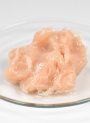
- Warp Cream Maker™ is a water-in-oil/silicone emulsifier designed to create a creamy texture with a quick-absorbing, dry, powdery feel. It is also noted for enabling waterproof formulas in water-in-silicone systems.
- PMMA Booster helps boost SPF/PA and improves texture.
- Silicone Blender helps blend silicones and stabilize silicone-based formulas.
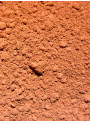
- Beige Iron Oxides EasyMix™ provides color and is dispersed in silicone/oil.
- Mild Preserved Eco™ is the preservative.
- Water is the internal phase in this water-in-silicone emulsion.
Now, addressing your questions:
Can the resulting texture be fluid?
While you have a high percentage of volatile silicone (Cyclotetrasiloxane, which should be replaced) and a relatively low water percentage (15%), the presence of 20% Warp Cream Maker™ is designed to create a creamy texture. While it might be a light cream or a thick fluid, achieving a very low-viscosity fluid might be challenging with this level of emulsifier. The texture will likely be more substantial than a watery fluid.Is water resistance still present after removing Silicone Gel (Ultra Clear)?
Yes, the water resistance should still be present. The primary contributors to water resistance in this formula are the physical sunscreen dispersions (Titanium Dioxide 15nm Liquid and Zinc Oxide 35nm Liquid), which are designed for water-in-silicone systems, and the Warp Cream Maker™ emulsifier itself, which facilitates the water-in-silicone structure known for water resistance. Silicone Gel (Ultra Clear) primarily affects the feel, spreadability, and finish (soft, smooth, silky, matte) rather than being the main component for water resistance.Is the reduced water content sufficient for a fluid texture? What adjustments should be considered?
A water content of 15% is quite low for a water-in-silicone emulsion, especially with 20% emulsifier. While low water can contribute to a lighter feel, the high concentration of Warp Cream Maker™ (20%) is a strong factor pushing the texture towards a cream rather than a fluid. To achieve a more fluid texture, you should consider:- Reducing the percentage of Warp Cream Maker™: This is the most direct way to decrease the viscosity and move towards a more fluid consistency. You would need to experiment to find the right balance for stability and desired texture.
- Increasing the percentage of the external silicone phase: This involves increasing the amount of the volatile silicone (using a cosmetic-grade alternative like Cyclopentasiloxane instead of Cyclotetrasiloxane) or other compatible low-viscosity silicones/oils. A higher external phase can help thin the overall formula.
- Replacing Cyclotetrasiloxane: As mentioned, Cyclotetrasiloxane (ID 6850) is not allowed in cosmetics. You must replace the 35% Cyclotetrasiloxane with a suitable cosmetic-grade volatile silicone like Cyclopentasiloxane (ID 171) or Isododecane. This replacement is necessary for product safety and regulatory compliance. The choice of replacement will also impact the final texture and feel.
In summary, while your formula has elements that contribute to a lighter feel and water resistance, the high level of Warp Cream Maker™ makes a truly fluid texture unlikely. You should prioritize replacing the Cyclotetrasiloxane with a cosmetic-safe alternative and then experiment with reducing the Warp Cream Maker™ and/or adjusting the silicone phase percentage to achieve your desired fluid consistency.
Related Products Mentioned
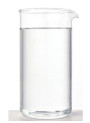
Silicone Gel (Ultra Clear, Super Silky)
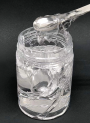
Warp Cream Maker™ (e.q. Nikkomulese wo)
Beige Iron Oxides EasyMix™
Titanium Dioxide 15nm Liquid (Gloss)
Zinc Oxide 35nm Liquid
Silicone Blender
Mild Preserved Eco™ (Preservative-Free)