Sunscreen Formulation with Avobenzone and OMC Compatibility Issue
Question
I want to make a sunscreen cream with the following formula:
- Avobenzone 3%
- Octocrylene 10%
- BEMT (TinosorbS) 4%
- Hydrolyzed vegetative protein 1%
- Olive Extract 2%
- OMC (Octyl methoxycinnamate) 10%
- vite Acetate 0.1%
Answer
Sunscreen Formulation Guidance
Thank you for providing your sunscreen formula. Based on the ingredients you've listed, there is a critical compatibility issue that needs to be addressed:
- Avobenzone and OMC (Octyl methoxycinnamate) are incompatible. According to the product information, using Avobenzone and OMC together will cause Avobenzone to deteriorate quickly, reducing the effectiveness of your sunscreen's UVA protection.
Therefore, you should choose either Avobenzone or OMC for your formula, but not include both.
Here is some information about the sunscreens in your formula:
- Avobenzone: Provides excellent UVA protection but is unstable on its own. It needs to be stabilized, often by combining it with ingredients like Octocrylene.
- OMC (Octyl methoxycinnamate): Primarily protects against UVB rays. It is incompatible with Avobenzone.
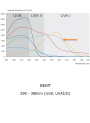
- BEMT (Bis-Ethylhexyloxyphenol Methoxyphenyl Triazine): A highly stable broad-spectrum sunscreen that protects against both UVA and UVB. It is compatible with both chemical and physical sunscreens.
- Octocrylene: Often used to help stabilize Avobenzone.
To create a stable and effective sunscreen, you will need to revise your formula to remove either Avobenzone or OMC. You can then adjust the percentages of the remaining sunscreens to achieve your desired SPF and PA protection levels. Using a sunscreen simulator tool is highly recommended for this.
Regarding the other ingredients in your formula:
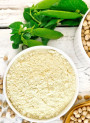
- Hydrolyzed vegetative protein (likely Hydrolyzed Pea Protein): This is water-soluble and can be added to the water phase. Ensure adequate preservation in your formula.
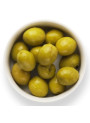
- Olive Extract: This is water-soluble. If your formulation involves heating, add the Olive Extract in the final step after the mixture has cooled. It prefers a pH range of 4.0-6.5 and should be stored in the refrigerator.
- Vitamin E Acetate: This is oil-soluble and acts as an antioxidant. Mix it with the oil phase or emulsifier. Avoid heating it for more than 5 minutes.
When formulating, always follow the specific mixing instructions and usage rates provided for each ingredient to ensure stability and performance.
Related Products Mentioned
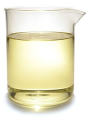
Vitamin E (Tocopheryl Acetate)