Surfactant-Free Cleansing Milk Formula for Sensitive Skin
Question
Hello,
I would like to request advice on making a surfactant-free cleansing milk. I found a cleansing milk product from a certain brand with the following formula:
Water (Aqua), Glycerin, Ethylhexyl Palmitate, Mineral Oil (Paraffinum Liquidum), Polypropylene Terephthalate, Glycyrrhetinic Acid, Mannitol, Xylitol, Rhamnose, Fructooligosaccharides, Laminaria Ochroleuca Extract, Ammonium Acryloyldimethyltaurate/ VP Copolymer, Pentylene Glycol, Ethylhexylglycerin, Disodium EDTA, Caprylic/Capric Triglyceride, Sodium Hydroxide
I want a formula similar to the product above, but without glycol ingredients because I am allergic (the formula above contains Pentylene Glycol).
My current skin condition is dry, sometimes flaky around the nose, and very sensitive due to atopic dermatitis. I am allergic to surfactants, even gentle ones like coco wash. I currently don't wear makeup or sunscreen because I don't know what to use to remove them.
I've tried to come up with my own formula draft, but I'm not sure if it's usable and I don't know how much glycerin and oil to add. Could you please advise?
My proposed formula draft:
- Water
- Glycerin
- Jojoba Oil
- Caprylic/Capric Triglyceride
- Satin Mousse
Additionally, I would like to know if a surfactant-free cleansing milk like this can remove sunscreen, specifically homemade sunscreen using nano Titanium Dioxide and nano Zinc Oxide like those sold by MySkinRecipes.
Thank you.
Answer
Surfactant-Free Cleansing Milk Formula for Sensitive Skin
Based on your interest in creating a surfactant-free cleansing milk similar to the product you mentioned, and considering your dry, sensitive skin with atopic dermatitis and sensitivity to glycols, here is a recommended formula structure and guidance.
A surfactant-free cleansing milk relies on a high oil phase to dissolve makeup, sunscreen, and impurities, which is then typically wiped or rinsed off. This method can be very gentle for sensitive skin.
Your proposed ingredients (Water, Glycerin, Jojoba Oil, Caprylic/Capric Triglyceride) are suitable. For the fifth ingredient, "Satin Mousse," if you are looking for a thickener to create the milk consistency, a good option is Aristoflex AVC, which is a gelling agent similar to the one found in the example product you provided (Ammonium Acryloyldimethyltaurate/ VP Copolymer).
Recommended Formula Structure and Percentage Ranges:
- Water: 60-70%
- Glycerin: 5-10% (Acts as a humectant to hydrate the skin)
- Jojoba Oil: 5-15% (An emollient oil similar to skin's natural sebum, good for dissolving impurities)
- Caprylic/Capric Triglyceride: 10-20% (A light, non-greasy emollient that helps dissolve oils and makeup)
- Aristoflex AVC: 0.5-1.5% (Acts as a thickener to create the milk texture and helps stabilize the emulsion)
- Glycyrrhetinic Acid: 0.1-1% (Optional, but recommended for its anti-inflammatory and soothing properties, beneficial for atopic dermatitis)
- Disodium EDTA: 0.1-0.2% (A chelating agent to improve formula stability)
- Preservative: Quantity sufficient (q.s.) - Choose a gentle, broad-spectrum preservative system suitable for sensitive skin. Follow the supplier's recommended usage rate.
Total: 100%
Guidance on Glycerin and Oil Percentages:
For dry and sensitive skin, using Glycerin at 5-10% provides good hydration without feeling sticky. The total oil phase (Jojoba Oil + Caprylic/Capric Triglyceride) can be between 20-30% to effectively cleanse while leaving the skin feeling soft and moisturized. You can adjust the ratio of Jojoba Oil to Caprylic/Capric Triglyceride within this range based on your preference for skin feel.
Effectiveness on Sunscreen Removal
A surfactant-free cleansing milk, which is oil-based, can be effective at removing sunscreen, including those containing physical filters like nano Titanium Dioxide and Zinc Oxide. These mineral filters are often dispersed in oils or silicones in sunscreen formulations. The oil phase in the cleansing milk works by dissolving the oily vehicle and lifting the sunscreen particles from the skin.
For thorough removal of mineral sunscreens, especially if they are water-resistant or applied in a thick layer, you may need to gently massage the cleansing milk onto dry skin for a sufficient amount of time to allow the oils to break down the sunscreen film. Wiping off with a soft cloth or cotton pad before rinsing can also help. Depending on the sunscreen's tenacity, a second cleanse with the same cleansing milk or a very gentle, low-foaming cleanser might be necessary to ensure all residue is removed, particularly around the hairline and eyebrows.
This type of cleansing method should be much gentler on your sensitive, atopic skin compared to traditional surfactant-based cleansers.
Related Products Mentioned
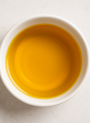
Jojoba Oil (Golden - Deodorized)
Glycerin (USP/Food Grade)
Disodium EDTA
Glycyrrhetinic acid (Enoxolone)
Titanium Dioxide Nanosil