Technical Questions on Cosmetic Formulation: Glycols, Penetration Enhancers, Emulsifiers, Ethoxydiglycol Usage, and Ingredient Safety
Question
Technical Questions on Cosmetic Formulation
I have several questions regarding cosmetic formulation:
- Why are glycols (like Propylene Glycol, Butylene Glycol) used in formulas even when the main active ingredients are water-soluble?
- What ingredients can help enhance the penetration of active substances into the skin? Specifically, what is the role of
Ethoxydiglycoland what are other examples likeLaurocapram,Phospholipids,1,2-Hexanediol, andDimethyl Isosorbide (DMI)? Are there any usage restrictions or safety concerns with these, particularlyEthoxydiglycol? - For a
Vitamin C E Ferulicformula that needs to be made without heat, what alternative oil-in-water emulsifiers can be used instead ofLaureth-23? Can you suggest options likeLight Cream Maker™orEasy Cream Maker™and explain their properties (heat requirement, pH range, oil load capacity, texture, electrolyte tolerance)? How doesSoft Cream Maker™compare? - What is the recommended safe concentration for
Ethoxydiglycolin leave-on products like serums or creams? Is a concentration like 20% safe or compliant with regulations? What might cause a warming sensation on the skin, and could high concentrations of penetration enhancers be a factor? - Is
Light Cream Maker™(containingSodium Polyacrylate) considered a toxic substance that should be avoided, as I've heard conflicting information? - Separately, how does the company handle product shipping (e.g., postal service vs. company delivery)?
- When is
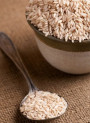
Rice Vitamin(Inositol, Vitamin B8) expected to be back in stock?
Answer
Answer to Questions about Cosmetic Formulations
Glycols in Formulas with Water-Soluble Actives
Glycols such as Propylene Glycol or Butylene Glycol are often included in cosmetic formulas even if the main active ingredients are water-soluble. This is because they offer several benefits:
- They help improve the texture and spreadability of the product.
- They can enhance the penetration of certain ingredients into the skin (though this also depends on other factors in the formula).
- They act as humectants, helping to retain moisture in the skin.
- Some types are inexpensive, making them popular for use in higher amounts in certain formulas.
Ingredients that Enhance Skin Penetration (Penetration Enhancers)
Several ingredients can help improve the delivery of beneficial substances into the skin. Ethoxydiglycol is one such ingredient with research supporting its effectiveness as a carrier. Other substances include Laurocapram (both water-soluble and oil-soluble types), Phospholipids, 1,2-Hexanediol, and Dimethyl Isosorbide (DMI). However, caution should be exercised when using this group of ingredients, particularly Ethoxydiglycol, which currently has maximum usage rate restrictions in different product types. The latest regulations should be checked before use.
Choosing an Emulsifier for Vitamin C E Ferulic Formula Without Heat
For a Vitamin C E Ferulic formula where heat is to be avoided, other oil-in-water emulsifiers can be used instead of Laureth-23. There are several Cream Makers that work without requiring heat, such as:
- Light Cream Maker™: This is an emulsifier and thickener that works without heat. It can be used over a wide pH range and can emulsify up to 20% oil. It creates a light, easily absorbed, non-sticky cream texture and has some tolerance for electrolytes.
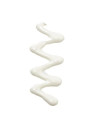
- Easy Cream Maker™: This is also an emulsifier and thickener that works without heat, usable over a wide pH range and emulsifying up to 10% oil. It produces a slightly heavier cream texture than Light Cream Maker™ and does not tolerate electrolytes.
Soft Cream Maker™ is another option that provides a soft texture and beautiful liquid crystal appearance, but it requires heat during mixing.
Ethoxydiglycol Concentration in Vitamin C E Ferulic Formula
According to the Ethoxydiglycol product information, the current maximum usage rate for leave-on products (such as serums or creams) is not more than 2.6%. Therefore, using a high concentration like 20% may not comply with safety regulations and could potentially cause irritation. The sensation of heat on the skin is often associated with certain humectants like Propylene Glycol, Glycerin, or some preservatives. However, using penetration enhancers at high concentrations could also affect skin feel. It is important to adhere to recommended usage rates and the latest regulations.
Safety of Light Cream Maker™ (Sodium Polyacrylate)
The information suggesting that Sodium Polyacrylate is a toxic substance to be avoided is incorrect. Light Cream Maker™, which contains Sodium Polyacrylate, is considered safe for use in cosmetics. Reliable sources, such as the EWG Skin Deep Database, classify Sodium Polyacrylate as having a low hazard.
Shipping Policy and Rice Vitamin
The company's shipping is handled via postal service. Regarding Rice Vitamin (Inositol, Vitamin B8), the staff previously provided an expected date for its restocking.
Updated Review: May 2026
This section was added after reviewing the original answer against current product availability and formulation knowledge at the stated point in time.
Update as of 2026-05-24
The earlier answer remains generally useful, but please apply the current use limits for Ethoxydiglycol before formulating. For leave-on skin products such as serums or creams, Ethoxydiglycol should not be used at 20%; keep it within the current leave-on limit stated in the catalog, not more than 2.6%. Higher limits apply only to specific categories such as rinse-off or hair-color products and should not be applied to a leave-on facial serum.
Ethoxydiglycol is mainly a solvent/carrier and may help delivery of some ingredients, but high solvent or penetration-enhancer levels can increase the chance of warmth, stinging, or irritation, especially in low-pH Vitamin C formulas. Glycols such as Propylene Glycol, Butylene Glycol, and 1,2-Hexanediol may still be useful even when the active is water-soluble because they can improve humectancy, skin feel, solvent balance, preservation support, and sometimes ingredient delivery.
For a no-heat Vitamin C + E + Ferulic formula, Light Cream Maker™ and Easy Cream Maker™ remain suitable cold-process O/W emulsifier-thickener choices, depending on oil load, electrolyte level, and desired texture. Light Cream Maker™ is more tolerant of electrolytes and supports higher oil load; Easy Cream Maker™ is better for lower-oil, low-electrolyte formulas. Soft Cream Maker™ requires heat processing around 60-70°C, so it is not the first choice when the formula must be made without heat.
Light Cream Maker™ contains Sodium Polyacrylate, a cosmetic polymer/emulsifier-thickener. Used within the recommended level and with normal finished-product stability and irritation testing, it should not be described simply as a toxic ingredient.
The 2014 restock date for Rice Vitamin / Inositol is historical only. For current availability, please check the latest product page or stock system.
Related Products Mentioned
Ethoxydiglycol (e.q. Transcutol)
Light Cream Maker™
Rice Vitamin (Inositol, Vitamin B8)
Easy Cream Maker™