Temporary Skin Darkening from Vitamin C Serum
Question
After applying Vitamin C serum, my skin turns yellow/brown. Why does this happen, and what can I do to prevent it? Does using products with high pH or Vitamin B3 affect this?
Answer
Understanding Temporary Skin Darkening from Vitamin C Serums
It's not uncommon for serums containing L-Ascorbic Acid (pure Vitamin C) to cause a temporary yellowish or brownish tint on the skin surface. This phenomenon, which washes off and is not a sign of irritation or allergy, is indeed likely due to the oxidation of the Vitamin C on your skin.
Why Does This Happen?
L-Ascorbic Acid is a potent antioxidant, but it is also inherently unstable, especially when exposed to air, light, heat, and certain pH levels. When applied to the skin, any Vitamin C that doesn't immediately absorb can react with oxygen and other compounds on the skin's surface. This oxidation process breaks down the L-Ascorbic Acid into other substances, some of which have a yellow or brown color, temporarily staining the skin.
Factors that can contribute to this surface oxidation and staining include:
- Product Formulation and Absorption: If the serum's base doesn't facilitate quick and complete absorption, more L-Ascorbic Acid remains on the surface, increasing the chance of oxidation.
- Interaction with Other Products: Applying products with a high pH before or after your Vitamin C serum can accelerate the oxidation of L-Ascorbic Acid. Some ingredients, such as Niacinamide (Vitamin B3), can also interact with certain forms of Vitamin C, potentially affecting stability or causing unwanted reactions on the skin surface for some individuals.
- Environmental Exposure: While applying at night helps, exposure to air and residual light can still contribute to oxidation.
Even formulations containing stabilizing antioxidants like Ferulic Acid and Vitamin E (like the Vitamin C E Ferulic combination) are primarily designed to protect the Vitamin C within the bottle from degrading. While they offer antioxidant benefits to the skin, they may not always prevent the temporary surface oxidation and staining for everyone, as you and other users have experienced.
How to Minimize or Avoid Staining
If you wish to continue using L-Ascorbic Acid despite the temporary staining, consider these tips:
- Apply at Night: This minimizes exposure to daylight, which can accelerate oxidation.
- Ensure Proper Storage: Keep your L-Ascorbic Acid serums in a cool, dark place, ideally refrigerated, to slow down oxidation in the product.
- Layering: Be mindful of the pH of other products in your routine. Apply products from lowest pH to highest, or wait a few minutes between layers. Consider avoiding combining L-Ascorbic Acid with Niacinamide in the same application if you suspect an interaction.
Alternatively, to avoid the staining issue altogether while still getting the benefits of Vitamin C, you can explore serums formulated with more stable Vitamin C derivatives. These forms are less prone to oxidation on the skin surface and are converted into the active form within the skin:
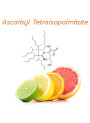
- Ascorbyl Tetraisopalmitate (Perfect-C™): This is an oil-soluble derivative known for its excellent stability and skin absorption. It's often well-tolerated and less likely to cause staining.
- Ascorbyl Glucoside (AA-2G): A water-soluble, stable derivative that is gradually converted to L-Ascorbic Acid in the skin.
- Ethyl Ascorbic Acid: Another highly stable, water-soluble derivative that is effective and less likely to oxidize on the skin surface.
If the temporary yellowing/darkening is bothersome, switching to a serum with one of these stable Vitamin C derivatives might be a better option for you.
Related Products Mentioned
Vitamin E (Tocopheryl Acetate)
Vitamin C E Ferulic
Safe-B3™ (Vitamin B3, Niacinamide)
Pure-Ferulic Acid™
Vitamin C (L-ascorbic acid) (Ultra-Fine)
Vitamin C (L-ascorbic acid) (Fine)