Temporary skin darkening from whitening serum (L-ascorbic acid, BHA)
Question
I am using a whitening serum containing 10% L-ascorbic acid and BHA. I have noticed that my skin temporarily darkens after sun exposure, even though I avoid direct sunlight. I have a history of light sensitivity. I am concerned that using oil-soluble Vitamin C (like Vitamin C Ester) might cause breakouts. Could you please explain why this temporary darkening occurs and suggest alternative whitening ingredients or formulations that can provide brightening benefits without causing photosensitivity or breakouts?
Answer
Addressing Temporary Skin Darkening from Whitening Serums
Thank you for sharing your experience. It sounds like you're dealing with photosensitivity, where your skin becomes temporarily darker after sun exposure, particularly when using acidic whitening agents like L-ascorbic acid (Vitamin C) and BHA.
Here's a summary of the issue and potential solutions based on the expert advice:
Why This Might Be Happening
- L-Ascorbic Acid (Vitamin C): While pure L-ascorbic acid is a powerful antioxidant and brightener, at high concentrations (like the 10% you used) and low pH, it can have an exfoliating effect. This exfoliation can make your skin more sensitive to the sun, leading to temporary darkening, especially if your skin is already prone to photosensitivity.
- BHA (Salicylic Acid): BHA is a known exfoliant. Exfoliating ingredients remove the top layer of skin cells, which can leave the skin more vulnerable to UV damage and increase photosensitivity. This is why BHA is often recommended for nighttime use.
- Skin Sensitivity: Given your history of light sensitivity, your skin may react more strongly to ingredients that increase photosensitivity compared to others.
- Overall Routine: The combination of ingredients in your full skincare routine, even those not directly aimed at whitening, can influence your skin barrier health and overall sensitivity.
Solutions and Alternative Ingredients
To avoid temporary darkening while still achieving whitening results, consider using alternative forms of Vitamin C or other non-acidic whitening agents:
- Stabilized Vitamin C Derivatives:
- Ascorbyl Glucoside (AA-2G): This is a stable, water-soluble Vitamin C derivative that is effective for whitening and anti-oxidant benefits. It works best at a higher pH (6.5-6.8) compared to L-ascorbic acid, making it less likely to cause exfoliation and photosensitivity. It is well-absorbed by the skin.
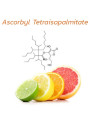
- Perfect-C™ (Ascorbyl Tetraisopalmitate): This is a highly stable, oil-soluble Vitamin C derivative. It is very effective for both whitening and anti-aging and is well-absorbed. It requires a pH of 5.0-5.5 in the formula.
- Non-Acidic Whitening Agent:
- Alpha Arbutin: This is a water-soluble ingredient that effectively reduces melanin production without the exfoliating properties of acids. It is considered a safe and effective alternative for skin brightening and works best at a pH of 3.5-6.5.
Addressing Concerns About Oil-Soluble Vitamin C
You mentioned concern about oil-soluble Vitamin C Ester causing breakouts. If you choose an oil-soluble Vitamin C like Perfect-C™, you can formulate it using non-comedogenic emollients instead of natural oils that might clog pores. Options like LipidSoft™ CC or LipidSoft™ B are good choices as they are light, non-comedogenic, and help the formula spread easily.
Important Considerations
- Sun Protection: Regardless of the whitening ingredients you use, consistent and adequate sun protection is crucial, especially for light-sensitive skin. Ensure you are using a broad-spectrum sunscreen with sufficient SPF and PA ratings and reapplying as needed, particularly when exposed to direct sunlight, even for short periods.
- Skin Barrier Health: Focus on maintaining a healthy skin barrier through moisturizing and avoiding excessive exfoliation. A strong skin barrier is less prone to irritation and photosensitivity.
- Ingredient Combinations: Be mindful when combining multiple active ingredients, especially whitening agents. Using too many actives or high concentrations can overwhelm the skin and increase sensitivity.
By switching to more stable and less acidic whitening ingredients and ensuring your base formula is suitable for your skin type, you should be able to achieve your whitening goals without experiencing temporary darkening after sun exposure.
Related Products Mentioned
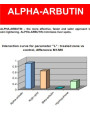
Alpha Arbutin (Switzerland)
Vitamin C (L-ascorbic acid) (Ultra-Fine)
Salicylic Acid (BHA, Pharma Grade)
LipidSoft™ CC (Cetyl Ethylhexanoate)