Texture Adjustment and Color Staining Issue in Cream/Lotion Formula
Question
How can I adjust my cream/lotion formula to achieve a thicker texture and prevent the red color, likely from Astaxanthin, from staining the skin upon application?
Answer
Formulation Improvement Advice
Based on your formula and the issues you're experiencing:
1. Texture (Lotion-like to Cream)
Your formula uses Satin Cream Maker™ at 2%. To achieve a thicker cream texture, you can try increasing the concentration of Satin Cream Maker™. The recommended usage rate is up to 3%, with 1-1.5% typically recommended for increasing viscosity. Increasing it from 2% towards 3% should help thicken the product.
Alternatively, increasing the total oil phase content in your formula (currently around 11% from Sunflower Oil, Squalane, and NanoShea™) up to the maximum recommended 25% for Satin Cream Maker™ could also contribute to a more viscous texture. However, increasing the emulsifier concentration is usually the primary method for thickening with this type of ingredient.
2. Red Color Issue
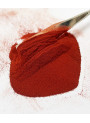
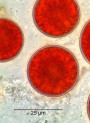
The red color in your product is most likely caused by the Astaxanthin (10% Algae Extract, Oil) at 1%. Astaxanthin is a naturally strong red-orange pigment. Since you are using the oil-soluble form, it may not be fully absorbing into the skin upon application, leaving a red tint on the surface.
To address this:
- Reduce the concentration of Astaxanthin: Using a lower percentage might reduce the intensity of the color.
- Consider using a water-dispersible form of Astaxanthin: A water-dispersible version, such as Astaxanthin (2.0% Algae Extract, Water Dispersed Powder), might disperse better in the formula and absorb more readily into the skin, reducing the surface staining effect.
The RG3-Active™ (Red Ginseng Extract) is described as a yellow to light brown liquid and is less likely to be the primary source of the strong red color you are observing.
Your formula also contains 8D Hyaluronic Acid, which is a gel-like ingredient that contributes to hydration and texture, but is not the primary emulsifier for creating a cream texture.
Related Products Mentioned

Satin Cream Maker™
8D Hyaluronic Acid
Astaxanthin (10% Algae Extract, Oil)