Thickeners for Serum Formulation
Question
How can I thicken a serum formulation? Can thickeners typically used for creams also be used, and what specific thickeners are recommended for serums to increase viscosity while maintaining a serum-like texture?
Answer
To thicken a serum base, you can add a thickener or rheology modifier. Regarding whether cream thickeners can be used, some thickeners are versatile and can be used in both serum and cream formulations. However, the key is the amount used and the specific type of thickener chosen to achieve a texture that remains serum-like, not too heavy or thick like a cream.
If you want to increase the viscosity of a serum while maintaining its serum characteristics, it's advisable to choose thickeners designed for light to medium textures or use cream thickeners at appropriate concentrations to achieve the desired viscosity.
Common thickeners used to increase serum viscosity (especially for water-based serums) include:
- Polysaccharide Group (e.g., Gums):
- Xanthan Gum: A popular natural thickener that provides a clear gel texture and effectively increases viscosity in water-based formulas. It's easy to use by dispersing in water or pre-dispersing in oil/glycerin to aid dissolution (e.g., Xanthan Gum).
- Cellulose Derivative Group:
- Hydroxyethyl Cellulose (HEC): Creates a clear gel texture and is not affected by electrolytes, making it suitable for formulas containing them. It typically requires heat for dissolution (e.g., Hydroxyethyl Cellulose (HEC)).
- Hydroxypropyl Methylcellulose (HPMC): Similar to HEC, it provides a clear gel texture, is not affected by electrolytes, and requires heat for dissolution (e.g., Hydroxypropyl Methylcellulose (HPMC)).
- Synthetic Polymer Group (e.g., Carbomer, Acrylates Copolymer):
- Carbomer: A widely used gel-forming agent that provides clarity, popular in gel and serum formulas. Various grades are available, some are easy to use without heat and offer better electrolyte tolerance (e.g., Carbomer U21).
- Polyacrylate Crosspolymer-6 (e.g., Sepimax Zen): A thickener with excellent tolerance to salt and pH, used to create a gel texture in the water phase (e.g., Sepimax Zen).
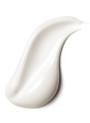
- Polyacrylamide & C13-14 Isoparaffin & Laureth-7 (e.g., SepGEL 305): A thickener and emulsifier that works without heat. It can be used to increase viscosity in the water phase but does not tolerate electrolytes. It provides a soft texture (e.g., SepGEL 305).
- Sodium Acrylate / Sodium Acryloyldimethyl Taurate Copolymer & Isohexadecane & Polysorbate 80 (e.g., CreamMaker EG): An easy-to-use cold process thickener and emulsifier that provides a supple gel texture, suitable for serums, creams, and lotions (e.g., CreamMaker EG).
The choice of thickener depends on several factors, such as other ingredients in your serum formula (presence of oils, extracts, or electrolytes), the pH of the formula, and the desired final texture. If you want a thicker serum that still feels light, choose a thickener that provides a clear gel texture and use it at an appropriate concentration.
Related Products Mentioned
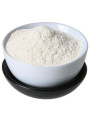
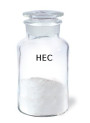
Hydroxyethyl Cellulose (HEC) (4500mPa.s)
SepGEL 305
Sepimax Zen