Tin Oxide and Silica: Functions and Substitutes for Silica
Question
What are Tin Oxide and Silica, and what substances can be used as substitutes for Silica?
Answer
Understanding Tin Oxide and Silica in Cosmetics
Tin Oxide
Tin Oxide is often used in cosmetic formulations, particularly in pigments like mica, to create shimmer and pearlescent effects. While we don't have a standalone Tin Oxide product, it's a common component in ingredients that provide sparkle and light reflection.
Silica
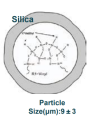
Silica is a versatile ingredient in cosmetics, known for its ability to absorb oil, provide a matte finish, improve texture (making products feel smooth and easy to spread), and offer a soft-focus effect that helps blur the appearance of fine lines and pores. Different types of silica are processed to enhance specific properties, such as high oil absorption (like MatteSilica types) or skin-blurring effects (like UltraBlur).
Substitutes for Silica
Several ingredients can be used to replace silica, depending on the specific function you need:
- For Oil Absorption and Mattifying:
- SelectSorb™ (PMMA): Offers high, selective oil absorption without drying the skin.
- Ricesorb ™ (Rice Starch): A natural option that absorbs oil and helps reduce stickiness.
- Kaolin (China Clay) / Clays: Natural minerals known for absorbing oil and impurities, often used in masks but also in powders.
- For Texture Enhancement (Smoothness/Slip) and Soft-Focus:
- Polymethylsilsesquioxane: Provides a soft, smooth feel and excellent soft-focus properties to blur imperfections.
- Nylon-12: Gives a creamy or powdery feel, improves spreadability, and offers a matte finish.
- Boron Nitride (e.g., WhiteMatte™, WhiteShine™): Adds slip, soft-focus, and can enhance brightness or translucence depending on the type.
- Sericite Powder: Offers softness, smoothness, and natural coverage with a matte finish.
Choosing the best substitute depends on the desired final properties of your formulation.
Related Products Mentioned
MatteSilica 5™ (5 Micron)
WhiteMatte3™ (Boron Nitride 3micron)
SelectSorb™ (High Oil Absorption PMMA)
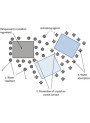
Anti-Caking Silica
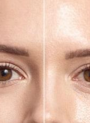
UltraBlur™ (Skin Blurring Silica)