Tingling Sensation in Cream Formulation with Coenzyme Q10
Asked by: pee166
On: February 13, 2015
Product Type:
Cosmetics
Answered
Question
My cream formulation is causing a temporary tingling/stinging sensation. My previous batch, which contained DMAE 20%, did not cause this.
The new batch includes the following ingredients:
- Coenzyme Q10 5%
- Vitamin B3 (Safe-B3™) 3%
- Pep®-Coll
- Royal Jelly
- L-Tyrosine
- Double Hyaluron Liquid
- Calendula Extract
- LipidSoft
- Phenoxyethanol
- Butylene Glycol
- Light Cream Maker
What could be causing this tingling sensation?
Answer
Analysis of Tingling Sensation in Cream Formula
Based on the ingredients you added to the new batch of cream and the feedback received, the temporary tingling or stinging sensation you experienced is most likely caused by Coenzyme Q10 at a concentration of 5%.
Here's why:
- Coenzyme Q10 (5%): This was a new ingredient in this batch. As suggested by others, Coenzyme Q10 can cause a temporary warming or tingling sensation for some individuals, particularly at this concentration.
- DMAE (20%): You mentioned your previous batch, which did not cause this specific tingling sensation, also contained DMAE at 20%. While DMAE at high concentrations can sometimes cause a tightening feel or irritation for sensitive skin, your prior experience suggests it is not the cause of this particular tingling feeling you are now experiencing.
- Vitamin B3 (Niacinamide) (3%): At a concentration of 3%, Vitamin B3 (specifically the Safe-B3™ type) is generally well-tolerated and is unlikely to cause significant tingling or flushing. Higher concentrations (typically above 5% for standard types) are more commonly associated with warmth or flushing.
- Other Ingredients: Ingredients like Pep®-Coll, Royal Jelly, L-Tyrosine, Double Hyaluron Liquid, Calendula Extract, LipidSoft, Phenoxyethanol, Butylene Glycol, and Light Cream Maker are not typically associated with causing a tingling sensation.
If you wish to avoid this sensation, reducing or removing Coenzyme Q10 from your formula is the most probable solution, as you have already considered. The cream is likely still safe to use and can be applied to other areas of the body if you prefer not to use it on your face.
Related Products Mentioned
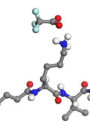
Pep®-Coll (Palmitoyl tripeptide-5)
Cosmetics
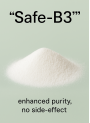
Safe-B3™ (Vitamin B3, Niacinamide)
Cosmetics

Calendula Extract (Water Soluble)
Cosmetics
Light Cream Maker™
Cosmetics
Phenoxyethanol (Extra Pure)
Cosmetics
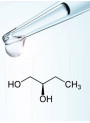
Butylene Glycol
Cosmetics
Double Hyaluron Liquid
Cosmetics
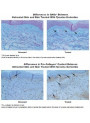
Wrinkle-Fill™ (Acetyl-Tyrosine)
Cosmetics
DMAE (SkinTight MD™) Liquid
Cosmetics

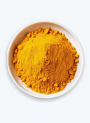
Coenzyme Q10 (98%, Powder, Oil-Soluble)
Cosmetics