Tone-Up Cream Formulation Issues: Skin Darkening and Dryness
Asked by: sirawan.gs
On: March 09, 2024
Product Type:
Cosmetics
Answered
Question
Hello, I would like to inquire about formulating a tone-up cream. I used the following ingredients:
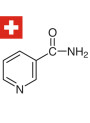
Titanium Dioxide 250nm WaterProof™ (Dimethicone Treated)4%Cyclopentasiloxane (Low-Odor Cyclomethicone)5%LipidSoft™ CC5%Glycerin 99.5%5%Propylene Glycol5%Viscolam p1002%Safe-B3™ (Vitamin B3, Niacinamide, Switzerland)2%Ethoxydiglycol (e.q. Transcutol)1%Phenoxy ethanol0.5%Fragrance1%DI Waterto 100%
After using the cream, my skin appears darker and feels dry. What could be the cause? Please provide some advice.
Answer
Tone-Up Cream Formulation Issues: Darkening and Dryness
Based on the ingredients you've used in your tone-up cream formula, the issues of skin darkening and dryness likely stem from a few key factors:
Potential Causes:
Poor Titanium Dioxide Dispersion and Emulsion Instability:
- Your formula contains Titanium Dioxide, which provides the tone-up effect. If this pigment is not evenly dispersed throughout the cream, it can settle or clump, leading to an uneven, grayish, or darker appearance on the skin.
- The formula includes both water-based ingredients (like Glycerin, Propylene Glycol, and DI Water) and oil/silicone-based ingredients (like Cyclopentasiloxane, LipidSoft CC, and the Dimethicone-treated Titanium Dioxide). To combine these effectively into a stable cream (an emulsion), a suitable emulsifier is essential. Your list includes Viscolam P100, which is primarily a thickener, not a primary emulsifier. Without a proper emulsifier and correct emulsification technique, the formula can become unstable and separate, causing the Titanium Dioxide to disperse poorly and leading to the darkening issue. Instability can also affect the delivery of moisturizing ingredients.
Skin Dryness:
- Cyclopentasiloxane is a volatile silicone that evaporates quickly, providing a lightweight, non-greasy feel. While this is desirable for texture, if the formula lacks sufficient emollients or humectants to compensate for the rapid evaporation, the skin can feel dry.
- Insufficient Emollients: While LipidSoft CC is an emollient, 5% might not be enough to provide adequate moisturization and a protective barrier for your skin type, especially in a formula with a volatile silicone.
- Potential Irritation: Fragrance (1%) and even Niacinamide (Vitamin B3) at 2% can potentially cause mild irritation in some individuals, particularly those with sensitive skin. Irritation can compromise the skin barrier, leading to increased moisture loss and dryness.
Recommendations for Improvement:
Ensure Proper Titanium Dioxide Dispersion and Emulsion Stability:
- Add a Suitable Emulsifier: Incorporate a primary emulsifier compatible with both your water and oil/silicone phases. This is crucial for creating a stable emulsion that keeps the Titanium Dioxide evenly suspended.
- Improve Mixing Technique: Disperse the Titanium Dioxide thoroughly in the oil/silicone phase using high-shear mixing before combining it with the water phase. Use high-shear mixing again when combining the phases to form the emulsion. Proper mixing ensures fine pigment dispersion and a stable cream structure.
Address Skin Dryness:
- Increase Emollient Content: Consider increasing the percentage of LipidSoft CC or adding another emollient to provide more skin conditioning and a better barrier function.
- Adjust Cyclopentasiloxane: If dryness is significant, you might consider slightly reducing the percentage of Cyclopentasiloxane or combining it with a less volatile silicone or other non-silicone emollients.
- Evaluate Fragrance and Niacinamide: If you suspect irritation is contributing to dryness, try reducing the fragrance level or using a hypoallergenic fragrance. While Niacinamide is beneficial, a small percentage of individuals can experience flushing or mild irritation at 2%; you could test a lower concentration if irritation is a concern.
By addressing the emulsion stability and pigment dispersion issues, and potentially boosting the moisturizing components while considering potential irritants, you should be able to create a more effective and comfortable tone-up cream.
Related Products Mentioned
Ethoxydiglycol (e.q. Transcutol)
Cosmetics
Propylene Glycol (USP)
Cosmetics
Phenoxyethanol (Extra Pure)
Cosmetics
LipidSoft™ CC (Cetyl Ethylhexanoate)
Cosmetics