Toner Formulation Feedback and Ingredient Stability
Asked by: sikharee
On: July 08, 2019
Product Type:
Cosmetics
Answered
Question
I want to make two types of toner for combination-oily skin, one for morning and one for night. The toner will be used after cleansing and before applying other creams.
Morning Toner: Aims to reduce pores and cleanse.
- Witch Hazel 75%
- Safe B3 3%
- White Egg Enzyme 5%
- Japanese Cedar 1%
- Water 16%
Evening Toner: Aims for exfoliation, cleansing, and acne reduction.
- Pitera 75%
- Complex Salicylic 5%
- Lactobionic Acid 3%
- Zinc PCA 1%
- Water 16%
Questions regarding both formulas:
- Do I need to add DMI and Mild Preserved?
- Are there too many ingredients for a toner?
- For Formula 2, with two acids, will it be too strong for daily use?
Separate question:
- For peptides that require cold storage, is there any way to make them stable when stored at normal room temperature (Thailand's climate)?
Answer
Feedback on Your Toner Formulations
Thank you for sharing your two toner formulations for combination-oily skin! Here is some feedback and answers to your questions:
Formula 1: Morning Toner (Pore Reduction, Cleansing)
- Witch Hazel Distilled Alcohol-Free 75%
- Safe B3 (Niacinamide) 3%
- White Egg Enzyme (Lysozyme) 5%
- Japanese Cedar (Cryptomeria Japonica Bud Extract) 1%
- Water 16%
Comments:
- This formula includes good ingredients for your stated goals and skin type.
- Witch Hazel is known for its astringent properties, Niacinamide helps with pores and oil control, Lysozyme has antibacterial properties, and Japanese Cedar extract supports the skin barrier.
- 75% Witch Hazel is quite high, but being alcohol-free is beneficial as it reduces the potential for irritation compared to traditional Witch Hazel.
- 5% Lysozyme might be slightly higher than typical usage rates; it's advisable to double-check the supplier's recommended usage percentage for this specific ingredient.
Formula 2: Evening Toner (Exfoliation, Cleansing, Acne Reduction)
- Pitera (Galactomyces Ferment Filtrate) 75%
- Complex Salicylic (Salicylic Acid) 5%
- Lactobionic Acid 3%
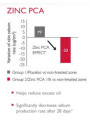
- Zinc PCA 1%
- Water 16%
Comments:
- This formula targets exfoliation and acne.
- Pitera is known for skin conditioning, Salicylic Acid (BHA) and Lactobionic Acid (PHA) are effective exfoliants for oily/acne-prone skin, and Zinc PCA helps control oil and bacteria.
- 75% Pitera is a very high percentage; it's typically used at lower concentrations as an active ingredient or part of the base.
- Caution: 5% Salicylic Acid is a very high concentration for a daily toner. This could potentially cause significant irritation, dryness, peeling, or increased sun sensitivity, especially when combined with another acid like Lactobionic Acid. The combination of two acids also requires careful consideration of the formula's pH.
Additional Questions:
Should I add DMI and Mild Preserved?
- Mild Preserved (Ethylhexylglycerin/Caprylyl Glycol): Yes, a preservative system is essential. Toners are water-based and highly susceptible to microbial growth. Adding a suitable preservative blend like Mild Preserved at the recommended usage rate is crucial for product safety and shelf life.
- DMI (Dimethyl Isosorbide): DMI is a solvent and penetration enhancer. It's not strictly necessary but can be added if needed to help dissolve ingredients or improve the delivery of actives. Its inclusion depends on the solubility of your ingredients and desired skin feel.
Are there too many ingredients for a toner?
- The number of ingredients isn't the primary concern, but rather the concentration and combination of active ingredients. Both formulas have several actives, which is common. However, in Formula 2, the high concentration of Salicylic Acid (5%) is the main point to consider regarding potential irritation, not just the number of ingredients.
Is Formula 2 with two acids too strong for daily use?
- Likely yes, it could be too strong for daily use for many people. A 5% Salicylic Acid concentration is high for a toner, and using it daily, especially combined with Lactobionic Acid, increases the risk of irritation, dryness, and sensitivity.
- Recommendation: Consider reducing the Salicylic Acid concentration or using this toner less frequently (e.g., 2-3 times per week) alternating with a gentler toner, or using it only on specific problem areas rather than the entire face.
Question about Peptides Requiring Refrigeration:
- Peptides or active ingredients that require cold storage (like in a refrigerator) are typically sensitive to heat, light, or oxidation at normal temperatures, especially in a warm climate like Thailand.
- There is generally no simple way to make a peptide that requires cold storage stable at high room temperatures without degrading its quality. Storing them at room temperature will likely cause them to lose efficacy more quickly than if stored correctly.
- The supplier specifies cold storage because it's necessary to maintain the ingredient's stability and effectiveness.
- While some formulation techniques like encapsulation might offer slight improvements in stability, they usually do not negate the need for cold storage if the manufacturer specifies it. You cannot simply add an ingredient to make a heat-sensitive peptide stable at room temperature.
I hope this feedback is helpful for refining your formulations! Let me know if you have any more questions.
Related Products Mentioned

Safe-B3™ (Vitamin B3, Niacinamide)
Cosmetics

Zinc PCA
Cosmetics
White Egg Enzyme (Acnezyme™)
Cosmetics

Salicylic Acid EZ™ (ชนิดละลายน้ำ)
Cosmetics
Mild Preserved Eco™ (Preservative-Free)
Cosmetics


Lactobionic Acid
Cosmetics