Toner Formulation for Moisture and Oil Control with Mint and Niacinamide
Asked by: pawi6727
On: June 11, 2024
Product Type:
Cosmetics
Answered
Question
I want to make a toner for moisture and oil control. Can I use fresh mint leaves or peppermint oil? Should I add Niacinamide (B3), and what other ingredients are recommended? Is my proposed formula (94% mint extract, 5% B3, 1% preservative) suitable?
Answer
Herbal Toner Formulation and Recommended Ingredients
Hello! I understand you're looking to create a toner to help with moisture and oil control. It's a great idea to use beneficial ingredients for your skin.
Using Fresh Mint Leaves or Peppermint Oil
- Fresh Mint Leaves: Using fresh mint leaves for extraction at home carries a high risk regarding hygiene and shelf life. Extracts from fresh plants that haven't undergone proper processing spoil very quickly and can be contaminated with microorganisms, which can be harmful to the skin.
- Peppermint Oil: Peppermint essential oil is highly concentrated. It should be used in very small amounts (typically well under 1%) in a toner formulation, as it can be irritating, especially on sensitive skin. Peppermint oil primarily provides fragrance and a cooling sensation but doesn't offer significant moisturizing or oil control benefits. If you wish to use it, you should use cosmetic-grade essential oil and properly solubilize it in the water base.
- Recommendation: For safety and efficacy, it's better to choose cosmetic-grade mint extracts or Peppermint Water (hydrosol) specifically produced for cosmetic use. These are more stable and safer.
Your Proposed Formula
- Mint Extract 94%: As mentioned above, using such a high percentage of a potentially unpreserved homemade extract is very risky from a microbial standpoint. Even cosmetic-grade hydrosols are typically used at lower percentages or require a robust preservation system.
- B3 (Niacinamide) 5%: This is an excellent choice for your goals! Niacinamide at 5% is highly effective in helping to reduce excess oil on the skin, strengthen the skin barrier (which helps retain moisture better), reduce redness, and improve skin texture. It's a very suitable ingredient for combination to oily skin that still needs hydration.
- Mild Preserved Eco 1%: A preservative is absolutely essential in any water-based formula, especially when natural ingredients are included. Mild Preserved Eco is effective in inhibiting microbial growth. You should use it according to the supplier's recommended rate for your specific formula composition.
Other Ingredients for Moisture and Oil Control
Besides Niacinamide, there are other interesting ingredients you can consider adding to your formula to make the toner more effective for your needs:
- Hyaluronic Acid: A highly effective humectant (substance that attracts moisture to the skin). It helps the skin feel plump and hydrated. There are different molecular weights available, offering moisturizing benefits at different skin depths.
- Glycerin: A good basic humectant that helps draw water into the skin. Using a small amount (around 1-5%) is usually sufficient.
- Panthenol (Vitamin B5): Helps soothe irritated skin, reduces redness, and strengthens the skin barrier, leading to healthier and more hydrated skin.
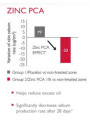
- Zinc PCA: An ingredient that effectively helps control excess oil on the skin. It also has properties that help reduce inflammation and promote skin healing, making it suitable for acne-prone or very oily skin.
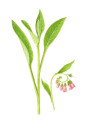
- Allantoin: Helps reduce irritation, soothes the skin, and contributes to smoother skin texture.
Suggested Formula Adjustment (Example)
Instead of using a high percentage of fresh mint extract, consider adjusting your formula as follows:
- Peppermint Water or Mint Luteolin™ (Cosmetic-Grade Mint Extract): Use as part of the water base (e.g., 10-30% of the formula), or use purified water as the main base and add a cosmetic-grade mint extract at the recommended usage rate (e.g., 1-3%).
- Safe-B3™ (Vitamin B3, Niacinamide): Use 5% as you intended.
- Hyaluronic Acid (Standard Molecule): Use about 0.1-0.5% to boost hydration.
- Glycerin (USP/Food Grade): Use about 2-3% to help with moisture.
- Zinc PCA: If you want to focus on oil control, you can add about 0.5-1.0% Zinc PCA.
- Allantoin: If you want to soothe the skin, you can add about 0.1-0.5% Allantoin.
- PreB5™ (Pantolactone, Pantoyl Lactone): You can add about 0.5-1.0% PreB5™ to enhance moisture and skin conditioning.
- Mild Preserved Eco™ (Preservative-Free): Use according to the supplier's recommended rate (usually 1.0-1.5%) to ensure the formula is stable and safe.
- Purified Water: Adjust the remaining amount of purified water to reach 100%.
Important Notes:
- Ensure all ingredients are compatible in the formula and dissolve well in the water base.
- You should measure and adjust the pH of the toner to be suitable for the skin (approximately pH 5-6) and compatible with the ingredients used (e.g., Niacinamide works best in the pH range of 4.0-7.0).
- When making cosmetics at home, maintaining strict hygiene with all equipment and containers is crucial.
I hope this information is helpful for developing your toner formula!
Related Products Mentioned

Safe-B3™ (Vitamin B3, Niacinamide)
Cosmetics
Allantoin
Cosmetics
Glycerin (USP/Food Grade)
Cosmetics
Zinc PCA
Cosmetics
Mild Preserved Eco™ (Preservative-Free)
Cosmetics
Peppermint Water
Cosmetics
Mint Luteolin™ (Mentha Piperita Extract)
Cosmetics
PreB5™ (Pantolactone, Pantoyl Lactone)
Cosmetics