Toner Formulation for Oily, Acne-Prone Skin: Mixing, Effectiveness, and Stability
Question
I am developing a toner for my son's oily, acne-prone skin with post-acne marks. The formula includes:
- Water Phase: Water, Copper Peptide, Capryloyl Salicylic Acid, Vitamin B3, N-Acetyl Glucosamine, Aloe Vera Extract, Zinc PCA, Licorice, Phenoxyethanol
- Oil Phase (added to water phase): Activated Resorcinol, LipidSoft (2%), FloraSolve (4%)
My mixing procedure is to prepare the oil phase (dissolve Activated Resorcinol in LipidSoft then add FloraSolve) and the water phase separately, then combine the oil phase into the water phase.
- Is this mixing procedure correct?
- Will this formula be effective for reducing acne, controlling oil, and helping with post-acne marks?
- Are there any potential issues with ingredient compatibility, stability, or texture (e.g., stickiness) with this combination, especially considering the oil-soluble ingredients in a water base?
Answer
Toner Formulation Feedback
Thank you for sharing your toner formulation for your son's oily, acne-prone skin. You've included a good range of ingredients targeting various concerns like acne, oiliness, redness, and scarring.
Let's address your questions:
1. Is the mixing procedure correct?
The method you described, separating the oil-soluble ingredients (Activated Resorcinol, LipidSoft, FloraSolve) and water-soluble ingredients (Copper Peptide, Capryloyl Salicylic Acid, Vitamin B3, N-Acetyl Glucosamine, Aloe Vera Extract, Zinc PCA, Licorice, Phenoxyethanol, Water) into two phases and then combining the oil phase into the water phase, is a standard and generally correct approach for formulating products containing ingredients with different solubilities. This helps ensure proper dispersion or emulsification of the ingredients.
2. Is the formula effective for reducing acne and controlling oil?
Yes, the formula contains several ingredients known to be effective for these concerns:
- Capryloyl Salicylic Acid (LHA): This is a lipo-hydroxy acid known for its exfoliating properties, which helps to unclog pores and improve acne.
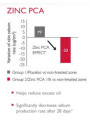
- Zinc PCA: Effective in reducing sebum production and has anti-bacterial properties beneficial for acne.
- Vitamin B3 (Niacinamide): A versatile ingredient that helps regulate oil production, reduce inflammation and redness associated with acne, and improve the skin barrier.
- Licorice Extract (specifically Licochalcone A): Known for its anti-inflammatory properties, helping to reduce redness and irritation, and can also help control oiliness.
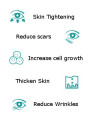
Additionally, ingredients like Copper Peptide are included for their potential benefits in skin repair and reducing the appearance of acne scars, while N-Acetyl Glucosamine and Activated Resorcinol target dark spots and uneven skin tone left by acne.
Important Formulation Considerations:
The feedback you received regarding ingredient compatibility and texture is very relevant. Here's a breakdown based on the properties of the ingredients:
- pH Compatibility: Capryloyl Salicylic Acid and Activated Resorcinol function best at slightly acidic pH levels (around 4.5-5.5 for Activated Resorcinol, LHA is close to skin's natural pH ~5.5 but is dissolved in oil). However, ingredients like Copper Peptide require a pH range of 4.5-7.4 for stability and should be added at temperatures below 40°C. Vitamin B3 and N-Acetyl Glucosamine are generally stable in a wider pH range (3-8 and 3-7 respectively), while Zinc PCA prefers 4-6. Combining ingredients with different optimal pH ranges can affect the stability and efficacy of some actives over time. It is crucial to measure and adjust the final pH of your toner to a range that balances the needs of the key ingredients, ideally between 4.5 and 6.5, and perform stability testing.
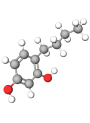
- Texture: Activated Resorcinol needs to be dissolved in oil (like LipidSoft) and incorporated using a solubilizer (like FloraSolve). While the percentages of LipidSoft (2%) and FloraSolve (4%) are relatively low, their presence, especially combined with the oil-soluble Activated Resorcinol, could potentially contribute to a slightly heavier or stickier feel than a purely water-based toner, which might not be ideal for very oily skin. As suggested, testing the final product's texture is the best way to determine its feel on the skin.
In conclusion, your formula contains a powerful combination of ingredients for managing oily and acne-prone skin and addressing post-acne concerns. The mixing method is appropriate. However, paying close attention to the final pH for ingredient stability and evaluating the texture on oily skin are important steps to optimize the formulation.
Related Products Mentioned
Safe-B3™ (Vitamin B3, Niacinamide)
GlucoBright™ (Acetyl Glucosamine)
Phenoxyethanol (Extra Pure)